Introduction: More Than Just a Game
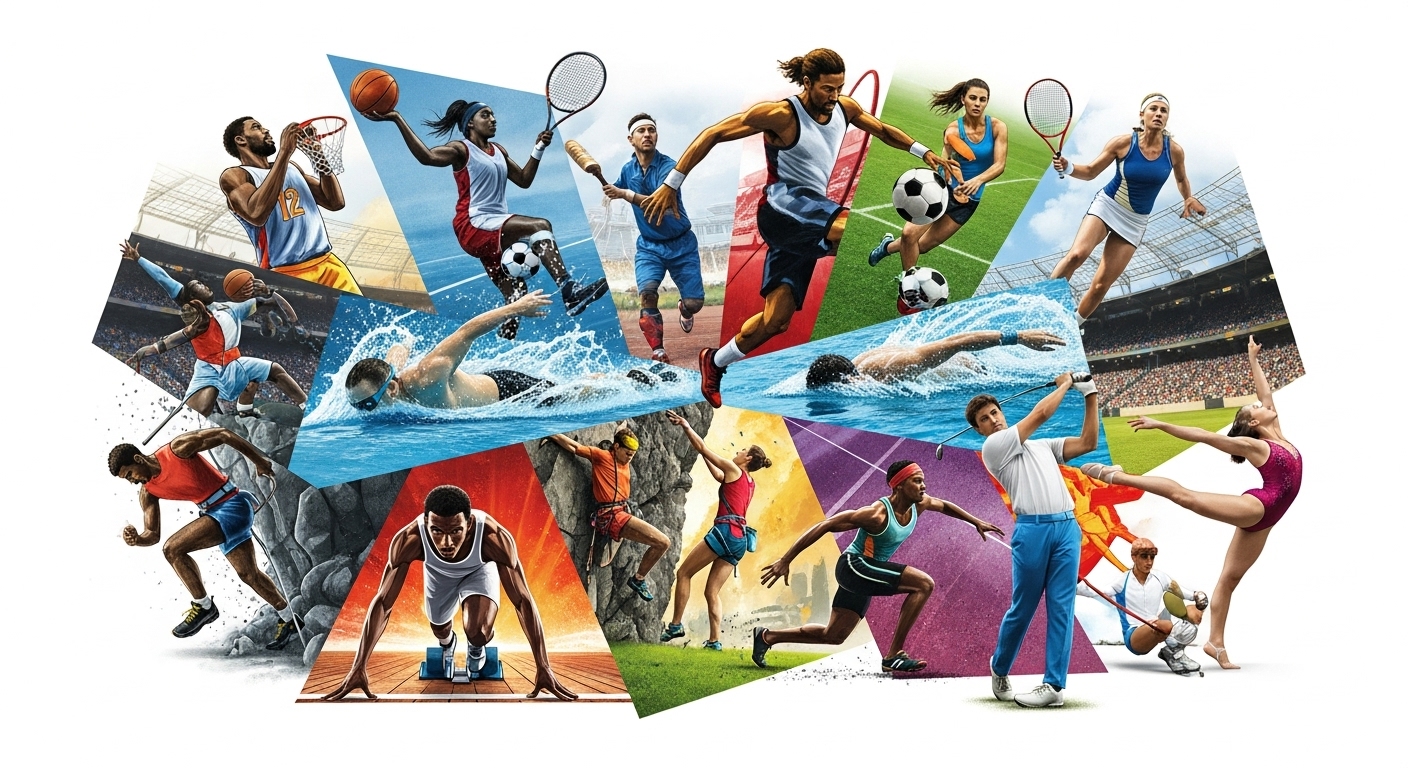
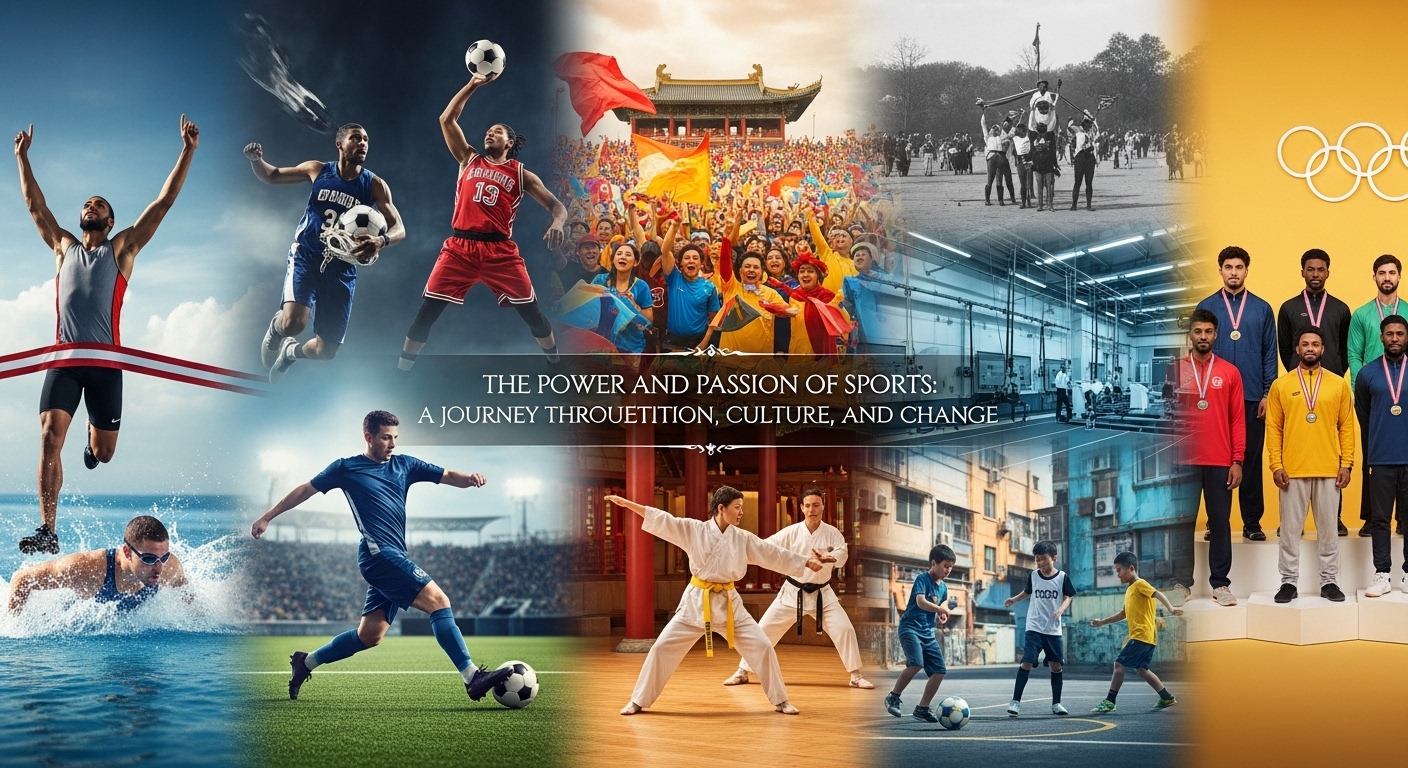
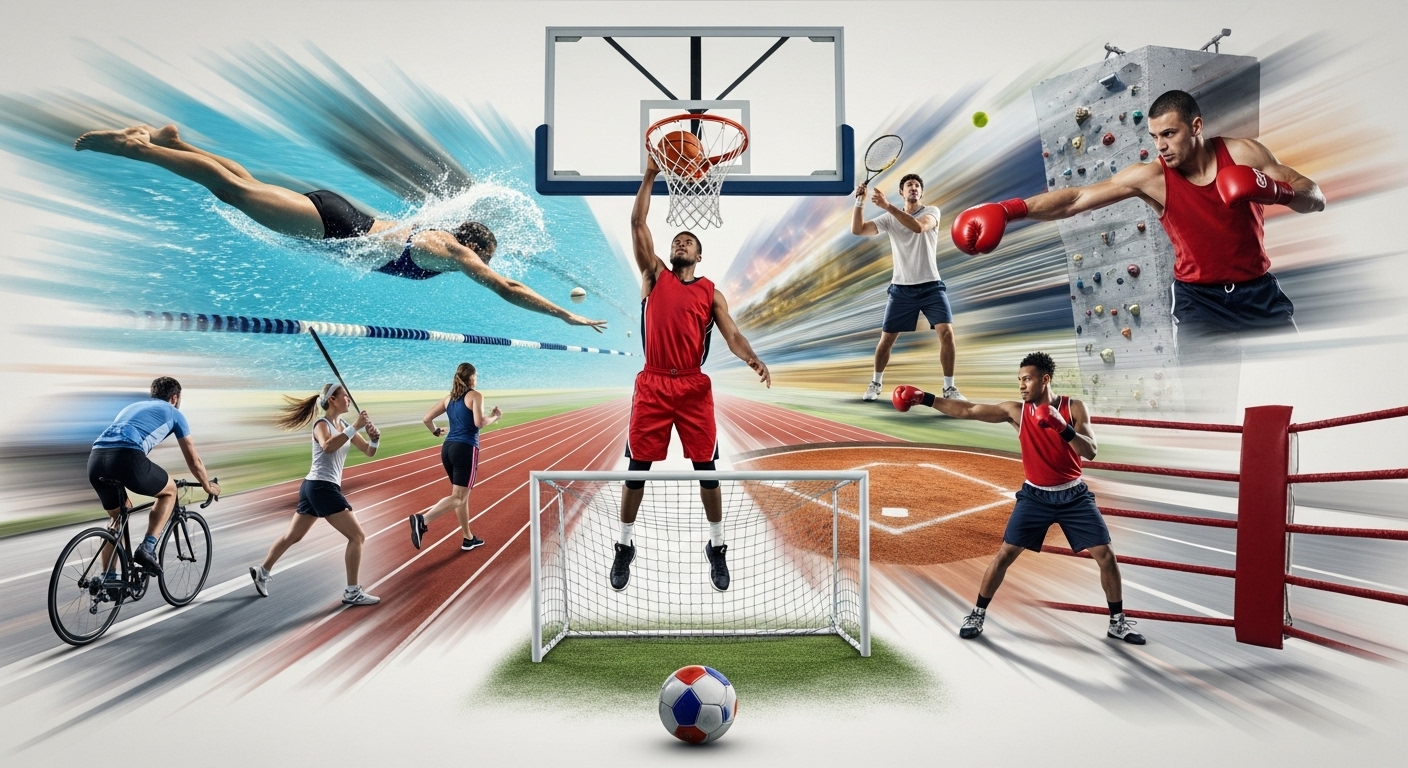
Sports are far more than just physical activities; they are an expression of human spirit, culture, and ambition. From ancient civilizations to the modern digital age, sports have united communities, inspired generations, and shaped nations. Whether played on dusty fields or grand stadiums, sports have always reflected society’s values — teamwork, perseverance, discipline, and the pursuit of excellence.
Across centuries, sports have evolved from simple recreational activities to global phenomena influencing economies, politics, education, and even technology. The love for sports transcends boundaries, languages, and backgrounds. It creates heroes, builds memories, and fosters a sense of belonging that few other things can match.
This blog explores the journey of sports — from their ancient roots to their modern-day significance — and how they continue to shape our world socially, culturally, and personally.
The Origins of Sports: From Survival to Celebration
The earliest forms of sports were often linked to survival skills. Running, wrestling, archery, and spear throwing were not just games but necessary skills for hunting and warfare. Archaeological evidence from ancient Egypt, Greece, China, and the Indus Valley shows that organized physical contests were held as early as 4000 BCE.
In ancient Greece, sports became a central part of culture, symbolizing honor, strength, and unity. The Olympic Games, first recorded in 776 BCE, celebrated the athleticism and spirit of competition. These games were more than entertainment; they were religious and cultural festivals honoring the gods.
Similarly, ancient civilizations like the Mayans and Aztecs had ball games that were deeply spiritual and social. The Chinese developed martial arts and activities like cuju, a precursor to modern football. Every culture infused its own values into sport, making it a reflection of its social structure and ideals.
The Evolution of Modern Sports
The Industrial Revolution in the 18th and 19th centuries brought a major transformation in how sports were played and organized. With urbanization and more leisure time, sports shifted from spontaneous village pastimes to structured competitions with rules and governing bodies.
Britain played a key role in formalizing many sports we recognize today — football, cricket, rugby, tennis, and golf all have roots in British history. The establishment of clubs, associations, and codified rules gave birth to the modern sports system.
The late 19th century also saw the revival of the Olympic Games, led by Baron Pierre de Coubertin in 1896, marking a new era of international sports. The 20th century, fueled by mass media, took sports global — radio, television, and later the internet transformed local events into worldwide spectacles.
Sports and Society: A Reflection of Humanity
Sports are a mirror to society. They capture its triumphs, tensions, and transformations. Throughout history, sports have been a stage for political statements, social change, and cultural pride.
Sports as a Unifier
During moments of crisis or conflict, sports often emerge as a force for unity. The 1995 Rugby World Cup in South Africa, for instance, played a role in healing a divided nation after apartheid. When South Africa won under the leadership of Nelson Mandela’s support, it symbolized a new chapter of reconciliation.
Similarly, the Olympics have often been used as symbols of peace and global friendship, bringing together athletes from nations at odds politically. Sports teach tolerance, respect, and the value of diversity.
Sports as a Catalyst for Social Change
Sports have also been powerful tools for breaking social barriers. Jackie Robinson breaking the color barrier in Major League Baseball in 1947 was not just a sporting achievement but a step forward for racial equality in America. The activism of athletes like Muhammad Ali, Billie Jean King, and more recently, Colin Kaepernick, has highlighted how sports can challenge injustice and inspire movements.
Gender and Sports
The evolution of women’s participation in sports is another remarkable story. For centuries, women were excluded from most athletic activities. The early 20th century saw pioneers like Alice Milliat push for women’s inclusion in international competitions. Today, women athletes like Serena Williams, Megan Rapinoe, and Simone Biles are global icons, showing that talent and determination know no gender.
The rise of professional leagues, media coverage, and growing recognition of women’s sports marks progress, though challenges remain in terms of pay equity and representation.
The Economic Power of Sports
Sports have grown into one of the most lucrative industries in the world. What began as local community games has become a trillion-dollar global business encompassing media rights, sponsorships, merchandise, and tourism.
Major events like the FIFA World Cup, the Olympic Games, and the Super Bowl generate billions in revenue and attract global audiences in the billions. Clubs and franchises have become brands in themselves, with loyal fan bases that span continents.
Sports also drive local economies. Stadium construction, sports tourism, and associated industries create jobs and infrastructure development. Cities like Barcelona, Tokyo, and Los Angeles have leveraged major sporting events to rejuvenate urban landscapes and boost global reputation.
However, the economic side of sports also raises questions about commercialization, corruption, and the loss of the original spirit of the game. Balancing profit with integrity remains an ongoing challenge.
The Role of Media in Shaping Sports Culture
The relationship between sports and media is symbiotic. Media coverage amplifies the reach and appeal of sports, while sports provide compelling content that drives viewership and advertising.
The 20th century marked the rise of sports broadcasting, with radio bringing live commentary to millions for the first time. Television took this further, making global icons out of athletes like Pelé, Michael Jordan, and Usain Bolt. The ability to witness extraordinary athletic feats in real-time connected fans emotionally to teams and players.
In the digital era, social media has revolutionized the sports experience. Platforms like Instagram, X, and TikTok allow fans direct access to athletes’ lives, breaking down traditional barriers. Streaming services have also transformed how people watch sports, offering personalized, on-demand content.
Media has also influenced narratives — from hero-making to controversy — showing that storytelling is as central to sports as the action itself.
The Psychological Side of Sports
Sports are not just physical; they are deeply psychological. Mental toughness, focus, and emotional regulation often separate great athletes from good ones.
The pressure to perform, the fear of failure, and the weight of expectations can take a toll on athletes. In recent years, discussions about mental health in sports have gained prominence. Athletes like Naomi Osaka and Michael Phelps have opened up about their struggles, sparking important conversations about well-being and balance.
Sports psychology now plays a critical role in athlete development. Techniques such as visualization, mindfulness, and mental resilience training are integrated into coaching programs. The understanding that “mind matters as much as muscle” marks a shift toward holistic athlete care.
Sports and Technology: A Game-Changer
Technology has transformed every aspect of sports — from training and performance analysis to fan engagement and officiating.
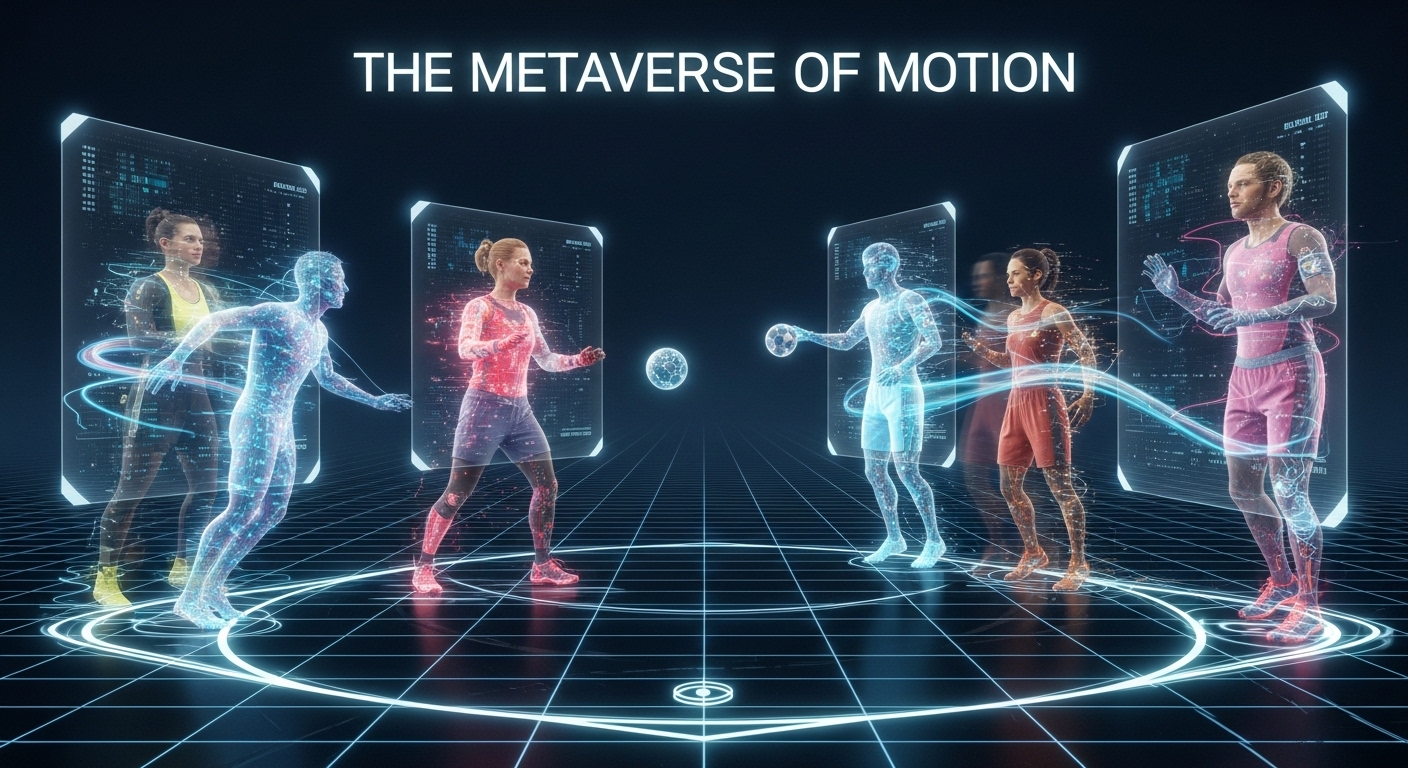
Wearable devices, motion sensors, and data analytics allow coaches to monitor performance with precision. Video analysis helps refine technique, while AI tools predict injuries and suggest recovery methods. Virtual reality is used for immersive training experiences, enabling athletes to practice decision-making in simulated environments.
On the spectator side, technology has enhanced engagement. Augmented reality experiences, interactive stats, and fantasy leagues make fans feel more connected. Even officiating has improved with systems like VAR in football, Hawk-Eye in tennis, and DRS in cricket ensuring fairer outcomes.
Yet, this rise of technology also sparks debates about fairness, especially with performance-enhancing equipment or data-driven strategies. The challenge lies in maintaining the human element that defines the beauty of sport.
The Globalization of Sports
In the 21st century, sports have become truly global. A Premier League match in England can have fans from Nigeria to India cheering in unison. The NBA has players from over 40 countries, and football clubs have training academies across continents.
Globalization has enriched sports by blending cultures and styles. It has also opened new markets and opportunities. Countries like China, India, and Saudi Arabia are investing heavily in sports infrastructure and events, signaling a shift in the global sports map.
However, globalization also brings cultural challenges — the risk of homogenization and the dominance of wealthier leagues overshadowing local sports traditions. Preserving cultural diversity in sports remains vital as it grows globally.
The Educational and Health Value of Sports
At its core, sports are one of the most powerful educational tools available. They teach lessons that no textbook can — teamwork, leadership, time management, and emotional control.
For children and youth, participation in sports builds confidence and discipline. It encourages physical fitness in an age dominated by screens and sedentary lifestyles. Schools and universities around the world recognize sports as essential for holistic development.
Health-wise, sports combat the rise of lifestyle diseases such as obesity, diabetes, and heart issues. Regular physical activity promotes not just physical health but mental well-being, reducing stress and anxiety.
Community sports programs also foster inclusion, giving people from all backgrounds a sense of belonging and purpose.
Challenges in the Modern Sports World
While sports inspire billions, they are not without flaws. Modern sports face ethical, social, and environmental challenges that demand collective responsibility.
Corruption and Doping
Scandals involving match-fixing, bribery, and doping have tainted several sports. The pressure to win and the lure of money often lead individuals and organizations astray. The fight for transparency and fair play is ongoing, with regulatory bodies tightening controls and increasing testing measures.
Inequality and Accessibility
While elite athletes earn millions, grassroots sports in many regions struggle for funding. Economic and geographic disparities limit opportunities for talented individuals. The need to make sports more inclusive — regardless of gender, income, or ability — remains a global goal.
Environmental Concerns
Large sporting events often have a huge environmental footprint. From construction to waste generation, sustainability has become a major concern. Thankfully, the shift toward “green games” and eco-friendly venues shows growing awareness within the industry.
The Future of Sports: Innovation and Inclusion
The future of sports is being shaped by innovation, inclusion, and adaptability. As technology advances, new forms of sports — such as e-sports — have emerged, redefining what it means to compete.
E-sports, once dismissed as mere gaming, are now billion-dollar industries with professional players, leagues, and millions of viewers. This digital expansion raises questions about how we define physical activity and skill in a modern context.
At the same time, adaptive sports for people with disabilities are gaining recognition. The Paralympic Games have shown the world that strength and determination know no physical limits. Inclusive design and accessibility are becoming central themes in sports development.
Youth engagement will also determine the future. With shorter attention spans and changing entertainment habits, sports must evolve to remain relevant. Interactive formats, mixed-gender tournaments, and community-driven leagues could shape the next era.
The Emotional Core: Why We Love Sports
At the heart of it all, sports captivate us because they represent life in its purest form — struggle, triumph, heartbreak, and hope. Every match, race, or contest is a story of effort and emotion. It’s about individuals and teams pushing beyond limits, overcoming adversity, and inspiring others.
When fans cheer, cry, or celebrate, it’s not just about the score; it’s about connection. Sports unite people across borders, religions, and ideologies. They remind us that competition can coexist with respect, and that greatness is achieved not by defeating others but by becoming better versions of ourselves.
Conclusion: The Eternal Game
Sports are timeless. They evolve, but their essence never changes. Whether it’s a child kicking a ball in a village field or a professional athlete on the world stage, the spirit remains the same — passion, perseverance, and the pursuit of excellence.
In a world often divided by differences, sports offer common ground. They celebrate human potential and the universal joy of movement and mastery. As technology, society, and culture continue to evolve, one truth will remain constant — sports will always be more than games. They will continue to inspire, unite, and define what it means to be human.