Introduction
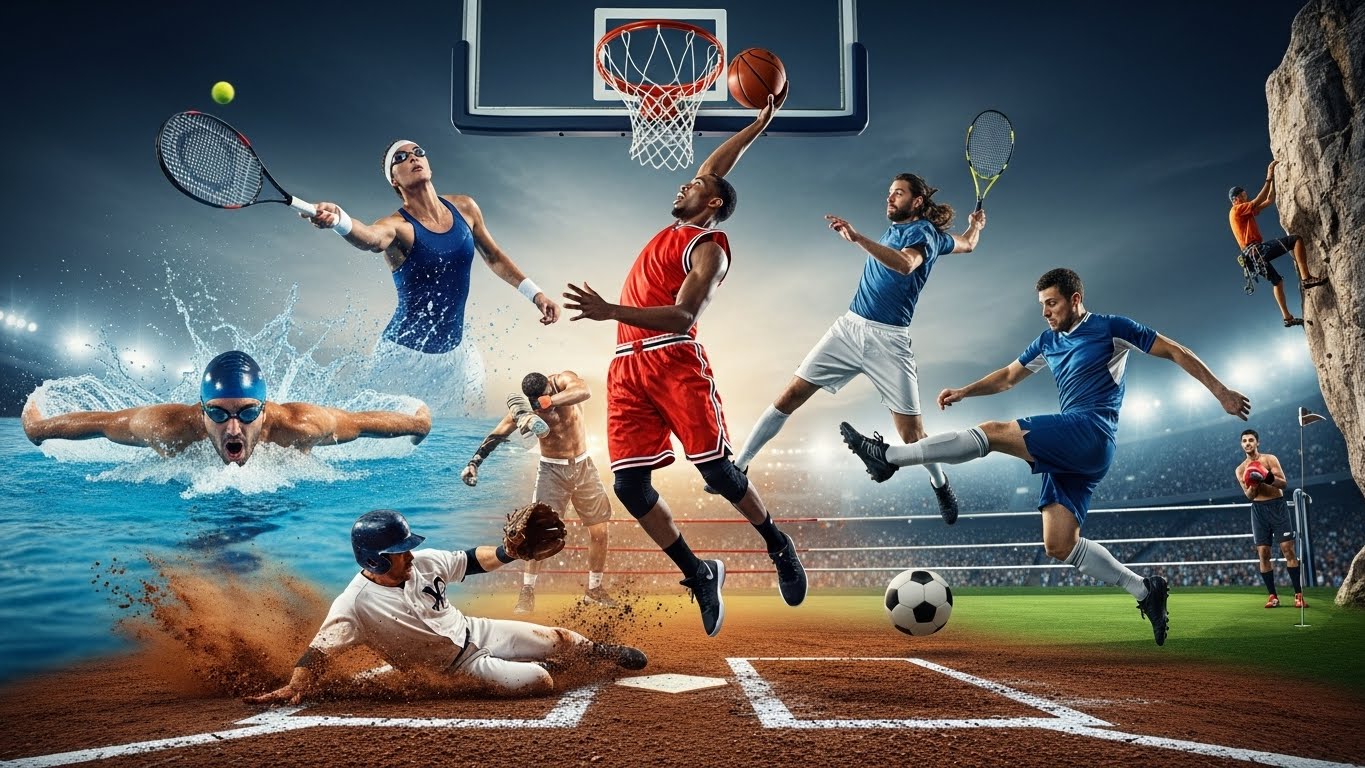
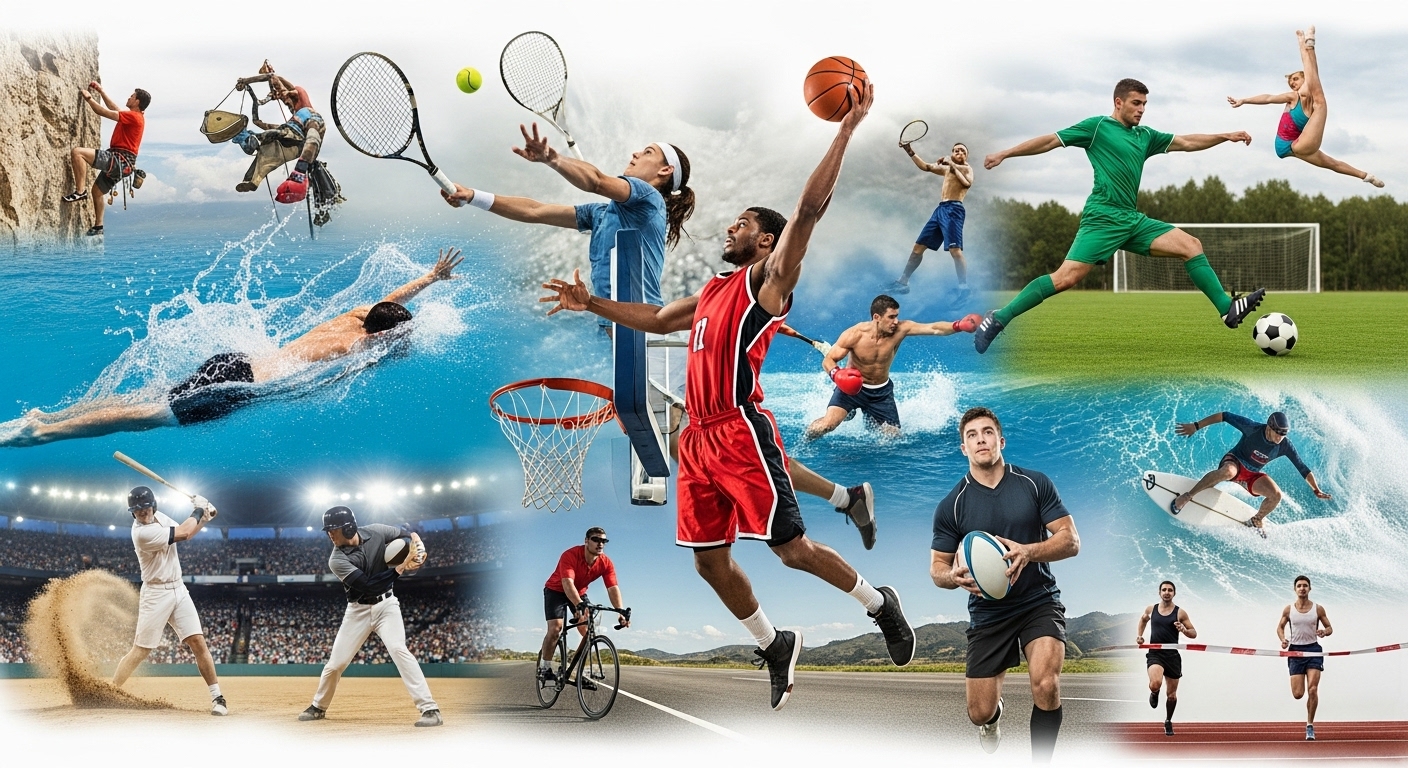
Sports have always been more than just a game. They represent the rhythm of life, the harmony between body and mind, and the expression of human excellence. From the dusty playgrounds of villages to the massive arenas filled with cheering crowds, sports bring joy, excitement, and a sense of purpose to millions. They shape personalities, build character, and unite people across borders and beliefs. In every kick of a football, every swing of a bat, and every finish line crossed, there lies a story of hard work, dreams, and determination. Sports are not just physical contests; they are powerful life lessons that define human spirit and resilience.
The Origins of Sports: From Survival to Celebration
The roots of sports date back to ancient civilizations where physical activities were often tied to survival and rituals. Early humans ran, hunted, and wrestled to test their endurance and strength. Ancient Egypt held competitions involving archery and swimming, while Greece celebrated athletic excellence through the Olympic Games, honoring both gods and human achievement. In China, martial arts evolved as both a form of self-defense and discipline. Over centuries, these practices transformed from necessities into organized sports, reflecting culture, pride, and passion. What began as a way to survive gradually became a way to celebrate life.
Sports as a Tool for Physical Fitness
The most visible benefit of sports is physical fitness. Regular participation in sports strengthens muscles, improves cardiovascular health, and enhances overall body coordination. Activities such as football, cricket, basketball, and athletics keep the body active and agile. Sports also boost metabolism, regulate weight, and help in maintaining strong bones and a healthy immune system. In a world dominated by technology and sedentary habits, sports serve as the perfect antidote to inactivity. They encourage movement, outdoor participation, and a balanced lifestyle, all of which are essential for long-term physical health.
Building Mental Strength Through Sports
Sports train not only the body but also the mind. Every athlete, whether professional or amateur, learns to face challenges, overcome setbacks, and stay mentally tough. Competition teaches focus, patience, and emotional control. When a player loses a match but returns stronger in the next, that resilience becomes a reflection of mental power. The sense of accomplishment that comes from hard work boosts self-confidence and self-esteem. Furthermore, playing sports releases endorphins, the natural mood-lifting hormones, which help reduce stress and anxiety. Sports are a mental therapy that promotes positivity, emotional balance, and inner strength.
The Power of Teamwork and Collaboration
Team sports like football, volleyball, and hockey demonstrate the power of unity and collaboration. They teach that individual talent means little without cooperation and coordination. Every pass, every assist, and every defensive move in a team reflects trust and understanding. Players learn to communicate, share responsibility, and support one another, both in victory and defeat. These experiences extend beyond the field and into real life, where teamwork is essential for success in any endeavor. Sports remind us that true achievement is not measured by individual glory but by collective effort.
Discipline: The Foundation of Success in Sports
No athlete achieves greatness without discipline. The strict routines, early morning practices, balanced diets, and constant repetition of drills all demand commitment and focus. Sports teach time management, self-control, and perseverance. Discipline helps athletes remain consistent and focused on long-term goals even when motivation fades. It also builds a sense of accountability—athletes learn to take responsibility for both their performance and behavior. The discipline learned through sports often shapes successful individuals in all areas of life, from academics to professional careers.
Sports and Education: A Perfect Partnership
Education and sports together create a complete learning experience. While education nurtures the intellect, sports develop personality, leadership, and physical endurance. Schools that emphasize sports encourage students to develop teamwork, creativity, and decision-making abilities. Students who play sports often display better concentration and perform well academically due to improved focus and mental agility. Moreover, sports scholarships provide opportunities for talented youth to pursue higher education and careers. The combination of knowledge and athletic discipline builds balanced, confident, and capable individuals ready to take on the world.
The Role of Women in Sports: Breaking Boundaries
Women in sports have broken stereotypes and changed perceptions worldwide. From track and field champions to football stars, female athletes have proven that strength and determination have no gender. The rise of women in sports symbolizes progress, equality, and empowerment. Their achievements inspire millions of young girls to dream fearlessly. Overcoming barriers such as discrimination and lack of resources, women have shown that sports can be a platform for social change. Their participation not only enriches the world of athletics but also fosters a more inclusive and equitable society.
The Spirit of Competition and Fair Play
Competition is the soul of sports. It pushes athletes to give their best, discover their potential, and set new records. However, true sportsmanship lies in playing with fairness, respect, and humility. Winning and losing are both parts of the game, and handling each with grace is the mark of a true sportsperson. Fair play promotes honesty, mutual respect, and ethical behavior, not just in sports but in all aspects of life. The real victory in sports is not only about scoring goals or winning medals but about developing integrity and moral strength.
Sports as a Bridge Between Cultures
Sports have the unique ability to unite people from different nations, languages, and beliefs. Major international events such as the Olympics and World Cups demonstrate the power of global unity through competition. Athletes become ambassadors of peace and understanding, promoting values of respect and friendship. Even local sports bring communities together, encouraging inclusivity and cooperation. Sports transcend barriers of race, religion, and politics, reminding humanity that despite differences, we all share the same passion for excellence and joy.
Technology and the Modern Evolution of Sports
Technology has completely transformed the sports landscape. Advanced equipment, data analytics, and smart wearables help athletes train with precision and prevent injuries. Instant replays and digital refereeing ensure fair decisions. Fans can now experience live games from any corner of the world through digital platforms. Artificial intelligence and virtual reality are even being used to simulate real-game conditions for training. This blend of technology and athleticism has elevated performance levels and made sports more exciting, inclusive, and accessible to global audiences.
The Economic and Social Impact of Sports
Sports contribute significantly to the economy by generating employment, tourism, and media revenue. Large-scale events bring countries economic boosts through sponsorships and broadcasting. On a local level, sports programs and academies create jobs and inspire community participation. Socially, sports serve as a tool for empowerment and inclusion. They provide opportunities for underprivileged youth to build careers, reduce crime rates, and foster positive social behavior. Sports also strengthen community relationships by promoting volunteerism and shared purpose.
The Role of Sports in Promoting Health and Well-being
In today’s world, where lifestyle diseases and mental stress are on the rise, sports are a natural remedy for both physical and mental well-being. Regular engagement in sports reduces risks of obesity, hypertension, and heart disease. It also promotes better sleep and energy levels. For the mind, sports help develop mindfulness, concentration, and emotional stability. Beyond competitive sports, activities like yoga, running, and cycling are popular choices for maintaining health. Sports remind us that true happiness begins with a healthy body and an active mind.
Sports as a Catalyst for Social Change
Sports have the power to transform societies. Athletes have often used their platforms to speak out against injustice, inequality, and discrimination. Sports promote inclusivity by bringing people together regardless of background or ability. They also encourage peace in areas affected by conflict by creating shared experiences of joy and pride. Programs that use sports to educate and empower youth have shown remarkable success in developing leadership and reducing violence. Through sports, humanity can move closer to a world where cooperation triumphs over division.
The Future of Sports: Innovation, Inclusion, and Sustainability
The future of sports looks bright with rapid innovation and greater inclusivity. Advancements in technology, data science, and sports medicine are pushing human limits. E-sports and virtual competitions are creating new arenas for participation. More importantly, inclusivity is shaping the future of athletics. Adaptive sports are providing opportunities for differently-abled athletes to showcase their talent. Sustainability is also becoming a key focus, with organizations adopting eco-friendly practices for sports events. The sports of the future will not only be about competition but also about harmony with people and the planet.
Conclusion
Sports are the heartbeat of humanity. They inspire strength, courage, and unity. Every athlete, from a child running in a schoolyard to a professional competing on the world stage, embodies the spirit of perseverance and passion. Sports teach us to dream big, to respect others, and to never give up. They remind us that success is not just about victory but about effort, discipline, and heart. In an ever-changing world, sports will continue to be a universal language that unites people and inspires hope. The endless spirit of sports will forever live on—not just in stadiums, but in every soul that strives for greatness.