Introduction
Sport has been an integral part of human civilization for centuries. From ancient competitions in Olympia to modern global tournaments, sports have not only entertained but also inspired, united, and challenged individuals and societies. Today, sports are more than just games—they are vehicles for physical development, mental strength, social connection, and cultural identity. This blog explores the multifaceted impact of sport, its evolution, its cultural significance, and why it remains a vital force in our daily lives.
The Evolution of Sport
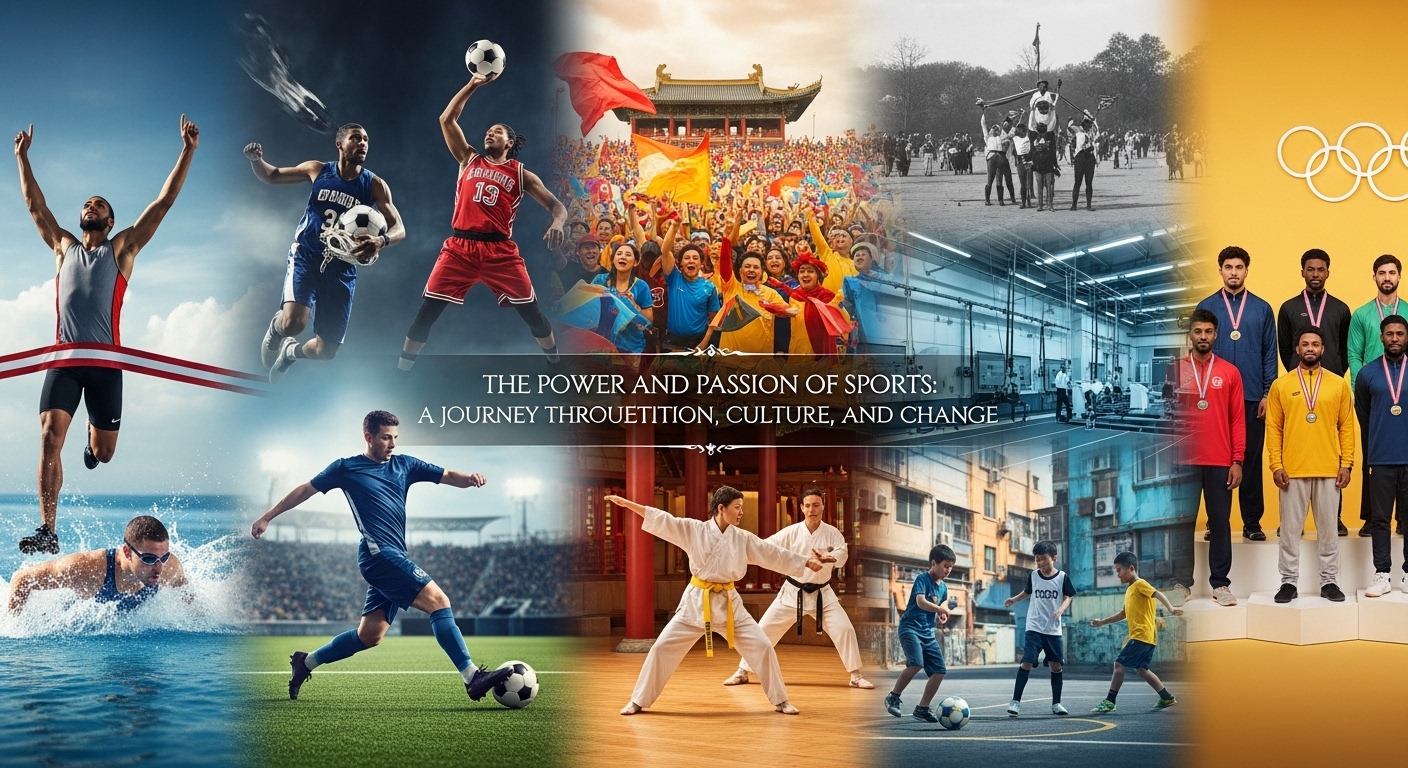
Sport has a rich and varied history, reflecting the values and priorities of different societies. Ancient civilizations, including the Greeks, Romans, and Egyptians, celebrated physical prowess through organized competitions. Events like the Olympic Games showcased strength, skill, and endurance, laying the foundation for modern sporting culture.
Over time, sport evolved into a structured and codified system. Rules, standardized equipment, and official organizations emerged, transforming recreational activities into professional competitions. Today, sports span a vast array of disciplines, from traditional games like football and cricket to niche activities such as skateboarding and esports-adjacent physical competitions. This evolution demonstrates sport’s adaptability and its enduring appeal across cultures and generations.
Physical Benefits of Sport
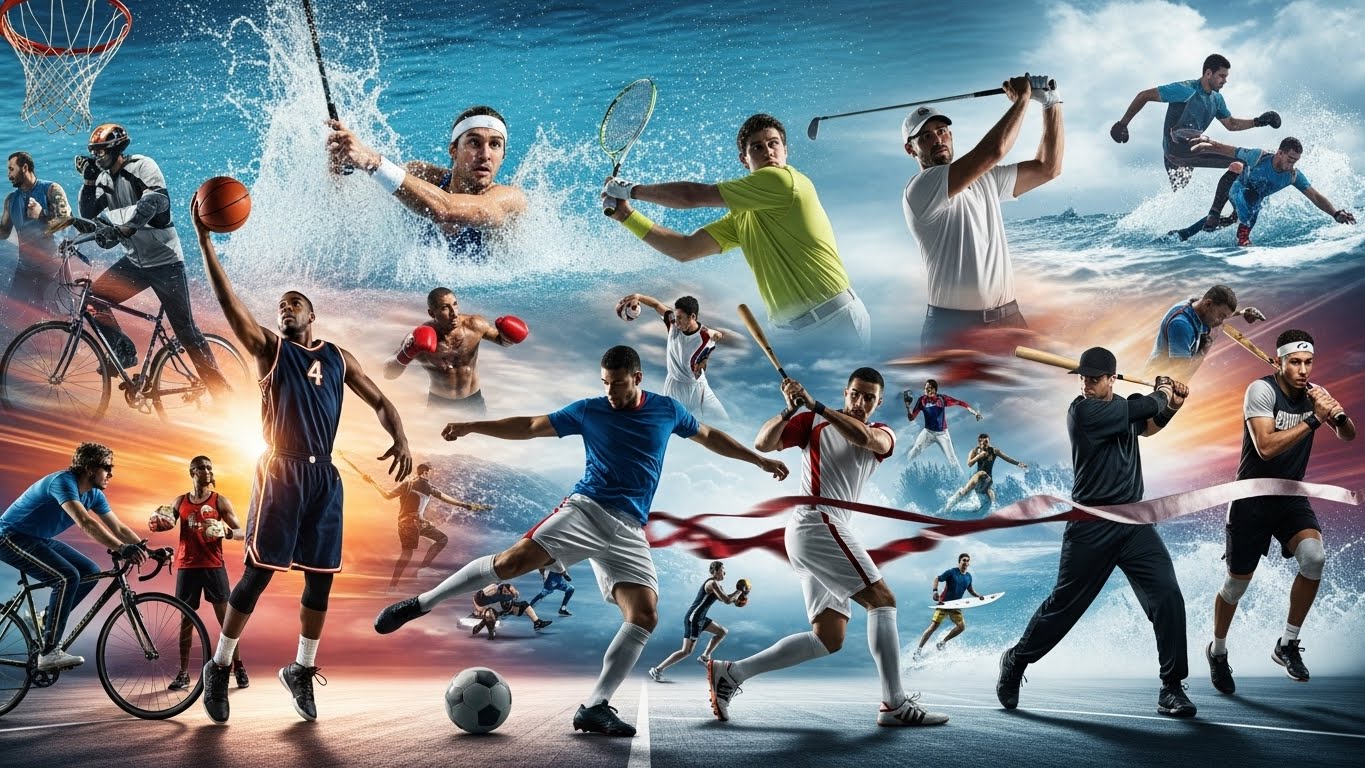
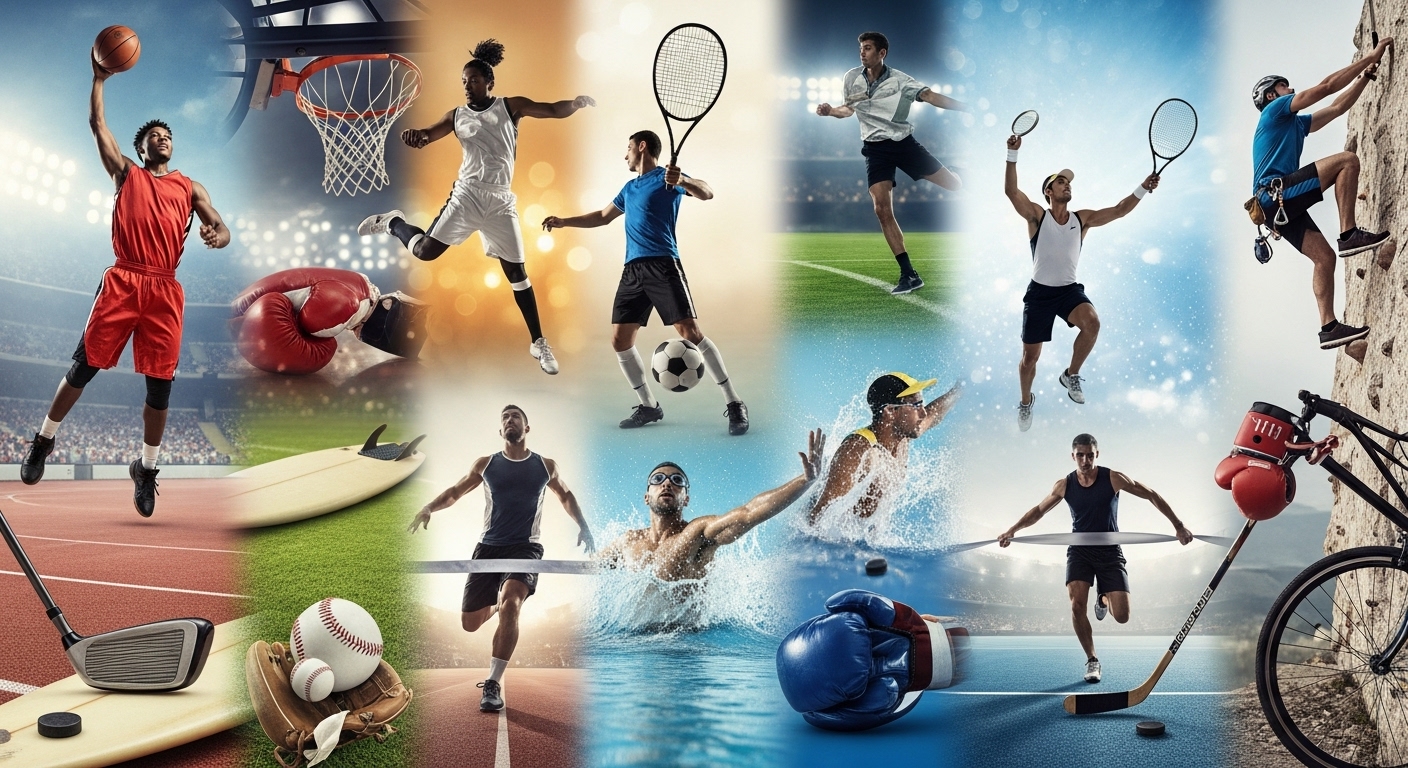
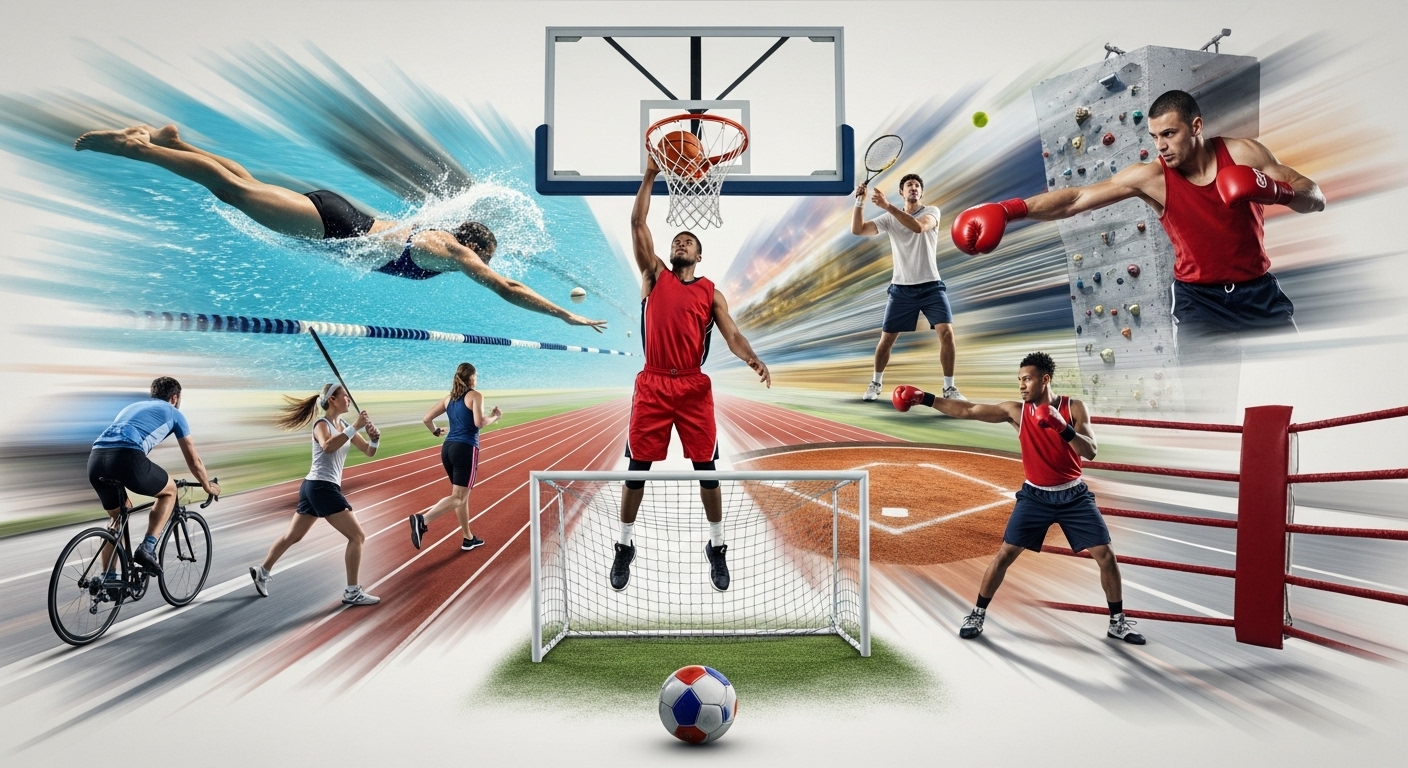
Engaging in sport provides numerous physical benefits. Regular participation enhances cardiovascular health, strengthens muscles, improves flexibility, and promotes overall fitness. Sports like swimming, running, and cycling are excellent for building endurance, while activities such as yoga, gymnastics, and martial arts focus on balance, coordination, and agility.
Beyond physical health, sports contribute to the development of motor skills, reaction time, and body awareness. Children and adolescents benefit particularly, as early engagement in athletics establishes healthy habits and builds a foundation for lifelong fitness. Professional athletes exemplify peak human performance, inspiring others to pursue physical excellence and maintain active lifestyles.
Mental and Emotional Benefits of Sport
Sports are not only beneficial for the body but also for the mind. Physical activity stimulates the release of endorphins, which reduce stress, improve mood, and enhance overall mental well-being. Participation in sports also fosters resilience, discipline, and focus—qualities that extend beyond the playing field into everyday life.
Team sports, in particular, encourage social interaction, empathy, and emotional intelligence. Players learn to navigate challenges, manage setbacks, and celebrate successes collectively. Sports also provide an outlet for self-expression and a sense of achievement, reinforcing confidence and self-esteem. Mental strength cultivated through sport often translates into personal and professional success.
The Role of Teamwork and Leadership
One of the most powerful aspects of sport is its ability to teach teamwork and leadership. Team-based sports such as basketball, football, and hockey require collaboration, communication, and trust among players. Athletes must understand their roles, coordinate strategies, and work together to achieve common goals.
Leadership skills are developed both on and off the field. Captains and senior players guide, motivate, and mentor teammates, fostering a culture of accountability and mutual support. These experiences cultivate skills that are transferable to professional and social environments, highlighting the broader value of sports beyond competition.
Cultural and Social Significance of Sport
Sport plays a vital role in shaping cultures and communities. National pride and identity are often tied to athletic achievements, as seen during international events like the Olympics, World Cup, and regional championships. Victories inspire collective joy, while defeats offer lessons in resilience and sportsmanship.
Beyond national identity, sport brings people together across social and cultural divides. Stadiums, arenas, and sports fields become spaces of shared experience, where fans and participants unite through a common passion. Local leagues, recreational clubs, and school competitions foster community engagement and provide opportunities for social inclusion.
Sports as Entertainment
Sport is a major source of entertainment worldwide. Spectators enjoy the thrill of live matches, the excitement of close contests, and the drama of unexpected outcomes. Television broadcasts, digital streaming, and social media coverage have amplified the reach of sporting events, allowing millions to engage with their favorite teams and athletes in real-time.
Sports entertainment also fuels a wide-ranging industry, including merchandise, sponsorships, media production, and tourism. Athletes have become celebrities and role models, inspiring fans with their dedication, performance, and personal stories. The entertainment value of sports lies not only in the competition itself but also in the narratives, rivalries, and emotional connections they generate.
Youth and Sports Development
Youth engagement in sports is crucial for individual and societal growth. Early participation teaches discipline, time management, and goal-setting. Young athletes develop physical coordination, tactical understanding, and confidence through structured training and competition.
Schools, community programs, and sports academies play a significant role in nurturing talent. They provide access to resources, coaching, and mentorship, allowing children to explore their potential and cultivate a lifelong appreciation for physical activity. Encouraging youth participation in sports also promotes health, social skills, and a sense of belonging.
Sports and Education
Sports and education are deeply intertwined. Many schools and universities integrate athletics into their curricula, emphasizing the importance of balancing academic and physical development. Scholarships and competitive programs provide pathways for students to excel both academically and athletically, offering opportunities for higher education and career advancement.
Incorporating sports into education teaches critical life skills such as discipline, perseverance, and teamwork. It also encourages holistic development, recognizing that intellectual growth and physical well-being are interconnected. Student-athletes often emerge as leaders, advocates, and ambassadors, demonstrating the transformative power of sports in shaping character and opportunity.
Economic Impact of Sport
Sport is a significant driver of the global economy. Professional leagues, tournaments, and recreational activities generate billions of dollars annually. Revenue streams include ticket sales, broadcasting rights, sponsorships, merchandise, and tourism. Major events such as the Olympics and World Cup stimulate economic growth, attract international visitors, and create employment opportunities.
Beyond professional sports, the fitness and recreational industry thrives through gyms, sports equipment, training programs, and community initiatives. The economic footprint of sports demonstrates its importance not only as a form of recreation but also as a driver of societal development and opportunity.
Innovation and Technology in Sports
Technology has transformed how sports are played, coached, and consumed. Video analysis, wearable devices, and performance tracking systems allow athletes to optimize training and enhance performance. Innovations such as instant replay, goal-line technology, and analytics improve fairness, strategy, and engagement in professional competitions.
Digital platforms and social media have revolutionized fan interaction, providing access to behind-the-scenes content, live updates, and interactive experiences. Esports, virtual competitions, and immersive technologies are expanding the definition of sports, creating new opportunities for engagement and innovation.
Challenges in Sports
Despite its benefits, sports face challenges that require attention. Injuries, overtraining, and burnout are common among athletes, necessitating proper coaching, medical support, and recovery protocols. Issues such as doping, corruption, and match-fixing threaten the integrity of competitions and require strict regulation and ethical oversight.
Social challenges, including inequality, discrimination, and lack of access to resources, limit opportunities for participation in some communities. Addressing these challenges is critical to ensuring that sport remains inclusive, fair, and a positive force for individuals and society.
The Future of Sport
The future of sport promises continued innovation, inclusivity, and global reach. Emerging technologies, such as virtual reality and AI-driven analytics, will enhance training, fan engagement, and competition. Sports are increasingly embracing sustainability, social responsibility, and community development, highlighting their role in addressing broader societal challenges.
Globalization and digital connectivity will continue to expand the influence of sport, allowing fans and athletes from diverse backgrounds to connect and participate. The evolving landscape of sports reflects not only physical competition but also cultural expression, technological advancement, and social impact.
Conclusion
Sport is a powerful force that shapes individuals, communities, and cultures. It promotes physical health, mental well-being, teamwork, and leadership while fostering social connection, cultural pride, and entertainment. From local leagues to international tournaments, sports inspire passion, resilience, and unity.
As society continues to evolve, sports will remain a vital part of human life, offering opportunities for growth, innovation, and connection. Whether as a participant, spectator, or supporter, engaging with sports enriches our lives, strengthens communities, and celebrates the extraordinary potential of human performance.