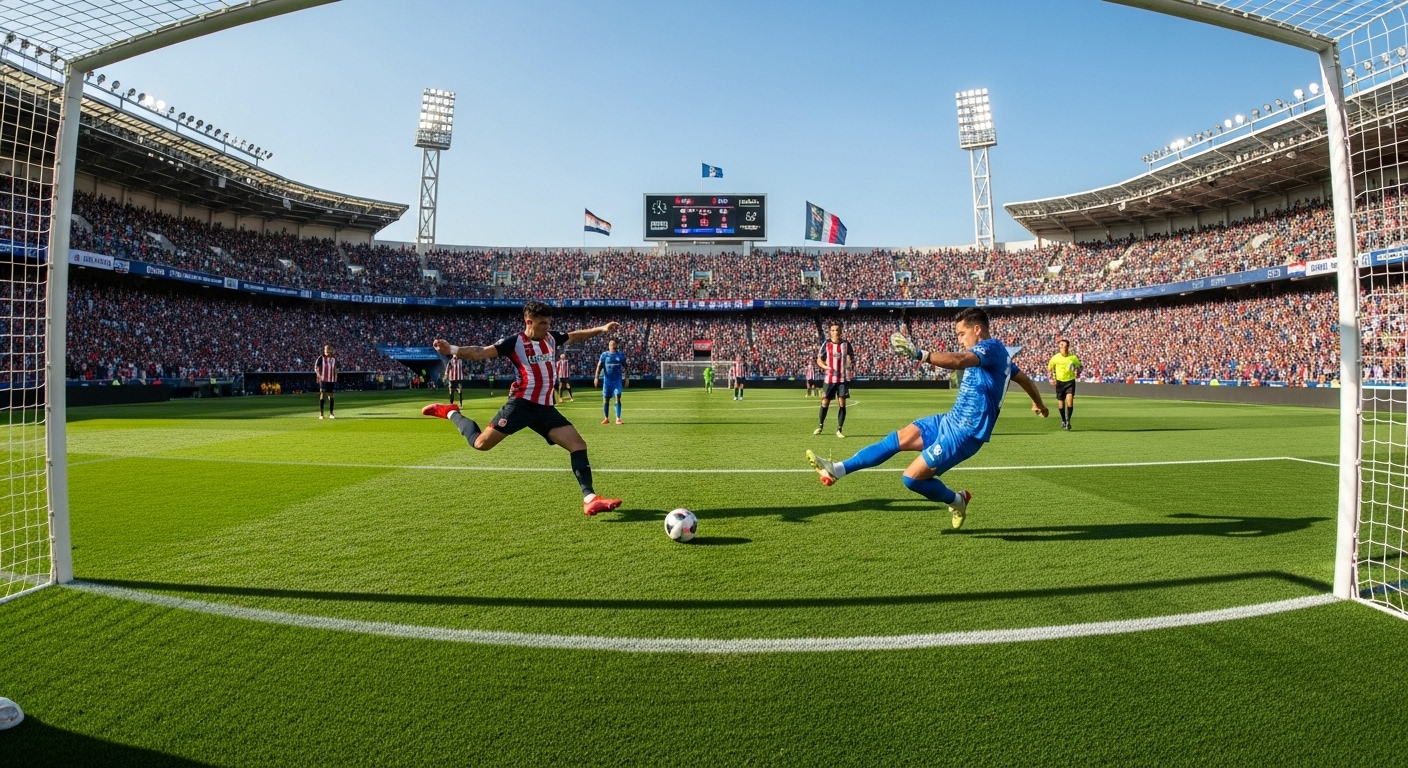
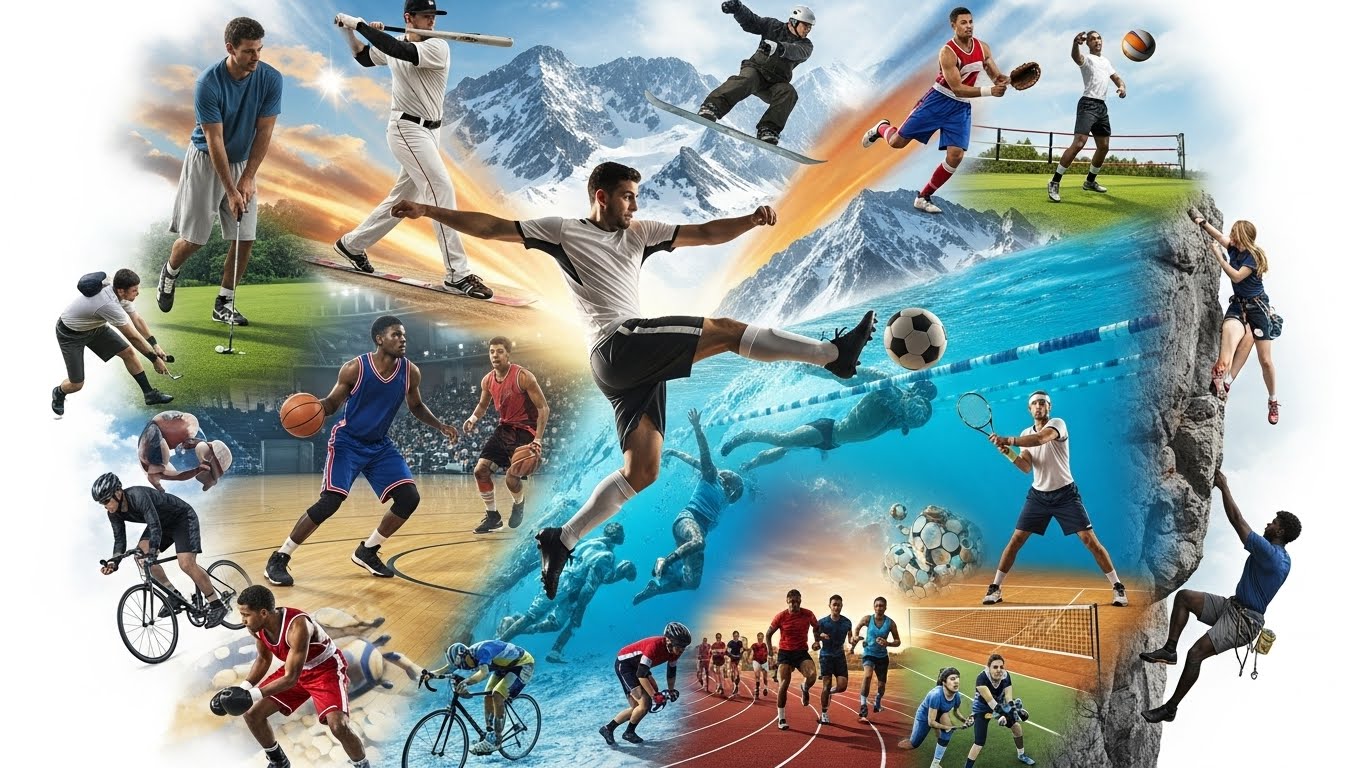
Sports have been a cornerstone of human civilization for centuries, captivating people across cultures and generations. From ancient Olympic games to modern professional leagues, sports transcend the simple act of playing—they influence health, culture, education, and social connections. In this blog post, we will explore the multifaceted role of sports, examining its impact on physical and mental health, personal growth, communities, and global culture.
The Universal Language of Sports
One of the most remarkable aspects of sports is its ability to connect people across borders. Sports are a universal language that transcends culture, language, and geography. A football match in Europe, a cricket game in India, or a basketball tournament in the United States can evoke similar excitement and emotion among fans. Sporting events foster unity, promote teamwork, and create shared experiences that bridge societal divides. Through competition and collaboration, sports encourage empathy, understanding, and mutual respect among diverse communities.
Physical Health Benefits
The physical benefits of sports are undeniable. Regular participation enhances cardiovascular health, improves muscular strength, and promotes flexibility and endurance. Engaging in sports also helps maintain a healthy body weight, boosts metabolism, and strengthens the immune system. Beyond these measurable benefits, sports encourage active lifestyles, reducing the risk of chronic illnesses such as obesity, diabetes, and heart disease. Children and adults alike develop better coordination, balance, and reflexes, setting the foundation for lifelong health and vitality.
Mental and Emotional Well-Being
Sports are not only a path to physical fitness but also a catalyst for mental and emotional well-being. Exercise releases endorphins, chemicals that enhance mood and reduce stress. Regular physical activity through sports can alleviate symptoms of anxiety and depression while improving cognitive function and memory. Team sports provide social interaction, fostering a sense of belonging and reducing feelings of isolation. Additionally, engaging in competitive sports encourages emotional resilience, teaching individuals to handle success and failure with balance and perspective.
Personal Growth and Life Skills
Participating in sports nurtures essential life skills. Discipline, perseverance, and time management are developed through consistent practice and training. Sports teach individuals to set goals, monitor progress, and strive for improvement, fostering a growth mindset. Dealing with wins and losses instills resilience, humility, and patience. For young athletes, sports provide a structured environment to learn responsibility, leadership, and accountability, helping shape well-rounded and confident individuals prepared to face challenges both on and off the field.
Teamwork and Collaboration
Team sports, in particular, emphasize collaboration and communication. Players must understand their roles, cooperate with teammates, and work toward common objectives. These experiences teach compromise, negotiation, and the importance of mutual trust. Even individual sports often require interaction with coaches, trainers, and competitors, honing social and communication skills. The lessons learned through teamwork in sports often extend to professional and personal settings, enabling individuals to thrive in collaborative environments and build stronger relationships.
Sports and Education
Educational institutions increasingly recognize the role of sports in holistic development. Participation in school or college sports improves academic engagement, teaching students the value of discipline, time management, and goal setting. Competitive sports in educational settings promote leadership, strategic thinking, and problem-solving. In many countries, scholarships and academic opportunities are tied to athletic performance, highlighting the importance of sports in shaping future leaders. Beyond physical education, sports also foster inclusivity, teamwork, and school spirit.
Community and Social Impact
Sports have the power to strengthen communities. Local clubs, tournaments, and recreational activities bring people together, creating social bonds and promoting civic engagement. Community sports programs provide opportunities for youth development, reduce social isolation, and encourage healthy lifestyles. Large-scale sporting events, such as marathons, tournaments, and championships, foster local pride and bring communities together in celebration. Sports act as a platform for positive social interaction, encouraging collaboration, mutual support, and the sharing of values.
Economic Significance
Sports also contribute significantly to local and global economies. Professional leagues, tournaments, and sports-related events generate employment, stimulate tourism, and promote commerce. Merchandise sales, sponsorship deals, broadcasting rights, and ticket sales create substantial revenue streams. Investments in sports infrastructure, such as stadiums, training facilities, and recreational spaces, drive economic growth and urban development. Even grassroots sports programs contribute to the economy by providing jobs and boosting small businesses, demonstrating the financial influence of sports at multiple levels.
Cultural Importance of Sports
Sports are deeply intertwined with culture and identity. Traditional sports preserve heritage, celebrate history, and bring communities together during festivals and events. International competitions, such as the Olympics or World Cups, showcase cultural pride and unity, allowing countries to share their unique traditions and values. Sports also inspire art, literature, and media, influencing societal norms and entertainment. Through cultural representation, sports create a sense of belonging and global awareness, strengthening connections across communities and generations.
Sports and Technology
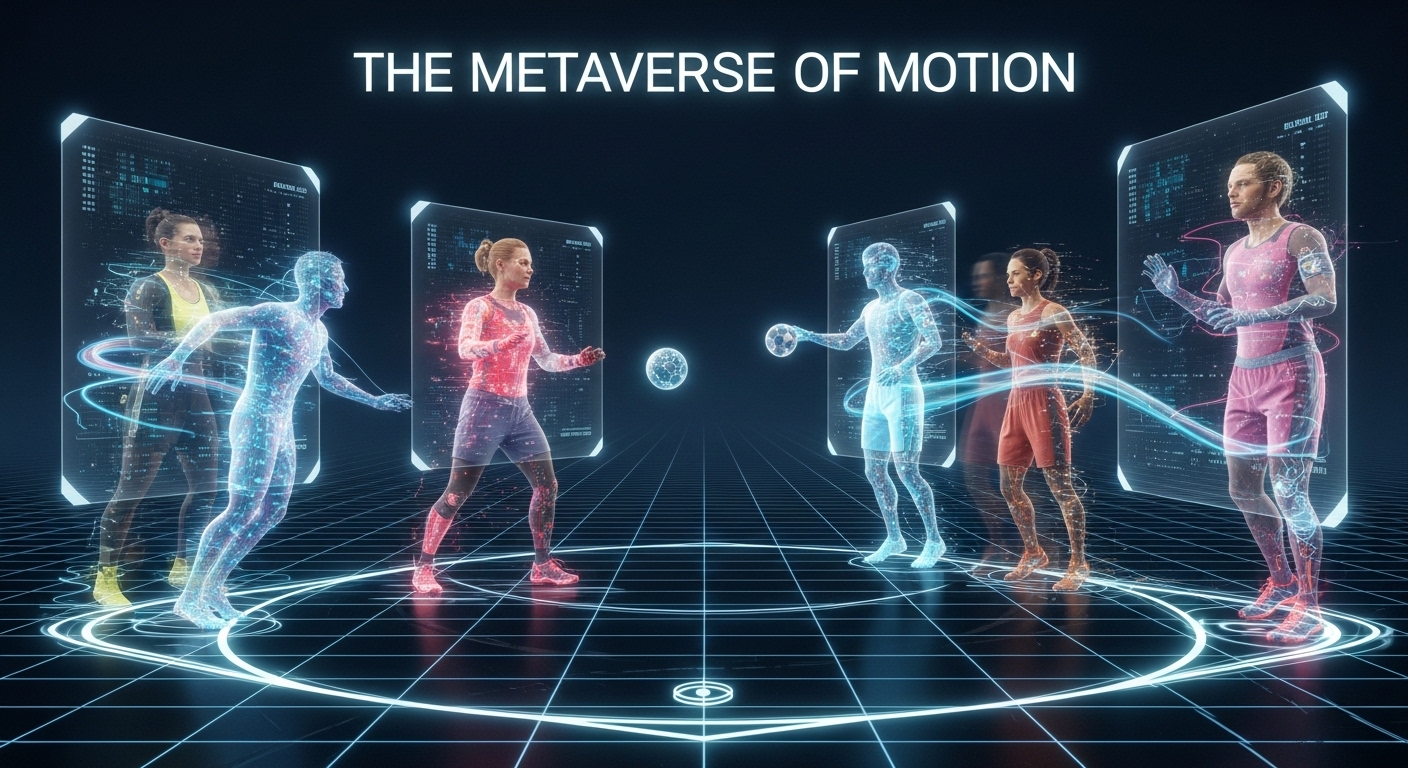
Technology has transformed the way sports are played, watched, and analyzed. Innovations in performance tracking, analytics, and training methods help athletes optimize their performance and prevent injuries. Video replay systems and instant analysis enhance fairness and accuracy in competition. Broadcasting technologies and online platforms allow fans to follow games in real-time, engage with players, and participate virtually in sporting events. Technology not only improves the athlete experience but also enhances fan engagement and accessibility, making sports more inclusive and interactive.
Overcoming Challenges in Sports
While sports offer numerous benefits, they also present challenges. Injuries, overtraining, and mental stress can affect athletes at all levels. Gender inequality, lack of access to resources, and socioeconomic barriers limit participation in some communities. Additionally, ethical issues, including doping, match-fixing, and corruption, threaten the integrity of competitions. Addressing these challenges requires education, regulation, and investment in safety measures, inclusivity, and fairness to ensure that sports continue to promote positive outcomes for all participants.
The Role of Sports in Promoting Social Change
Sports can be a powerful tool for social change. Community-based programs use sports to engage youth, promote education, reduce crime, and improve health outcomes. Campaigns for gender equality, inclusivity, and disability awareness leverage sports as a platform for advocacy and awareness. By bringing people together and inspiring collective action, sports create opportunities to address societal challenges, foster leadership, and encourage active citizenship. The social impact of sports extends far beyond the field, influencing attitudes, policies, and communities.
Sports and Global Unity
Sports foster global connections and international understanding. Major competitions bring together nations, celebrating diversity and shared human achievement. International sporting events promote diplomacy, cooperation, and mutual respect, encouraging peaceful competition and collaboration. Fans worldwide can connect over shared experiences, bridging cultural divides and fostering a sense of global community. In a world often divided by politics, economics, and ideology, sports remind us of our shared humanity and the power of collaboration.
The Future of Sports
The future of sports is poised for continued growth and innovation. Advances in technology, training, and analytics will push human performance to new heights. Efforts to promote inclusivity, gender equality, and sustainability will reshape access and participation. Global connectivity and virtual platforms will create new ways for fans to engage and for communities to participate. Sports will continue to influence culture, education, and social development, ensuring that their impact remains profound and far-reaching.
Conclusion: More Than Just a Game
Sports are much more than recreational activities or competitions—they are a reflection of human ambition, creativity, and resilience. They promote physical health, mental well-being, personal growth, social cohesion, and cultural understanding. From local playgrounds to global arenas, sports inspire, unite, and empower individuals and communities. Embracing sports means acknowledging their role in shaping society, fostering values, and providing opportunities for people of all ages and backgrounds to thrive. In every kick, throw, and sprint lies the power to transform lives, making sports an enduring and essential part of the human experience.