Introduction: More Than Just a Game
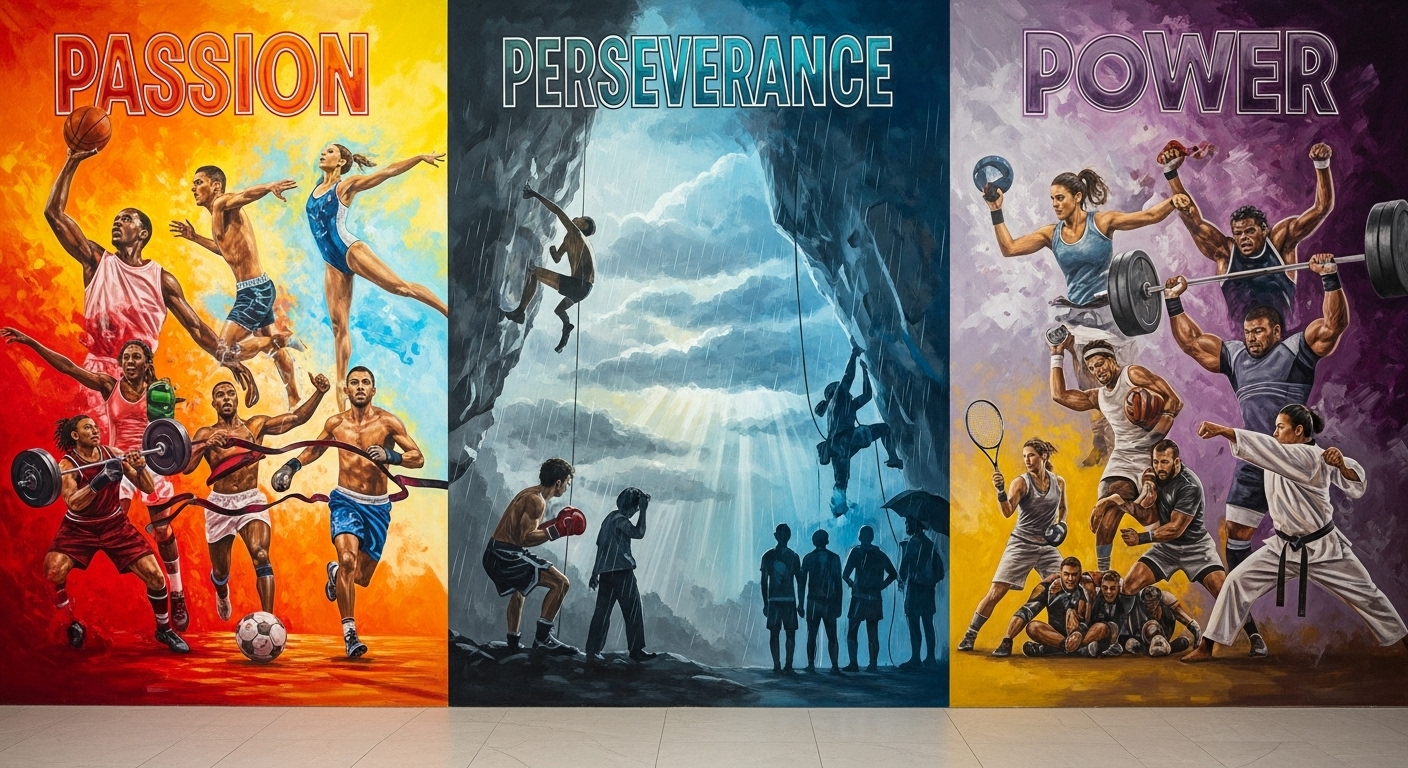
Sports have always been more than a competition between teams or individuals. While scoreboards display numbers and trophies celebrate winners, the true impact of sports extends far beyond these visible outcomes. From childhood playgrounds to global stadiums, sports influence how people think, behave, connect, and grow. They shape character, define cultures, and unite communities across boundaries of language, class, and nationality. In a world increasingly divided by differences, sports remain one of the few universal languages understood by all.
The Role of Sports in Building Character
One of the most powerful contributions of sports lies in character development. Athletes, whether amateur or professional, are constantly exposed to situations that test their discipline, patience, and resilience. Training demands consistency, effort, and the willingness to improve even when progress feels slow. Losing a match teaches humility and reflection, while winning encourages responsibility and respect.
Sports instill values such as teamwork, honesty, and perseverance. A player quickly learns that individual talent alone cannot guarantee success; cooperation and trust are equally essential. These lessons often extend into everyday life, shaping how individuals approach education, careers, and relationships. Many leaders credit their sporting experiences for teaching them how to handle pressure, failure, and decision-making.
Sports as a Universal Cultural Language
Across the world, sports reflect cultural identity. Different regions celebrate different games, yet the passion they inspire is remarkably similar. Football stadiums in South America, cricket grounds in South Asia, basketball courts in North America, and martial arts arenas in East Asia all showcase unique traditions while expressing shared emotions of joy, disappointment, pride, and hope.
Sports also preserve cultural heritage. Traditional games passed down through generations help communities maintain a connection to their past. At the same time, modern sports create new traditions, rituals, and legends that become part of national identity. Major tournaments often transcend sport itself, becoming cultural events that influence music, fashion, language, and social conversations.
The Psychological Power of Competition
Competition is a defining element of sports, and its psychological impact is profound. Healthy competition pushes individuals to test their limits and strive for excellence. Athletes learn how to manage stress, stay focused under pressure, and maintain confidence in challenging situations. These mental skills are valuable beyond the playing field, helping people navigate academic challenges, workplace demands, and personal struggles.
Sports also offer emotional release. For players, physical exertion combined with strategic focus can be therapeutic. For fans, supporting a team provides excitement, belonging, and a shared emotional journey. The highs of victory and the lows of defeat create emotional experiences that strengthen bonds among supporters.
Sports and Physical Well-Being
The physical benefits of sports are widely recognized, yet they deserve renewed attention in an increasingly sedentary world. Regular participation in sports improves cardiovascular health, strengthens muscles, enhances coordination, and boosts overall fitness. Beyond physical strength, sports contribute to mental health by reducing stress, anxiety, and depression.
For young people, sports play a critical role in healthy development. They encourage active lifestyles at an early age, helping establish habits that can last a lifetime. For adults and seniors, recreational sports provide opportunities to stay active, socialize, and maintain mobility. In this way, sports support well-being across all stages of life.
The Social Impact of Team Sports
Team sports, in particular, highlight the importance of cooperation and mutual respect. Players must communicate effectively, understand different roles, and support one another toward a shared goal. These dynamics mirror real-world social structures, making team sports a powerful tool for social learning.
Sports also foster inclusion. When individuals from diverse backgrounds come together on a team, differences in culture, language, and belief often fade in the face of common objectives. Many community programs use sports to bridge social gaps, offering young people positive environments that promote equality, discipline, and opportunity.
Sports as a Platform for Social Change
Throughout history, sports have played a role in challenging social norms and inspiring change. Athletes and teams have used their visibility to speak out against injustice, promote equality, and raise awareness of important issues. While sports are often seen as a form of escape, they can also serve as a mirror reflecting societal values and struggles.
Major sporting moments have sparked conversations that extend far beyond the field. When athletes take a stand, they remind the world that sports figures are not just entertainers but influential voices capable of shaping public opinion. This intersection of sports and social responsibility continues to evolve, highlighting the power of sports as a force for progress.
The Economic Influence of Sports
Sports also have a significant economic impact. From local tournaments to international events, sports generate employment, tourism, and business opportunities. Stadiums, merchandise, media coverage, and sponsorships contribute to economic growth and urban development.
At the grassroots level, sports academies and training centers create pathways for talent development while supporting local economies. At the professional level, sports industries influence advertising, broadcasting, and global commerce. This economic dimension demonstrates that sports are not isolated activities but integral components of modern society.
The Role of Technology in Modern Sports
Technology has transformed the way sports are played, analyzed, and experienced. Advanced training methods, performance tracking, and data analysis have improved athlete preparation and injury prevention. Video analysis helps coaches refine strategies, while instant replays enhance fairness and accuracy in officiating.
For fans, technology has revolutionized access to sports. Live broadcasts, mobile applications, and interactive platforms allow supporters to engage with their favorite teams anytime, anywhere. While technology enhances convenience and insight, it also raises questions about preserving the human element and emotional spontaneity that make sports special.
Youth Sports and the Future Generation
Youth sports represent the foundation of the sporting world. They introduce children to physical activity, teamwork, and healthy competition. When guided positively, youth sports build confidence, discipline, and a sense of achievement. However, excessive pressure and unrealistic expectations can undermine these benefits.
The future of sports depends on creating supportive environments that prioritize development over winning. Encouraging enjoyment, learning, and personal growth ensures that young athletes remain motivated and balanced. Coaches, parents, and institutions play a vital role in shaping positive sporting experiences that carry lasting impact.
Sports Fandom and Emotional Connection
Being a sports fan is an emotional experience unlike any other. Fans invest time, energy, and identity into their teams, forming deep emotional bonds. These connections often span generations, with traditions passed from parents to children. Supporting a team becomes part of personal identity, offering a sense of belonging and continuity.
Fandom also creates community. Whether gathered in stadiums or local viewing spaces, fans share moments of collective joy and disappointment. These shared experiences strengthen social ties and remind people of the power of unity through common passion.
Challenges Facing the World of Sports
Despite its many benefits, sports face ongoing challenges. Issues such as corruption, inequality, excessive commercialization, and ethical concerns threaten the integrity of competition. The pressure to win at all costs can lead to burnout, injury, and compromised values.
Addressing these challenges requires commitment from governing bodies, athletes, fans, and communities. Transparency, fair play, and respect must remain central to sports culture. By prioritizing long-term values over short-term gains, sports can continue to inspire and uplift.
Conclusion: The Enduring Spirit of Sports
Sports endure because they speak to something fundamental in human nature. They reflect our desire to compete, connect, and overcome challenges. Beyond trophies and records, sports offer lessons in resilience, cooperation, and hope. They bring people together in moments of shared emotion and remind us of our common humanity.
As the world continues to change, sports remain a constant source of inspiration and unity. Whether played on a dusty field or watched in a packed stadium, sports have the power to shape lives, strengthen communities, and create stories that last far beyond the final whistle. In the end, the true value of sports lies not in the scoreboard, but in the impact they leave on hearts and minds.