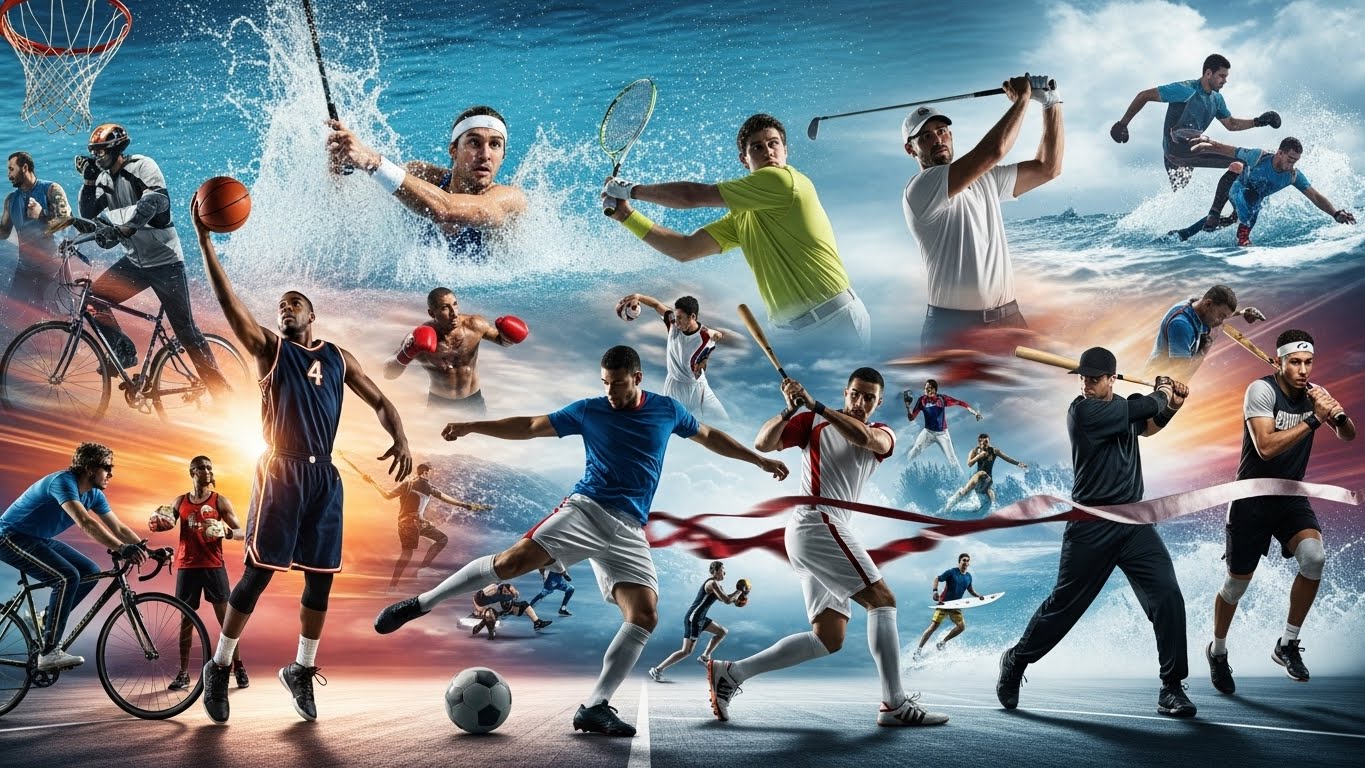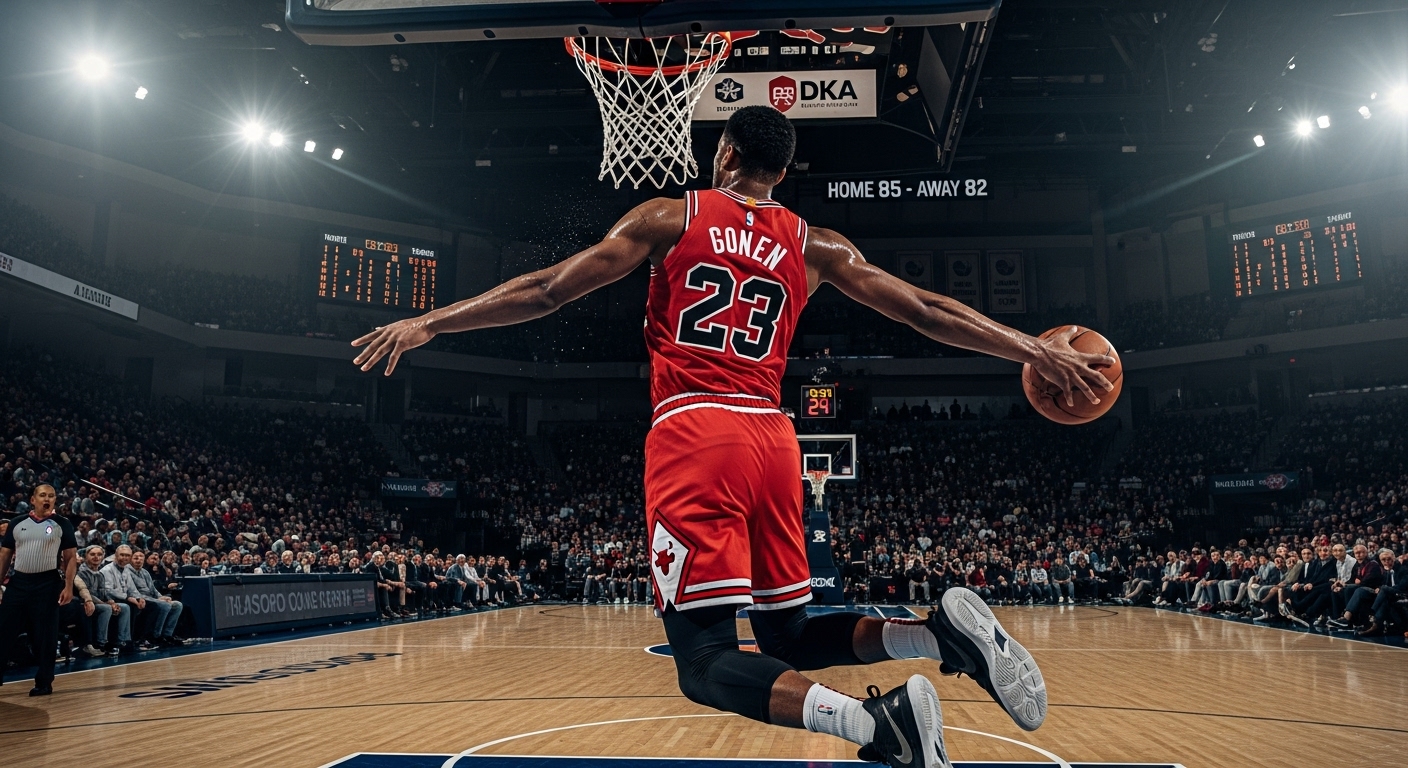

Sports have always been a mirror of human society, reflecting the values, trends, and advancements of the times. Whether it’s through the athletic prowess of players or the collective excitement of fans, sports continue to evolve. As we move further into the 21st century, technology, mental health awareness, and global social movements are making an indelible mark on the world of athletics. This blog explores the key forces reshaping the future of sports and the new directions they are taking. From data analytics to athlete well-being, the landscape of professional sports is changing in profound ways.
The Integration of Technology: Revolutionizing the Game
One of the most significant transformations in the sports world is the rapid integration of technology. From performance tracking to fan engagement, technology is fundamentally changing how sports are played, analyzed, and consumed.
Performance Tracking and Data Analytics
Gone are the days when sports teams relied solely on intuition and experience. Today, data analytics are at the heart of strategy and performance. Wearable technology like GPS trackers, heart rate monitors, and accelerometers now provide coaches and athletes with real-time insights into their physical performance.
For example, in soccer, teams can track players’ movements on the field, analyze their fatigue levels, and assess how well they’re executing plays. This allows coaches to adjust tactics mid-game based on data, something that was previously unthinkable. Similarly, in basketball, teams analyze metrics like shooting efficiency, rebound rates, and player rotations to fine-tune strategies.
In addition to traditional team sports, individual athletes across disciplines—runners, swimmers, and cyclists—are also using wearable tech to track performance improvements, preventing injuries, and maximizing training benefits. These insights enable athletes to train smarter, not harder, leading to more efficient and sustainable success.
Fan Engagement and Augmented Reality
Technology also enhances the fan experience. Augmented Reality (AR) and Virtual Reality (VR) are gaining traction as ways to bring fans closer to the action. Imagine sitting courtside at an NBA game from the comfort of your living room, or experiencing the adrenaline of a football game as if you were on the field. These technologies are making sports more immersive and interactive than ever before.
Moreover, social media and streaming platforms are becoming integral to how fans consume sports. Instead of relying on traditional television broadcasts, fans can now watch games live on apps or engage with content on social media platforms. Teams and athletes are also using these platforms to connect with fans on a more personal level, offering exclusive behind-the-scenes content, live Q&A sessions, and more. This shift in how fans experience sports is one of the key factors driving the growth of global sports communities.
Mental Health: Shifting the Focus to Athlete Well-Being
For years, the mental health of athletes was overlooked in favor of physical performance. However, this is starting to change. Athletes are now speaking out more about the emotional and psychological pressures they face, and the sports industry is responding with a more holistic approach to athlete care.
The Pressure to Perform
Athletes are under tremendous pressure to succeed, and this pressure can take a heavy toll on their mental well-being. From social media scrutiny to the constant demands of competition, athletes often struggle with anxiety, depression, and burnout. This issue is particularly pronounced in high-profile sports, where expectations are sky-high and the margin for error is razor-thin.
The mental strain is evident across various sports. In tennis, stars like Naomi Osaka and Serena Williams have spoken openly about their struggles with mental health in the face of overwhelming public expectations. Similarly, in gymnastics, Simone Biles made headlines when she withdrew from events at the Tokyo Olympics to prioritize her mental health, sparking a broader conversation about the importance of psychological well-being in sports.
Addressing Mental Health in Sports
In response to this growing awareness, sports organizations are increasingly focusing on mental health resources for athletes. Teams now employ sports psychologists who help athletes cope with pressure, develop mental resilience, and manage stress. Furthermore, leagues are instituting programs to promote open discussions about mental health and reduce the stigma associated with seeking help.
This shift is also being supported by fans, who are becoming more empathetic toward athletes who take breaks or speak out about their mental health challenges. In the past, athletes may have been reluctant to express vulnerability, but now, there is a growing movement that values mental well-being as much as physical health.
E-Sports: A New Era of Competition
While traditional sports continue to dominate the global stage, a new form of competition is rapidly gaining ground: e-sports. Competitive gaming has transformed from a niche hobby to a booming industry, with professional leagues, huge prize pools, and millions of viewers worldwide.
The Growth of Competitive Gaming
E-sports now attracts audiences that rival major traditional sporting events. Games like League of Legends, Dota 2, and Fortnite have global followings, and the players themselves are becoming celebrities. The rise of streaming platforms like Twitch and YouTube has allowed e-sports to reach a younger, tech-savvy audience that craves the excitement and drama of competitive gaming.
This expansion has led to the creation of professional e-sports leagues and tournaments, some with prize money that rivals traditional sports competitions. For example, the The International Dota 2 tournament has a prize pool that exceeds $40 million, making it one of the highest-paying competitions in the world.
E-Sports and Traditional Sports Convergence
Interestingly, traditional sports organizations have started to invest in e-sports as well. Several football clubs, such as Paris Saint-Germain and Manchester City, have formed e-sports teams to compete in popular gaming leagues. This convergence of traditional and digital sports suggests a future where the lines between the two may blur even further, with virtual sports competitions becoming just as prestigious as their real-world counterparts.
Globalization and Diversity: Making Sports More Inclusive
As the world becomes more interconnected, sports are becoming more global and inclusive. Historically, certain sports were seen as exclusive to specific regions, but the rise of international competitions and cross-border fan bases has changed this dynamic.
Increasing Global Participation
Today, athletes from diverse backgrounds are participating in sports that were once considered the domain of a particular culture or region. For example, cricket, which was once predominantly played in the UK and former British colonies, is now gaining significant traction in places like the United States, where leagues are forming and the sport is slowly gaining a following. Similarly, basketball, traditionally popular in North America, is now played at a competitive level in countries like China, Spain, and Argentina.
The growing international scope of sports means that leagues are increasingly featuring talent from all corners of the globe. This globalization enriches the sport itself, introducing new playing styles, strategies, and fan cultures that make the experience more dynamic.
The Push for Diversity and Equality
In recent years, there has been a concerted effort to make sports more inclusive, with greater emphasis on gender equality, racial diversity, and accessibility for athletes with disabilities. The rise of women’s sports leagues, such as the WNBA and NWSL, is helping bridge the gender gap, while initiatives like the Black Lives Matter movement are pushing for more diversity and equality in sports organizations.
Para-athletics has also seen tremendous growth, with the Paralympic Games gaining more recognition and support. The inclusion of athletes with disabilities in major competitions is helping challenge the perception of disability and creating a more inclusive sports culture that celebrates talent regardless of physical limitations.
The Future of Sports: Innovation and Adaptation
Looking ahead, sports will continue to evolve in exciting ways. New technologies like Artificial Intelligence (AI), machine learning, and virtual reality (VR) will open new doors for training, performance, and fan engagement. Innovations in nutrition, recovery, and wearable tech will further enhance the athlete experience, allowing individuals to push the limits of human performance.
At the same time, sports organizations will need to adapt to changing societal attitudes, particularly when it comes to athlete wellness, diversity, and inclusion. The future of sports will be shaped by the continuing emphasis on mental health, the integration of digital and traditional sports, and the global expansion of athletic competitions.
The ultimate goal is a more inclusive, technologically advanced, and athlete-centric future where sports serve as a platform for entertainment, personal development, and social progress. As we move forward, sports will remain a key part of human culture, continuing to inspire, challenge, and unite people from all walks of life.