
Introduction: The World That Lives Within Every Game
Sports have always been more than physical contests. They are stories woven into motion, emotions translated into action, and entire communities reflected on a field or court. Whether played on a dusty neighborhood ground or a brightly lit international stadium, sports carry a universal language understood by all. They build resilience, foster unity, and teach lessons that last far beyond a final whistle. In this blog, we explore the deep influence of sports on individuals and society, and why their impact remains timeless in a rapidly changing world.
The Heartbeat of Competition
At the core of every sport lies competition. But competition is not about defeating someone else; it is about discovering oneself. Athletes often talk about the pressure they feel during matches, yet they return again and again, seeking not just victory but growth. The push to run faster, jump higher, or think more strategically demands a level of discipline that extends into everyday life.
Competition creates clarity. It forces athletes to ask difficult questions about their determination, their goals, and their capacity to endure hardship. In those moments when an athlete pushes through exhaustion or rises after a fall, a deeper message is revealed. It is the understanding that true strength lies in persistence, and that progress is born from discomfort. This is why sports continue to inspire millions, reminding everyone that improvement is always possible, effort always matters, and perseverance is an unshakable power.
Sports as a Classroom Without Walls
While textbooks teach facts, sports teach life. Every game offers lessons on leadership, teamwork, patience, time management, and emotional control. On the field, decisions must be made quickly. A player learns to trust teammates, adapt to changing situations, and communicate clearly despite fatigue or pressure. These skills translate directly into academic and professional environments.
Sports also teach how to handle failure. A missed goal, a lost match, or a disappointing performance becomes a stepping stone toward greater self-understanding. Young athletes especially benefit from this early exposure to setbacks in a safe, supportive environment. They learn to accept responsibility, analyze mistakes, and return with renewed focus. This emotional intelligence becomes invaluable in later life, helping individuals navigate relationships, careers, and personal challenges.
Building Stronger Communities Through Sport
Every cheering crowd, local club, friendly neighborhood match, or passionate fan base represents something bigger than the game itself. Sports unite people who may share nothing else. They bridge social, cultural, and economic divides, creating spaces where differences fade and a sense of belonging grows.
A community team, for instance, often becomes a place where children make lasting friendships, parents connect with one another, and neighborhoods build pride. Stadiums transform into collective homes where thousands of strangers celebrate together. Even watching sports from home builds connections, as families gather, friends debate strategies, and national teams ignite patriotic enthusiasm.
Sports also play a vital role in promoting peace and understanding. Events involving multiple nations encourage cultural exchange and mutual respect. Many global movements for equality and social justice have also found powerful platforms through sports, reminding the world that change often begins in the moments when people come together.
The Rise of Women in Sports
One of the most inspiring transformations in recent years has been the rapid growth of women’s sports. More women are competing at elite levels, breaking records, and becoming role models for younger generations. This rise has reshaped public perceptions, proving that talent, strength, and determination are not defined by gender.
Women athletes across the world are pushing boundaries that once seemed unbreakable. Their achievements not only elevate the quality of competition but also inspire conversations about equity, representation, and opportunities. The increasing support for women’s leagues, tournaments, and grassroots programs represents a turning point in sports history. As more young girls step onto fields, courts, and tracks, the future of sports becomes richer, more diverse, and more powerful.
Technology’s Impact on Modern Sports
The world of sports has entered a new era shaped by technology. Advanced training tools, performance analytics, wearable sensors, and video review systems have all transformed how athletes train and compete. Coaches now study detailed data to identify strengths, weaknesses, and injury risks, creating personalized training programs that elevate performance.
Technology has also changed how fans interact with sports. High-definition broadcasts, instant replays, virtual reality experiences, and advanced statistics allow viewers to understand games with greater depth. Social media platforms give athletes direct connections with supporters, creating new forms of engagement and storytelling.
However, technology must be used carefully. While data can improve performance, sports must remain human at their core. The thrill of unpredictability, creativity, and emotion can never be replaced by algorithms. The challenge ahead lies in balancing innovation with tradition, ensuring that sports continue to evolve without losing their soul.
Mental Health: The Quiet Conversation in Sports
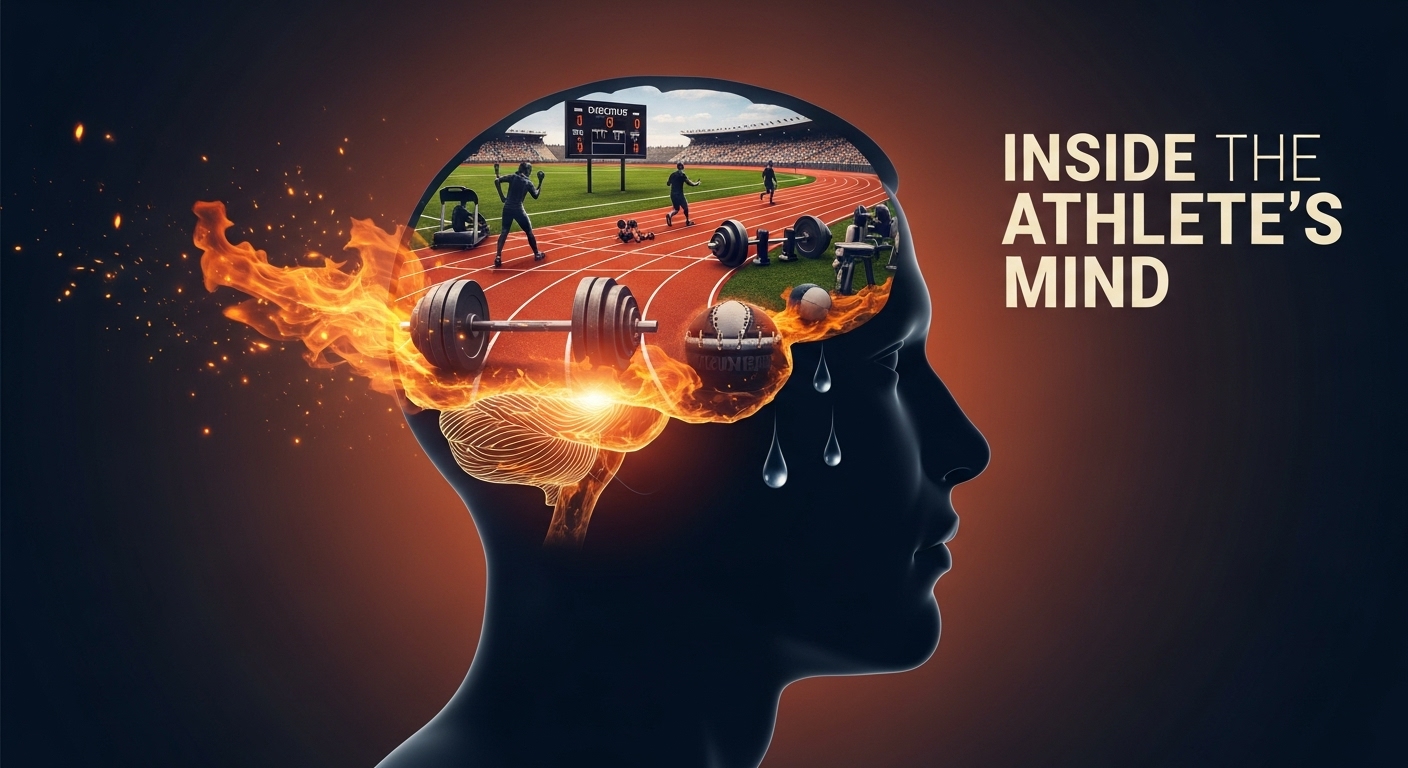
One of the most important shifts in modern sports is the growing focus on mental health. In the past, athletes were expected to stay silent about emotional struggles, but now many openly discuss stress, anxiety, burnout, and pressure. This transparency is reshaping the culture of sports and encouraging fans to recognize that athletes are human beings, not machines.
Mental wellness programs, sports psychologists, and mindfulness training have become standard in many organizations. These initiatives help athletes manage pressure, maintain focus, and build resilience. The broader message is equally powerful: mental health matters just as much as physical health, and seeking support is a sign of strength, not weakness. This changing attitude is creating healthier, happier athletes and setting an example for society as a whole.
Youth Development and the Future of Sports
Youth sports programs play a crucial role in shaping future athletes, leaders, and citizens. When children participate in sports, they develop motor skills, social confidence, and healthy habits that last a lifetime. More importantly, they experience joy, learn teamwork, and build character through challenges.
The future of sports depends on creating safe, inclusive environments for young people. This means reducing the pressure on children, focusing on fun and development, and ensuring that all kids, regardless of background, have access to sports opportunities. When youth programs emphasize effort over winning and curiosity over perfection, the next generation grows not only more skilled but more compassionate and confident.
The Unbreakable Spirit of Athletes
Throughout history, athletes have shown remarkable courage in the face of adversity. Injuries, defeats, comebacks, and personal challenges are part of nearly every sports journey. Each story of resilience inspires millions, reminding us that greatness is not measured by talent alone, but by the ability to rise when everything seems lost.
Whether it is the athlete who trains before dawn, the player recovering from a major injury, or the team fighting against long odds, sports reveal the extraordinary potential within ordinary people. This spirit is why sports remain timeless. They reflect the battles we all face, offering hope, motivation, and a reminder that persistence can turn impossibilities into achievements.
Conclusion: Why Sports Will Always Matter
Sports are not just games. They are mirrors that reflect our values and hopes. They teach discipline, celebrate diversity, unite communities, and inspire individuals to reach higher than they thought possible. As the world evolves, the role of sports continues to expand, shaping not only athletes but entire societies.
Whether you are a passionate fan, a weekend player, or someone who simply admires the determination of athletes, the influence of sports touches your life in some way. The field may be temporary, but the lessons it teaches are permanent. And that is the silent, enduring power of sport.