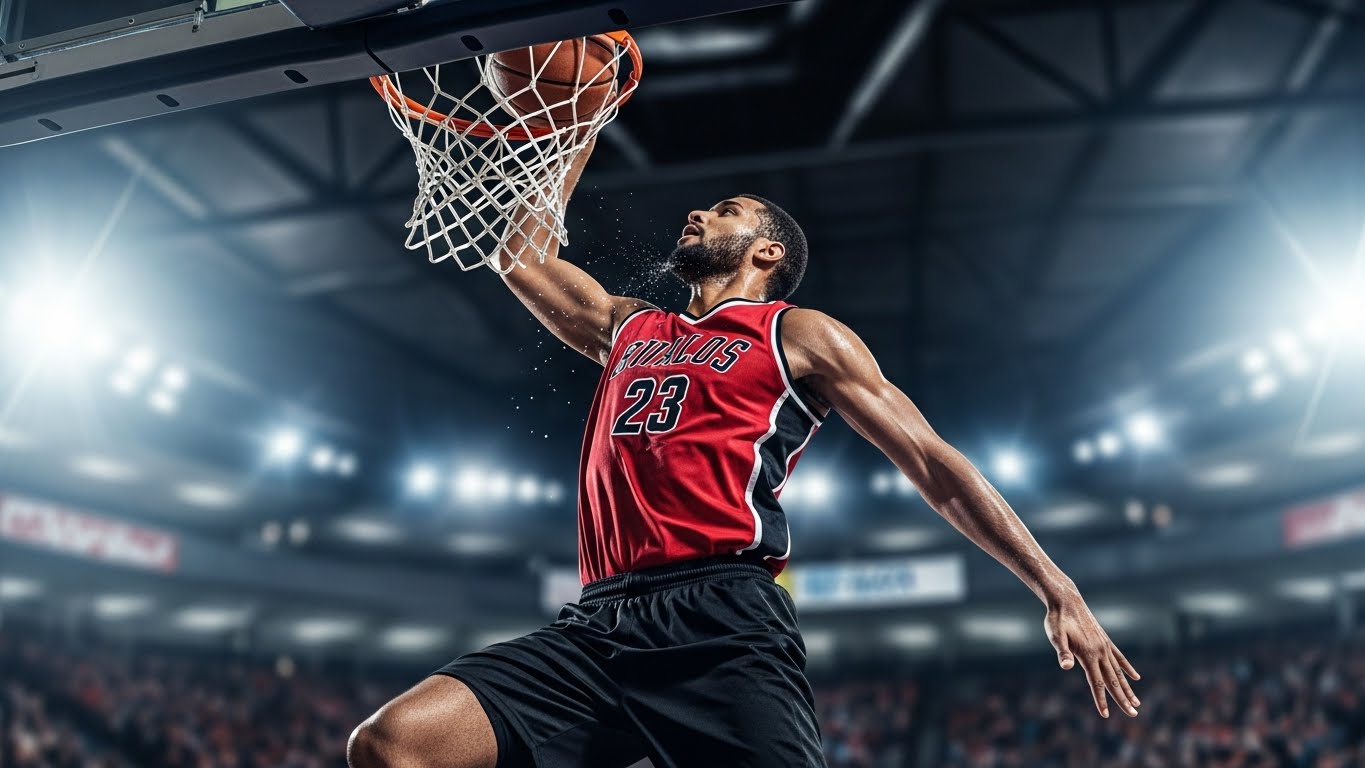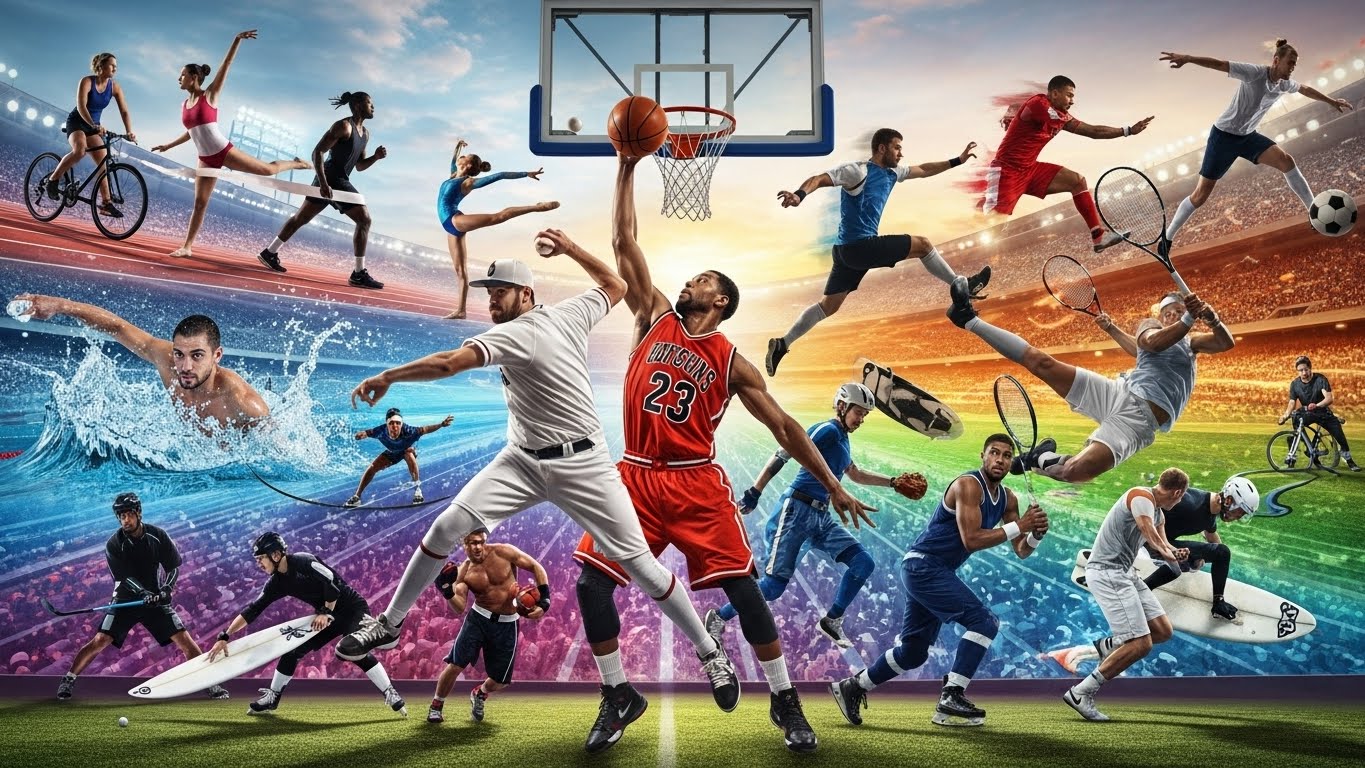
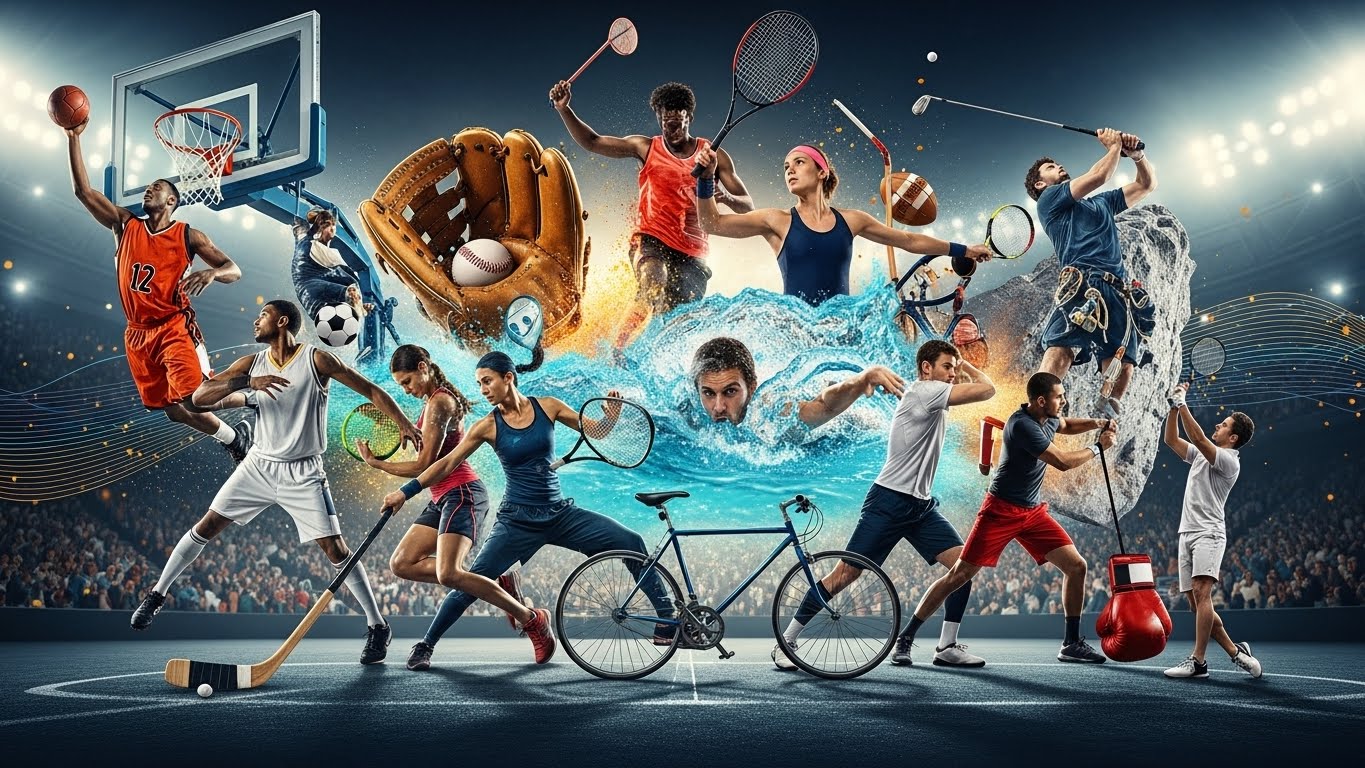
Sports have been an intrinsic part of human civilization for centuries. From the ancient Olympic Games in Greece to the modern-day spectacle of global tournaments, sports have served as a universal language, transcending borders, cultures, and languages. The world of sports is far more than competition; it is about passion, resilience, unity, and personal growth. In this blog, we will explore the multifaceted nature of sports, their physical and mental benefits, their role in society, and the enduring spirit that keeps athletes and fans engaged across generations.
The Evolution of Sports Through Time
Sports have evolved dramatically over time. In the earliest days, athletic activities were primarily survival-based, helping humans hone their hunting, endurance, and combat skills. With the passage of time, these physical activities transformed into structured games and competitions. Ancient civilizations, including Greeks, Romans, and Egyptians, held athletic contests not only as entertainment but also as a demonstration of strength, skill, and discipline. The Olympics, introduced in 776 BCE in Greece, became a cornerstone for international competition and showcased the idea that sports could bring people together.
In the modern era, sports have become professionalized, commercialized, and globalized. From cricket in South Asia to American football in the United States, different regions have cultivated unique sporting traditions. Today, sports are no longer limited to physical activity; they encompass strategic thinking, teamwork, psychology, and even technology, reflecting the complexity and growth of human society.
Physical Benefits of Engaging in Sports
The most apparent advantage of participating in sports is the improvement of physical health. Regular athletic activity enhances cardiovascular endurance, strengthens muscles, improves flexibility, and boosts overall stamina. For instance, running, swimming, and cycling enhance heart health, while weight training improves bone density and muscle strength. Sports also help in weight management and reduce the risk of chronic diseases such as diabetes, hypertension, and obesity.
In addition to physical strength, sports improve motor skills and coordination. Activities like soccer, basketball, and tennis require precise hand-eye coordination, balance, and reflexes. Even recreational participation in sports can significantly improve agility and overall body awareness. Engaging in sports from a young age can instill lifelong habits of fitness and encourage a proactive approach to health.
Mental and Emotional Benefits of Sports
While the physical benefits of sports are well-known, the mental and emotional advantages are equally profound. Engaging in sports has been shown to reduce stress, anxiety, and depression. Physical activity triggers the release of endorphins, the body’s natural mood enhancers, promoting feelings of happiness and contentment. Beyond biochemistry, sports provide a structured outlet for emotional expression and a platform to develop resilience in the face of challenges.
Team sports, in particular, nurture social and emotional skills. Athletes learn to work collaboratively, manage conflicts, and develop empathy for teammates. Individual sports foster self-discipline, focus, and mental toughness. In both scenarios, sports teach individuals to handle wins and losses gracefully, an essential skill for life beyond the playing field. In essence, sports act as a mental gym, exercising the mind as effectively as it exercises the body.
Sports as a Tool for Social Integration
Sports are uniquely capable of bridging social divides. They bring together individuals from different socio-economic backgrounds, cultures, and beliefs, creating a sense of community and shared identity. Stadiums and arenas, filled with cheering fans, showcase collective passion and unity. International competitions like the FIFA World Cup or the Olympics foster a spirit of global camaraderie, reminding the world that shared human experiences outweigh differences.
Moreover, sports have historically been a platform for social change and activism. Athletes have used their fame to raise awareness about social issues, fight inequality, and advocate for peace. The arena of sports is not just a place for entertainment; it is also a powerful stage for social dialogue, empathy, and global understanding.
The Role of Sports in Character Building
Participation in sports plays a crucial role in developing character and life skills. Discipline is one of the most fundamental lessons athletes learn. Training for excellence requires consistency, commitment, and a structured approach to daily routines. Persistence and resilience are other critical qualities nurtured by sports, as athletes face setbacks, injuries, and losses that test their determination.
Sports also instill leadership qualities. Captains and team leaders learn to motivate others, make strategic decisions, and maintain morale under pressure. Even young athletes in school teams acquire time management skills, accountability, and a sense of responsibility. These life lessons, gained through sports, often translate into success in academic, professional, and personal spheres.
Sports and the Power of Inspiration
One of the most remarkable aspects of sports is their ability to inspire. Athletes often become role models, demonstrating what human potential can achieve through dedication, hard work, and perseverance. Stories of underdogs overcoming obstacles, breaking records, or achieving unprecedented success resonate deeply with fans and aspiring athletes alike. These narratives provide hope, motivation, and the belief that challenges can be overcome with determination.
Beyond individual inspiration, sports have the power to inspire entire communities and nations. A single victory in a major tournament can uplift national morale, instill pride, and foster a collective sense of achievement. In this sense, sports serve as a unifying force, capable of creating shared memories and narratives that endure for generations.
Technology and Innovation in Modern Sports
The modern era has seen a remarkable integration of technology into sports, transforming how games are played, coached, and analyzed. Wearable devices monitor performance, heart rate, and fatigue levels, allowing athletes to optimize training. Video replay and data analytics enhance strategic decision-making for coaches and teams. Even virtual reality and AI simulations are being employed to improve skills, visualize tactics, and prevent injuries.
Technological advancements also enhance fan experiences. High-definition broadcasts, instant replays, and interactive platforms make sports more engaging and accessible. Social media connects fans with athletes in real-time, creating a global community united by the love of the game. Technology, therefore, not only advances athletic performance but also strengthens the cultural and social significance of sports.
Women in Sports: Breaking Barriers
Historically, sports were dominated by men, but women have steadily broken barriers and made significant strides across all disciplines. Female athletes have demonstrated that talent, resilience, and determination know no gender. From football fields to Olympic podiums, women’s sports have grown exponentially in popularity and recognition.
The rise of women in sports is not just a victory for athletes; it is a triumph for society. It challenges stereotypes, promotes equality, and inspires younger generations to pursue their dreams without limitations. The ongoing progress in women’s sports highlights the transformative power of athletics as a platform for social change.
The Globalization of Sports
Sports have become a truly global phenomenon. Competitions and tournaments now transcend local and national boundaries, bringing together athletes and fans from every corner of the world. Events such as the Olympics, World Cup, and international tennis circuits create global spectacles, uniting people across cultures through shared passion and excitement.
Globalization has also led to the cross-pollination of sporting techniques, strategies, and cultures. Athletes train abroad, coaches adopt international methodologies, and fans engage in global discussions about games and players. This interconnectedness fosters mutual respect and understanding among diverse communities, reinforcing the universal appeal of sports.
The Future of Sports
As society continues to evolve, the world of sports is likely to change in tandem. Emerging technologies, increased inclusivity, and growing awareness of health and wellness will shape how sports are played and consumed. Esports, for example, has already carved its niche, merging competition with digital innovation. At the same time, traditional sports continue to adapt, incorporating scientific research to improve performance, prevent injuries, and enhance fan engagement.
Despite these changes, the core essence of sports remains unchanged. The thrill of competition, the joy of teamwork, the celebration of human potential, and the emotional connection between athletes and fans will always define the spirit of sports. It is this enduring essence that ensures sports will remain a central pillar of human culture for generations to come.
Conclusion: More Than a Game
Sports are far more than games played on fields or courts; they are a reflection of human resilience, creativity, and ambition. They challenge us physically, inspire us mentally, and unite us socially. Sports teach invaluable life lessons, foster personal growth, and act as a powerful force for social change. Whether played professionally or recreationally, watched passionately, or celebrated collectively, sports continue to hold a unique and irreplaceable place in human life. The spirit of sports reminds us that while the rules, players, and arenas may change, the joy of competition and the pursuit of excellence remain timeless.