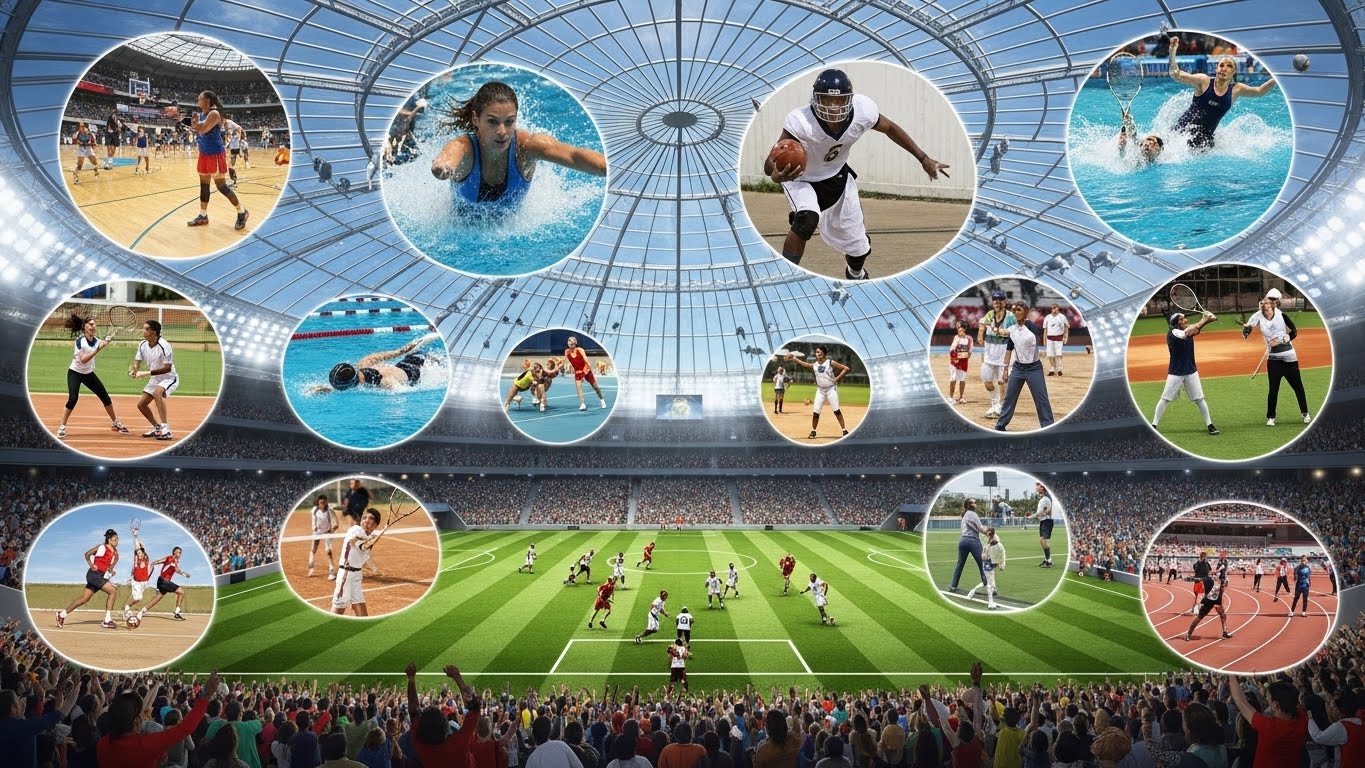

Sports have always held a special place in human society. From ancient Olympic games to modern professional leagues, the allure of sports is universal. They entertain, challenge, and unite people across the globe. Yet, sports are more than just games played on fields or courts. They influence culture, build character, and have the power to inspire generations. This article explores the multifaceted impact of sports, why they matter, and how they shape both individuals and society as a whole.
The Universal Language of Sports
One of the most fascinating aspects of sports is their universality. Whether it’s football in Brazil, cricket in India, basketball in the United States, or rugby in New Zealand, sports are deeply ingrained in national cultures. They transcend language barriers and cultural differences, creating a shared experience among diverse groups. When a nation rallies behind its team, the sense of unity is palpable. Sports have a unique ability to bring people together, even in times of political or social tension.
Events like the Olympics exemplify this global unity. Athletes from every corner of the world gather to compete, not just for medals but to celebrate human potential and resilience. It is an arena where competition coexists with respect, and individual achievements contribute to collective inspiration.
Building Character Through Sports
Participation in sports is more than physical activity; it is a character-building journey. Athletes learn discipline, patience, and perseverance from an early age. The process of training, facing setbacks, and striving to improve fosters qualities that extend beyond the sports arena.
For instance, a young soccer player learns to cope with defeat, understanding that failure is part of growth. A sprinter learns the value of consistency, realizing that small improvements over time lead to significant results. These lessons translate into life skills, teaching responsibility, time management, teamwork, and the importance of hard work. Sports are, in essence, a practical classroom for personal development.
Mental and Physical Health Benefits
The benefits of sports extend to both mental and physical health. Regular physical activity strengthens the cardiovascular system, improves flexibility, and enhances overall endurance. Beyond the obvious physical benefits, sports also improve mental well-being. Exercise releases endorphins, natural chemicals that reduce stress and elevate mood.
Moreover, participating in team sports fosters social interaction, reducing feelings of isolation and promoting a sense of belonging. For children and adolescents, sports can help in developing emotional resilience and coping mechanisms. For adults, it provides a constructive outlet to manage stress and maintain mental sharpness. The connection between sports and holistic health is undeniable, making it a vital component of a balanced lifestyle.
Sports as a Reflection of Society
Sports often mirror societal values and trends. The popularity of certain sports can reflect a nation’s cultural identity, economic status, or social priorities. For instance, cricket in South Asia is not just a game but a social phenomenon, shaping conversations, entertainment, and even politics. Similarly, the rise of women’s sports in recent decades reflects a broader push for gender equality and empowerment.
Sports can also highlight social challenges. Issues like doping, corruption, and inequality within professional leagues reveal societal problems that require attention. However, they also provide a platform for advocacy. Athletes have used their influence to champion causes, from racial equality to environmental sustainability. Through these actions, sports become more than competition—they become catalysts for change.
The Economics of Sports
Sports are a massive economic driver globally. Professional leagues, international tournaments, and local competitions generate billions in revenue annually. This economic impact extends beyond ticket sales, encompassing merchandising, broadcasting rights, and tourism. Cities that host major events experience economic boosts through infrastructure development and increased visitor spending.
Beyond large-scale economics, sports also create opportunities for small businesses and communities. Local gyms, sports clubs, and training academies provide employment and foster entrepreneurship. The economic influence of sports demonstrates its relevance not just culturally or physically, but also financially.
Technology and Sports: The Evolution
The evolution of sports has been significantly influenced by technology. Advances in equipment, training methods, and data analysis have transformed the way games are played and viewed. High-tech gear enhances performance and reduces the risk of injury, while analytics allow coaches and athletes to make precise, data-driven decisions.
Technology has also changed fan engagement. Virtual reality, live streaming, and interactive apps enable fans to connect with sports in immersive ways. The digital era has bridged geographical gaps, allowing fans worldwide to follow their favorite teams and athletes closely. This integration of technology enriches the sports experience, making it more inclusive and engaging than ever before.
The Role of Sports in Education
Sports play a crucial role in education systems worldwide. Schools and colleges often use sports programs to promote physical fitness, teamwork, and leadership skills among students. Participation in school sports has been linked to higher academic performance and better social development.
Student-athletes learn to balance academics with rigorous training, instilling discipline and time management. Scholarships and athletic programs provide opportunities for talented individuals to pursue higher education while continuing their athletic careers. In this way, sports serve as a bridge between education and personal growth.
Inspiration and Role Models
Athletes often become role models, inspiring countless individuals to pursue their dreams. Stories of resilience, dedication, and triumph resonate far beyond the sporting world. Legends like Michael Jordan, Serena Williams, or Lionel Messi are admired not only for their skill but also for their perseverance and discipline.
The impact of role models is particularly significant for young people. Seeing someone overcome challenges to achieve greatness instills hope and ambition. Sports inspire a belief that hard work and determination can lead to success, regardless of the obstacles.
Community and Social Cohesion
Local sports clubs and community teams are vital in fostering social cohesion. They create spaces where people from different backgrounds come together, interact, and form bonds. Community sports programs encourage inclusivity, teamwork, and collective responsibility.
Through these programs, sports address social issues like youth delinquency, health awareness, and social inequality. By promoting participation and engagement, sports strengthen communities, creating a sense of belonging and shared purpose.
Challenges Facing Modern Sports
Despite the many benefits, modern sports face significant challenges. Commercialization has shifted focus from the love of the game to profit-driven agendas. Corruption, match-fixing, and unethical practices tarnish the integrity of sports. The intense pressure on professional athletes can lead to mental health struggles, including anxiety, depression, and burnout.
Additionally, access to sports remains unequal. Economic barriers, lack of facilities, and social prejudices prevent many individuals from fully participating. Addressing these challenges is essential to ensure that sports remain inclusive, fair, and beneficial for society as a whole.
The Future of Sports
The future of sports is promising, driven by innovation, inclusivity, and global engagement. Emerging trends like esports, adaptive sports for individuals with disabilities, and sustainability-focused sporting events are reshaping the landscape. The integration of artificial intelligence and wearable technology is enhancing training, strategy, and fan experiences.
Moreover, the growing emphasis on mental health, gender equality, and social responsibility reflects a more conscious approach to sports. As society evolves, sports continue to adapt, reflecting changing values while maintaining their core essence: the celebration of human potential and achievement.
Conclusion: More Than Just a Game
Sports are far more than a form of entertainment. They are a lens through which we can understand society, a platform for personal development, a driver of economic growth, and a source of inspiration. The impact of sports is profound, shaping the way individuals and communities think, act, and interact.
Whether played professionally or casually, sports teach lessons that extend into everyday life. They foster resilience, promote health, build character, and unite people across divides. In a world often divided by differences, sports remind us of our shared humanity, our collective potential, and the joy of striving for greatness.
Ultimately, the true power of sports lies not in the trophies won or the records broken but in the lives they touch, the communities they strengthen, and the inspiration they ignite. Beyond the game, sports are a celebration of life itself.