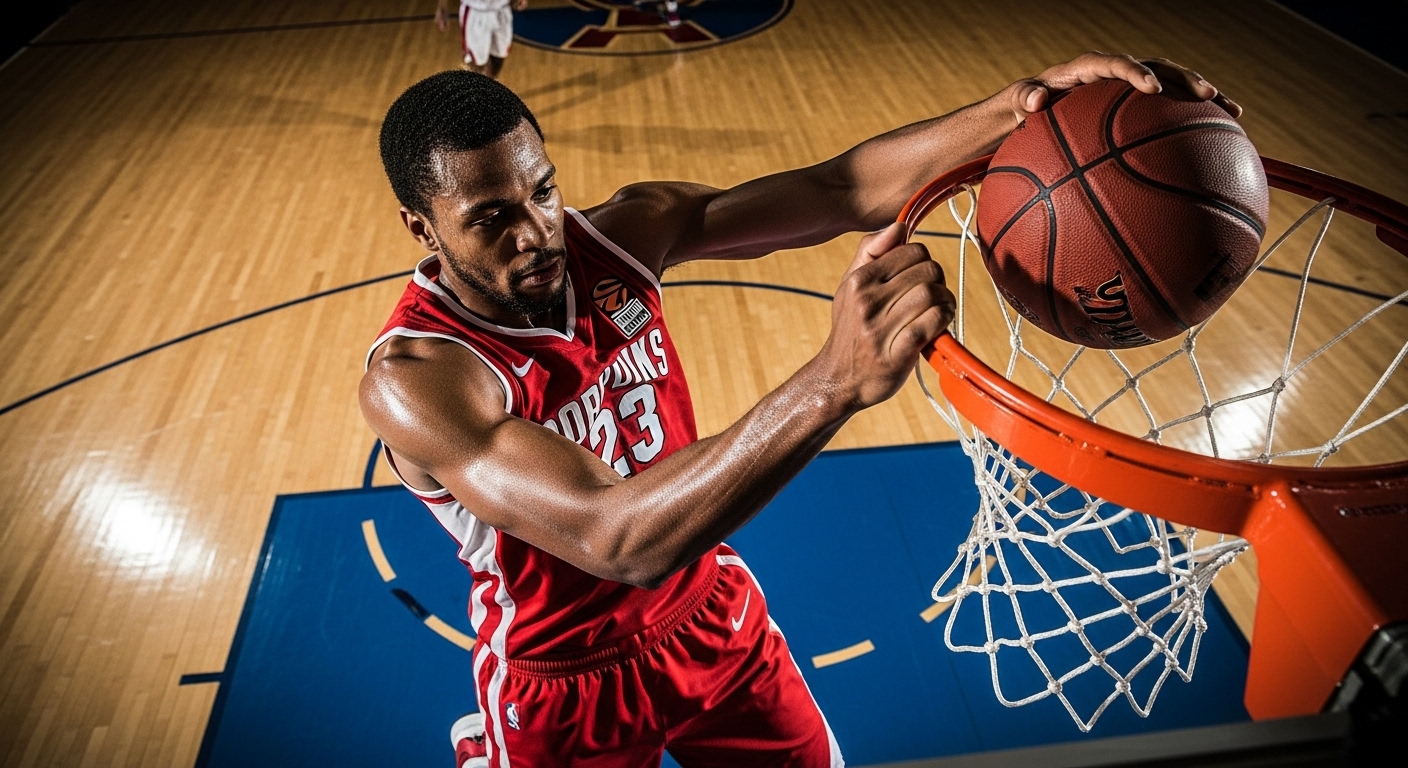

Mentorship has always been one of the most powerful forces behind the success of athletes. While raw talent, dedication, and hard work are essential, the guidance of experienced mentors often becomes the defining factor that shapes an athlete’s journey. From childhood development to professional stardom, mentorship provides knowledge, emotional support, discipline, and perspective that help athletes overcome challenges and unlock their potential. The role of mentorship in sports success is not simply about coaching techniques but also about instilling values, offering encouragement, and providing a vision for the future.
The Importance of Mentorship in Early Stages
For young athletes, the presence of a mentor is invaluable. At an early age, children are still discovering their abilities and passions. A good mentor, whether a coach, teacher, or senior player, helps guide this discovery process. They introduce young athletes to the fundamentals of the sport, correct mistakes, and cultivate confidence. More importantly, mentors often recognize potential before the athlete themselves can see it. Encouragement during these formative years can be the difference between a child giving up on sports or continuing toward mastery.
In addition, early mentorship helps instill discipline. Young athletes learn not just how to play the game, but how to respect rules, manage time, and maintain focus. These lessons extend far beyond the field or court, shaping character in ways that will serve them in both sports and life.
Mentors as Role Models
Athletes often look to mentors as role models. Seeing someone who has achieved success in the sport provides inspiration and a tangible example of what is possible. Role models show not only the end result of success but also the process—the long hours of training, the sacrifices, and the perseverance required. For many athletes, this modeling of behavior is more impactful than any speech or instruction.
Mentors who lead by example help athletes internalize values like hard work, humility, and resilience. They demonstrate how to handle victory with grace and how to face defeat with dignity. This modeling is especially important for young athletes who are impressionable and may otherwise learn poor habits from peers or external influences.
Building Confidence Through Guidance
Sports often test athletes physically and mentally, and self-doubt is a common obstacle. A mentor’s encouragement can make the difference between an athlete giving up or pushing forward. When athletes feel discouraged after a poor performance, a mentor’s belief in their abilities can reignite motivation.
Confidence is not built overnight, but through consistent guidance and reinforcement, mentors help athletes develop a sense of self-assurance. By offering constructive feedback and celebrating small victories, mentors empower athletes to trust their abilities. This confidence then carries over to competition, where belief in oneself can be as critical as physical preparation.
The Mentor-Coach Relationship
In many cases, coaches act as mentors. A coach’s role extends beyond strategy and training. Great coaches understand that developing an athlete’s character and mindset is just as important as improving physical skills. They provide mentorship by setting expectations, motivating their players, and teaching life lessons through sport.
The best mentor-coaches are those who balance discipline with compassion. They push athletes to their limits but also support them through setbacks. This balance creates a trust-based relationship where athletes feel safe to take risks, make mistakes, and learn from them. Over time, this dynamic builds resilience and equips athletes with tools to handle pressure in both sports and life.
Peer Mentorship in Sports
Mentorship is not always top-down. In many cases, senior teammates act as mentors for younger players. Peer mentorship creates a sense of camaraderie and continuity within teams. Experienced players guide newcomers through unwritten rules, team culture, and the pressures of competition.
This type of mentorship is especially vital in sports with strong traditions, where younger athletes are expected to carry forward the values and spirit of the team. Peer mentors help foster belonging, ensuring that young athletes feel integrated and supported. This sense of inclusion often strengthens team bonds and contributes to collective success.
Mentorship and Mental Strength
One of the most overlooked aspects of mentorship is its impact on an athlete’s mental strength. Sports can be emotionally draining, with constant pressures from competition, media, and personal expectations. Mentors act as a steady voice during turbulent times, teaching athletes coping mechanisms for stress and anxiety.
Many athletes experience slumps, injuries, or setbacks that test their resolve. Having a mentor who has walked a similar path provides perspective and reassurance. A mentor’s guidance helps athletes see beyond temporary struggles, keeping their focus on long-term goals. This resilience becomes a critical ingredient in achieving lasting success.
Lifelong Impact Beyond Sports
The influence of mentorship does not end when an athlete’s career does. The lessons learned through mentorship extend into every aspect of life. Athletes often become leaders, entrepreneurs, or mentors themselves, passing on what they received to the next generation. The discipline, resilience, and confidence nurtured by mentors become invaluable in careers and personal endeavors beyond sports.
Many retired athletes attribute their success off the field to the principles and values instilled by their mentors. Whether it is learning the importance of teamwork, perseverance, or integrity, the impact of mentorship resonates far beyond athletic achievements.
Famous Examples of Mentorship in Sports
History is filled with stories of legendary mentorships that have shaped great athletes. Michael Jordan often credited his college coach Dean Smith for instilling discipline and teaching him the fundamentals of teamwork. Serena and Venus Williams were guided by their father, Richard Williams, whose mentorship helped them break barriers in tennis. Lionel Messi often acknowledged the role of coaches and senior players who believed in him when he was still a young boy in Barcelona’s academy.
These examples highlight how mentorship does not always come from one source. Sometimes it is a coach, other times a parent, and in many cases a teammate or friend. The common thread is the lasting influence that mentors have on shaping an athlete’s mindset and career trajectory.
The Cycle of Mentorship
Perhaps one of the most beautiful aspects of mentorship in sports is its cyclical nature. Athletes who benefited from mentorship often become mentors themselves. They pass down knowledge, wisdom, and encouragement to younger players, continuing the tradition. This cycle ensures that the values of sportsmanship, hard work, and perseverance are preserved across generations.
By becoming mentors, former athletes also gain fulfillment and a renewed sense of purpose. Guiding others through challenges reminds them of their own journey and allows them to give back to the sport that shaped their lives.
Conclusion
The role of mentorship in sports success cannot be overstated. While talent and training are necessary, it is mentorship that often unlocks an athlete’s true potential. Mentors guide, inspire, and support athletes at every stage of their journey, helping them navigate both triumphs and setbacks. They shape not only athletic performance but also character, resilience, and confidence.
Sports may be about competition, but behind every great athlete stands a mentor who played a crucial role in their development. As mentorship continues to shape generations of athletes, it reinforces the idea that success in sports is not just about individual effort but also about the wisdom and support passed down from those who came before.