
Introduction
Sports have been an integral part of human civilization for thousands of years. They transcend language, culture, and geography, uniting people from all walks of life through shared passion and competition. From ancient contests in Greece to global spectacles like the Olympics and the FIFA World Cup, sports have evolved into a universal language of physical excellence, discipline, teamwork, and national pride.
In every corner of the world, sports serve as both entertainment and education. They teach lessons about resilience, leadership, and the pursuit of excellence. Whether it is a child kicking a ball in a dusty street or a professional athlete performing before millions, sports embody the spirit of human potential.
This blog explores the evolution, significance, psychology, and future of sports. It examines how athletics shape individuals, communities, and societies, and why sports remain one of the most powerful cultural forces in the world.
The Origins of Sports
The history of sports dates back to prehistoric times when physical competition was part of daily survival. Early humans ran, hunted, wrestled, and threw objects not for entertainment but as vital life skills. Over time, these actions evolved into organized competitions.
Ancient civilizations like Egypt, Greece, China, and Rome played a significant role in shaping modern sports. The ancient Egyptians practiced early forms of archery, swimming, and wrestling. In Greece, the Olympic Games were established around 776 BC, celebrating physical prowess and divine favor. These games became the foundation of global athletic culture, emphasizing honor, discipline, and excellence.
Meanwhile, ancient Chinese dynasties promoted sports like martial arts and gymnastics for military and spiritual purposes. In Rome, gladiatorial contests represented both entertainment and politics, showing how sports could reflect societal values.
These early traditions laid the groundwork for modern sports systems—where organized competition, codified rules, and spectator involvement became central.
The Globalization of Sports
As societies expanded through exploration, trade, and colonization, sports traveled across continents. Games like cricket, soccer, and tennis spread rapidly due to European influence. Soccer became a unifying force, transcending national boundaries and evolving into the world’s most popular sport.
In the 19th and 20th centuries, international organizations formalized competitions. The revival of the Olympic Games in 1896 symbolized the beginning of global sports diplomacy. Sports events soon became more than competition—they became a stage for nations to showcase pride, unity, and talent.
Technological advancements, especially television and later the internet, accelerated this globalization. Matches once confined to local audiences became global spectacles. Today, fans can watch live games from thousands of miles away, creating shared global experiences that unite billions.
Sports as a Reflection of Society
Sports often mirror social and political realities. They can inspire progress or reveal societal inequalities. For example, racial integration in sports symbolized broader civil rights movements, as seen when Jackie Robinson broke baseball’s color barrier in 1947. Similarly, women’s participation in professional sports challenged long-standing gender norms and inspired equality movements worldwide.
International events like the Olympics have historically been platforms for political expression. The “Black Power” salute by Tommie Smith and John Carlos in 1968 remains a powerful statement against racial injustice. Sports are not isolated from the world—they reflect its struggles, triumphs, and transformations.
The Psychology of Sports Performance
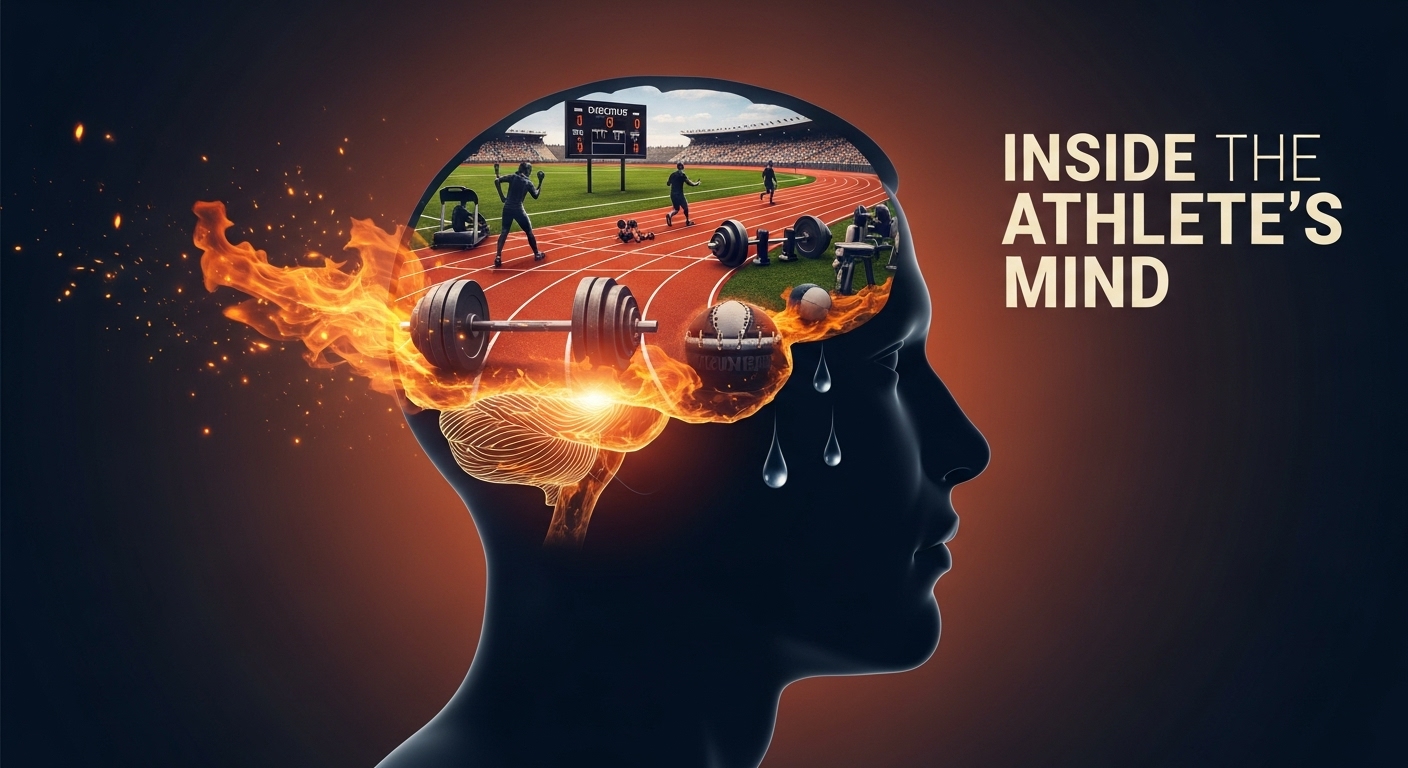
Behind every great athlete lies not just physical ability but psychological strength. Mental resilience, focus, and confidence are as essential as physical training. Sports psychology explores how mindset affects performance, helping athletes manage stress, pressure, and expectations.
Visualization techniques, goal-setting, and mindfulness are now standard parts of athletic preparation. The “flow state,” often called being “in the zone,” describes moments when athletes perform at their absolute peak with total concentration and harmony.
Moreover, dealing with defeat is as crucial as celebrating victory. Resilience—the ability to recover from loss or injury—defines champions. Athletes like Serena Williams, Michael Jordan, and Lionel Messi exemplify how mental toughness and persistence can sustain greatness over decades.
The Role of Sports in Education and Youth Development
Sports are powerful tools for education and character building. Schools and universities integrate athletics to promote teamwork, discipline, and leadership among students. Playing sports teaches time management, communication, and problem-solving skills that extend beyond the field.
For young people, sports provide a positive outlet for energy and emotion. They foster social connections and confidence, helping individuals cope with challenges in healthy ways. Youth sports programs around the world aim to reduce violence, promote inclusion, and encourage lifelong fitness habits.
In developing countries, sports initiatives also serve as vehicles for social change, helping disadvantaged youth find purpose and opportunity through athletic achievement.
Sports and Technology: A New Era
The digital age has revolutionized every aspect of sports. From performance tracking to broadcasting, technology now drives innovation both on and off the field. Wearable devices monitor heart rates, oxygen levels, and movement efficiency. Artificial intelligence helps coaches design training programs based on real-time data.
Instant replay and video analysis have made officiating more accurate, while virtual reality is being used to simulate game scenarios for training. Even fan engagement has transformed through social media, e-sports, and interactive platforms.
Athletes can now reach their audiences directly, building personal brands that transcend their sport. Technology has turned sports into a global digital ecosystem, where performance, entertainment, and data intersect.
The Economic Impact of Sports
Sports are not just about passion—they are also a multibillion-dollar industry. From ticket sales and merchandise to sponsorships and broadcasting rights, sports generate massive revenue streams. Major events like the Super Bowl, FIFA World Cup, and Olympic Games attract billions of viewers and inject billions into host economies.
Cities compete to host these events because of the tourism, infrastructure, and global visibility they bring. At the same time, professional leagues create thousands of jobs and business opportunities in marketing, media, logistics, and hospitality.
The commercialization of sports has also changed athlete status. Top players now earn fortunes through salaries and endorsements. Yet, this financial success brings new challenges, including managing fame, financial literacy, and maintaining authenticity.
The Evolution of Women in Sports
The journey of women in sports has been one of resilience and empowerment. For centuries, women were excluded from competitive athletics due to cultural biases. However, pioneers like Billie Jean King, Mia Hamm, and Serena Williams shattered stereotypes and opened doors for future generations.
The inclusion of more women’s events in the Olympics and the rise of professional leagues like the WNBA and women’s soccer have brought global recognition to female athletes. Despite ongoing disparities in pay and media coverage, the visibility of women in sports is growing rapidly.
Social media has amplified this movement, allowing female athletes to build their platforms, share their journeys, and inspire millions. The evolution of women in sports is not just a story of competition—it is a story of equality and empowerment.
The Cultural Power of Sports
Sports have the rare power to unite people beyond politics, religion, or nationality. When fans gather to support their team, they share a sense of belonging and collective identity. The roar of a stadium crowd, the national anthem before a match, and the emotional highs and lows of victory and defeat create shared memories that transcend generations.
Sports foster patriotism and pride but also promote mutual respect between nations. Rivalries like Brazil versus Argentina in soccer or India versus Pakistan in cricket highlight deep historical ties yet also bring moments of unity and admiration.
Moreover, sports have become a tool for diplomacy. Events such as the “ping-pong diplomacy” between the United States and China in the 1970s showed how athletic exchange can open doors to peace and understanding.
The Role of Nutrition and Fitness in Modern Sports
Modern athletes rely heavily on science-based nutrition and fitness programs to maintain peak performance. Gone are the days when raw talent alone guaranteed success. Today, every calorie, nutrient, and workout is meticulously planned.
Athletes consume balanced diets tailored to their sport, focusing on optimal ratios of carbohydrates, proteins, and fats. Hydration and recovery are equally vital, ensuring that muscles repair and energy levels remain consistent.
Sports science has introduced technologies such as biomechanical analysis, cryotherapy, and oxygen chambers to maximize recovery and reduce injury risks. These advances enable athletes to extend their careers and maintain top form for longer.
The Rise of E-Sports and New Athletic Frontiers
The definition of sports has expanded beyond physical activity. The rise of e-sports—competitive video gaming—has redefined what it means to be an athlete. Professional gamers now compete in global tournaments with massive audiences and million-dollar prizes.
E-sports require intense focus, coordination, and strategy, challenging traditional notions of athleticism. While physical movement is limited, the mental and reflexive demands are immense. The popularity of e-sports among younger generations suggests a future where virtual and physical sports coexist harmoniously.
This evolution demonstrates how sports continually adapt to technological and cultural shifts, ensuring they remain relevant across eras.
The Ethics and Challenges in Sports
While sports promote values of fairness and integrity, they are not without ethical challenges. Issues like doping, corruption, and exploitation tarnish the spirit of competition. Organizations like the World Anti-Doping Agency work tirelessly to ensure clean play, but violations still occur.
Another growing concern is mental health. The pressures of performance, media scrutiny, and social expectations can take a toll on athletes. Increasingly, sports institutions are recognizing the importance of psychological well-being and providing support systems.
Additionally, debates over inclusion—such as transgender participation and equal pay—highlight ongoing struggles for fairness and representation. Addressing these ethical issues is essential for preserving the integrity of sports.
Sports and the Environment
As major sports events grow in scale, their environmental impact becomes a concern. Large tournaments consume significant resources and produce vast amounts of waste. Fortunately, sustainability is becoming a core focus in modern sports management.
Stadiums are being designed with renewable energy systems, water recycling, and waste reduction programs. Athletes and organizations are also using their influence to promote environmental awareness, advocating for greener practices within and beyond the sports world.
Sports can be a powerful platform for driving environmental action because it connects with millions emotionally. When fans see their heroes promoting sustainability, they are inspired to make positive changes as well.
The Future of Sports
The future of sports will be shaped by innovation, inclusion, and sustainability. Technology will continue to redefine how we train, watch, and experience sports. Virtual reality, biometric data, and artificial intelligence will make sports more personalized and interactive.
Inclusivity will expand, with more opportunities for women, disabled athletes, and marginalized groups. Adaptive sports and the Paralympic movement will continue to challenge perceptions of ability, proving that the spirit of competition knows no limits.
Furthermore, as society becomes more health-conscious, recreational sports will gain even greater importance. People of all ages are recognizing the role of physical activity in mental and physical well-being, strengthening the cultural significance of sports at every level.
Conclusion
Sports are far more than games—they are reflections of humanity itself. They embody discipline, passion, unity, and progress. From ancient arenas to high-tech stadiums, from backyard play to Olympic glory, sports tell the story of human resilience and ambition.
In every athlete’s struggle and every fan’s cheer lies a reminder that competition is not just about winning but about striving to be better. Sports unite people, bridge divides, and inspire generations to dream beyond their limits.
As technology evolves and society changes, the essence of sports remains timeless—the pursuit of excellence, the joy of movement, and the celebration of what it means to be human.