Introduction: The Global Phenomenon of Sports
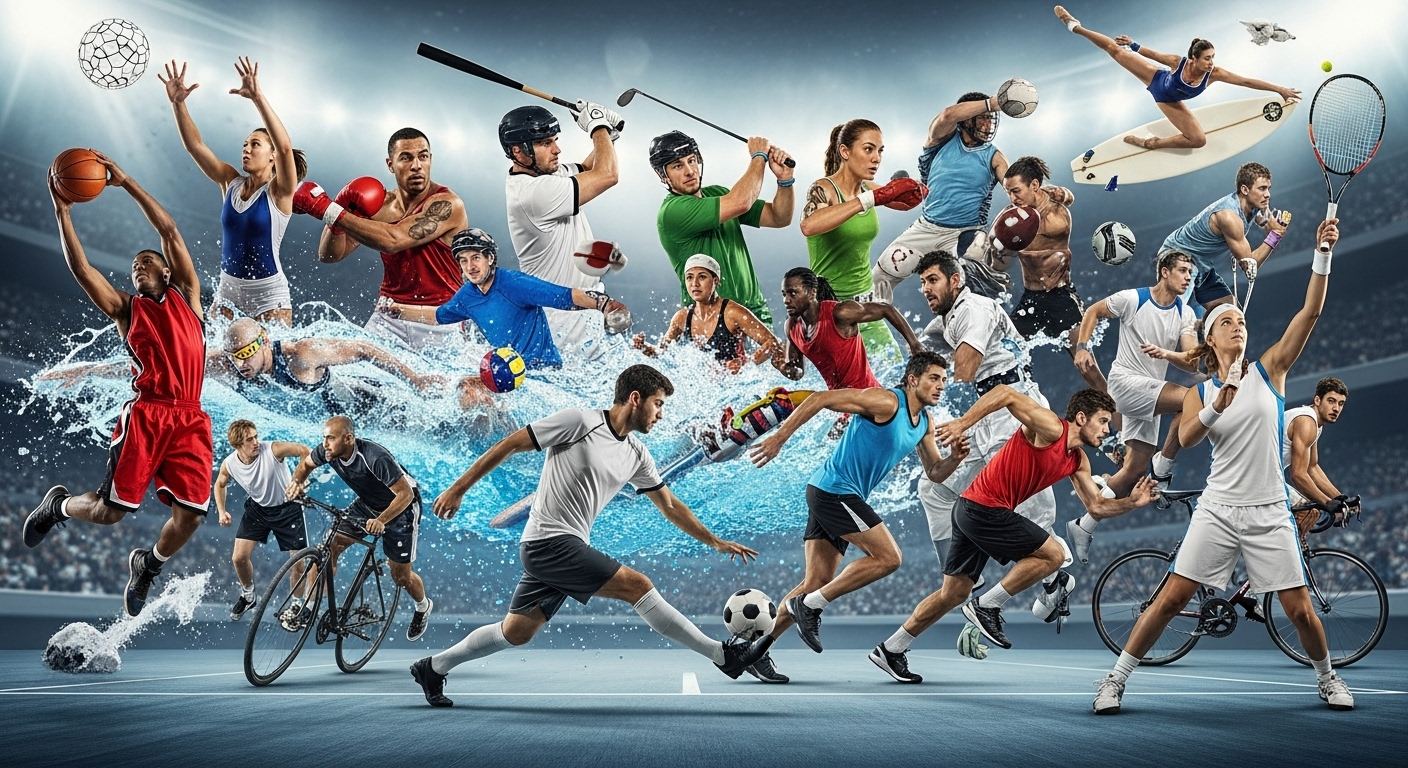
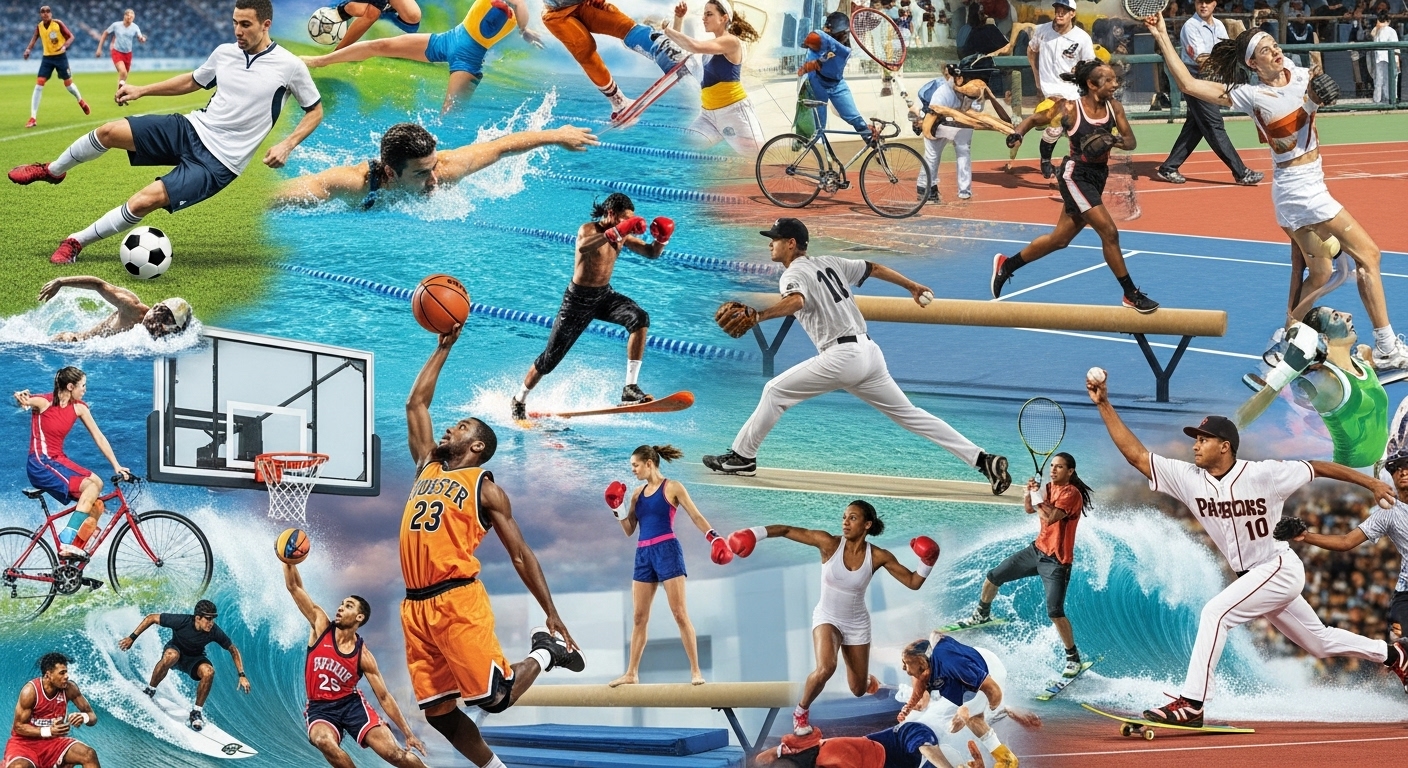
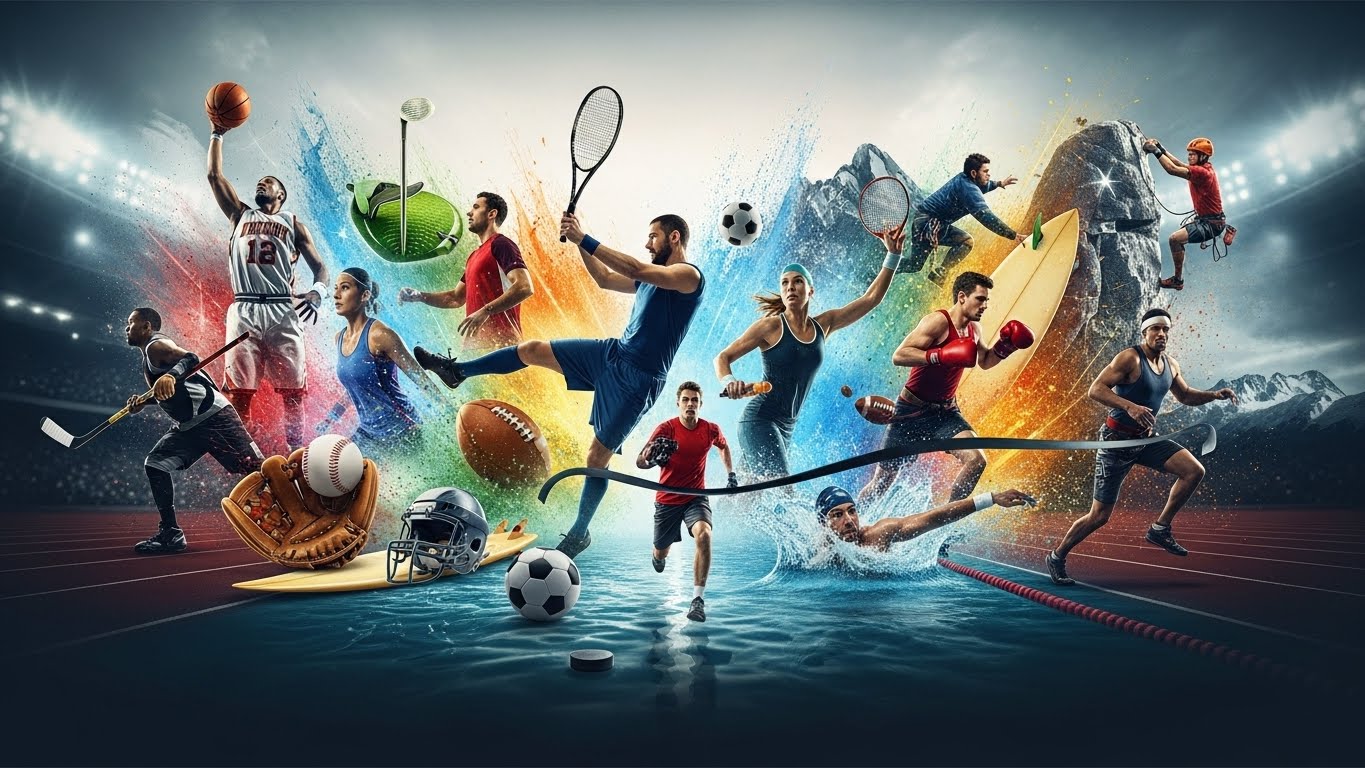
Sports have always played a pivotal role in shaping societies and cultures around the world. From ancient civilizations to modern-day times, sports have provided not only a means of entertainment but also a platform for personal growth, social interaction, and physical development. Whether it’s through participating in local games or watching international competitions, sports have become a universal language that transcends borders and unites people from all walks of life.
While sports have always been important, their significance has grown exponentially over the past century. With the rise of global events like the FIFA World Cup, the Olympics, and the NBA Finals, sports have become integral to the fabric of modern life. But beyond the glitz and glamour of professional leagues, sports play a crucial role in individual well-being, community engagement, and societal development.
In this blog post, we will explore the multifaceted role of sports in contemporary society, focusing on their history, types, benefits, and cultural impact. We’ll also delve into the challenges that the world of sports faces today and how they continue to evolve in response to changing social and technological trends.
A Brief History of Sports: From Ancient Traditions to Modern Competitions
Sports are as old as human civilization. The earliest records of athletic events can be found in ancient civilizations such as Egypt, Greece, and Mesopotamia. The ancient Egyptians held chariot races and wrestling matches, while the Greeks formalized athletic competitions through the Olympic Games, first held in 776 BCE in Olympia. The Olympics were a major cultural event, where athletes from various Greek city-states competed for honor and glory, often in the name of their gods.
In Rome, sports became an important part of public entertainment. Gladiatorial combat, animal fights, and chariot races were popular among the masses, though they were often violent and brutal. These forms of entertainment were held in grand amphitheaters such as the Colosseum, where tens of thousands of spectators gathered.
As time progressed, the concept of sport evolved. In medieval Europe, tournaments and jousting events were held as a display of martial prowess and nobility. It wasn’t until the 19th century that the modern concept of sport began to take shape. With the rise of industrialization, cities grew, and public leisure activities became more organized. Rules for games like football (soccer), basketball, and baseball were formalized, and national leagues began to emerge.
In 1896, the first modern Olympic Games were held in Athens, symbolizing the unification of the world through sport. This marked a significant turning point in the history of sports, as the games became a global event, bringing together athletes from different cultures and backgrounds to compete in a spirit of peace and cooperation.
Today, sports continue to be an essential part of human culture, with international events like the Olympics, World Cup, and Super Bowl attracting millions of viewers globally.
Types of Sports: A World of Diverse Competitions
Sports can be classified into several categories based on the nature of competition, the number of participants, and the environment in which they are played. Below, we break down the major types of sports that dominate the global stage.
1. Team Sports: Collaboration and Unity
Team sports are those that involve two or more players working together to achieve a common goal. These sports emphasize cooperation, communication, and collective strategy. Some of the most popular team sports include:
- Football (Soccer): The most popular sport in the world, football involves two teams of 11 players each. The objective is to score goals by getting the ball into the opponent’s net, using only the feet, chest, or head. Football is celebrated for its simplicity, with its universal appeal transcending language and cultural barriers.
- Basketball: Played with two teams of five players on a rectangular court, basketball is known for its fast-paced action and high-scoring games. Teams attempt to score by shooting a ball through a hoop, while also defending against the opposing team’s efforts to score.
- Rugby: A contact sport played by two teams, rugby requires players to carry, pass, and kick the ball to score points. Rugby is popular in countries like New Zealand, South Africa, and England, where its physical and strategic nature attracts millions of fans.
- Cricket: Popular in countries such as India, Australia, and England, cricket is a bat-and-ball game involving two teams of 11 players. The game can last for hours or even days, with players working together to score runs while also defending their wickets.
Team sports require individuals to work together towards a common objective. Success in these sports hinges on the ability to communicate effectively, support teammates, and share responsibility. The team dynamic teaches valuable lessons in leadership, accountability, and collaboration.
2. Individual Sports: Self-Determination and Achievement
In contrast to team sports, individual sports focus on the performance of a single athlete. These sports require a high degree of personal discipline, self-motivation, and mental fortitude. Popular individual sports include:
- Tennis: Played on a rectangular court, tennis is a fast-paced sport where players use rackets to hit a ball over a net. Players can compete in singles or doubles matches, with the goal of scoring by hitting the ball in such a way that the opponent cannot return it.
- Athletics (Track and Field): This category encompasses a wide variety of events, such as running, jumping, and throwing. Track and field is one of the oldest forms of competition and is popular worldwide, especially during the Summer Olympics.
- Swimming: A water-based sport that requires athletes to swim various distances using different strokes such as freestyle, backstroke, breaststroke, and butterfly. Swimming is widely regarded as an excellent form of exercise that builds strength and endurance.
- Gymnastics: In gymnastics, athletes perform routines that combine strength, balance, and flexibility. Gymnasts are judged based on their performance on various apparatus, including the balance beam, vault, and uneven bars.
While team sports emphasize collaboration, individual sports highlight personal achievement. Athletes in these sports often train alone, pushing themselves to improve and compete at their best. These sports foster qualities such as resilience, mental toughness, and goal-setting.
3. Combat Sports: Strength, Strategy, and Discipline
Combat sports involve physical confrontation between two opponents, where the objective is to overpower or outmaneuver the other. These sports require a combination of strength, skill, and mental focus. Some of the most well-known combat sports include:
- Boxing: A combat sport where two fighters use their fists to land punches on their opponent. The goal is to either knock out the opponent or outscore them through a series of rounds.
- Mixed Martial Arts (MMA): A modern combat sport that combines elements of boxing, wrestling, Brazilian jiu-jitsu, and other martial arts. MMA fighters compete in a cage and use a combination of striking and grappling techniques to defeat their opponent.
- Judo: A Japanese martial art that focuses on throws, joint locks, and pins. Judo is an Olympic sport where athletes use their opponent’s weight and momentum against them to achieve victory.
- Wrestling: A grappling-based sport in which two opponents attempt to control each other through holds and takedowns. Wrestling is practiced at both the amateur and professional levels, and it requires both strength and technique.
Combat sports offer an intense and dynamic competition, where physical and mental strategy are crucial. They teach discipline, focus, and respect for one’s opponent, all while testing the limits of endurance and strength.
4. Extreme Sports: Pushing the Boundaries of Human Potential
Extreme sports, also known as action sports, are high-risk activities that push the boundaries of human endurance and skill. These sports are often done in natural, extreme environments, where athletes engage in dangerous feats. Some popular extreme sports include:
- Skateboarding: Skateboarding involves performing tricks and stunts while riding a skateboard, either on the streets or in skate parks. The sport is known for its creativity and innovation, with skateboarders constantly inventing new tricks.
- Snowboarding: Snowboarding involves descending snowy slopes on a single board. Athletes perform tricks and maneuvers, including aerial flips and spins, in freestyle competitions or race against the clock in alpine events.
- Rock Climbing: A sport that involves scaling vertical rock formations using various techniques and tools. Rock climbing requires strength, flexibility, and mental concentration.
- Bungee Jumping: One of the ultimate adrenaline experiences, bungee jumping involves jumping from a height while attached to a cord. The freefall and the subsequent bounce give thrill-seekers an unparalleled rush.
Extreme sports are for those seeking intense physical challenges and an adrenaline boost. They test athletes’ courage and resilience, offering an outlet for those who crave adventure and excitement.
The Far-Reaching Benefits of Sports
Sports offer far more than just physical health benefits. From enhancing mental well-being to building social connections, sports have a profound effect on individuals and communities alike.
1. Physical Health Benefits
Regular participation in sports improves cardiovascular health, builds muscle strength, enhances flexibility, and boosts overall fitness. Sports also help reduce the risk of chronic diseases such as diabetes, obesity, and hypertension. Engaging in physical activity strengthens the immune system and improves stamina, contributing to an overall healthy lifestyle.
2. Mental Health Benefits
Sports have a positive impact on mental well-being. Physical activity releases endorphins, which are chemicals that help improve mood and reduce stress. Playing sports helps alleviate symptoms of anxiety and depression, boosting self-esteem and fostering a positive outlook on life.
3. Social Benefits
Sports foster a sense of community. Whether playing on a team or attending a local game, sports create opportunities for socializing and building relationships. Team sports, in particular, promote teamwork, communication, and trust—skills that can be carried over into all areas of life. Sports also help bridge social divides, offering a platform for individuals from diverse backgrounds to come together and share common interests.
4. Personal Growth and Discipline
Sports teach important life lessons, such as perseverance, discipline, and time management. Athletes learn how to set goals, work toward achieving them, and handle failure. Sports also promote self-confidence, as individuals see firsthand the results of their hard work and determination. These qualities extend beyond sports and contribute to success in personal, academic, and professional endeavors.
Conclusion: The Enduring Power of Sports
Sports are more than just a pastime—they are a powerful force that shapes individuals and societies. Through their ability to promote physical health, mental well-being, and social cohesion, sports have a unique ability to influence people’s lives in profound ways. From their ancient origins to their modern-day global significance, sports continue to evolve, bringing together people from all over the world.
Whether you participate in sports for fun, fitness, or competition, or whether you’re a fan of a particular sport, it’s clear that sports hold a special place in our lives. As long as people continue to seek connection, personal growth, and entertainment, sports will remain an integral part of human culture, pushing the boundaries of human potential and uniting us all in the pursuit of excellence.