
Introduction: Sports as a Universal Force
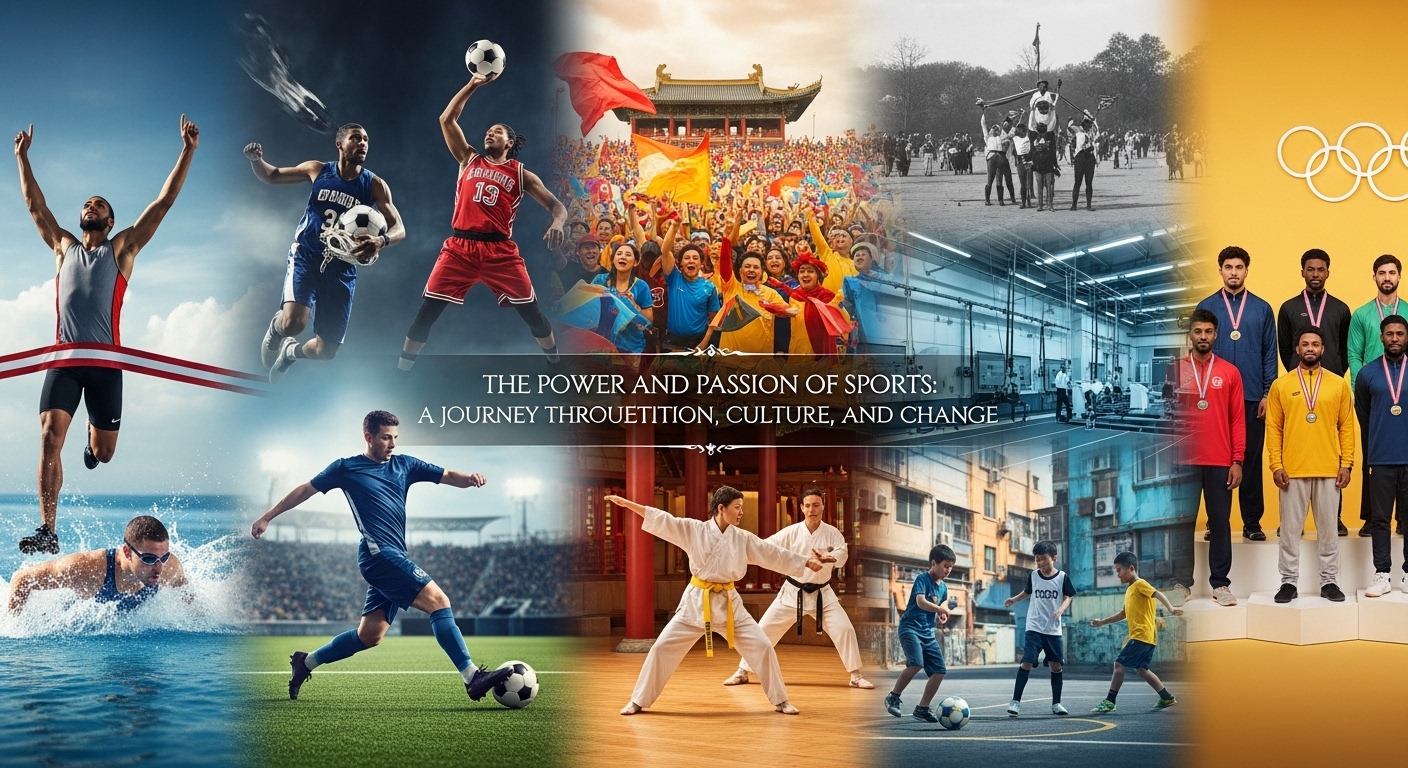
Sports have been an integral part of human civilization since ancient times. Beyond entertainment, they represent dedication, discipline, and determination. From village fields to professional stadiums, sports unify people across cultures, ages, and backgrounds. They are more than just games; they shape character, foster social cohesion, and reflect the spirit of human endeavor. In an increasingly interconnected world, sports serve as a universal language, bridging differences and inspiring individuals to strive for excellence.
The Evolution of Sports
The journey of sports mirrors the evolution of human society. Ancient civilizations engaged in physical competitions for leisure, survival skills, and religious purposes. The Greeks formalized athletics through the Olympic Games, celebrating physical strength and endurance. Over centuries, sports transformed from local contests to organized leagues and international competitions. Today, technological advancements, professional management, and global audiences have turned sports into a powerful cultural and economic force, reflecting societal values and innovation.
Physical Health Benefits
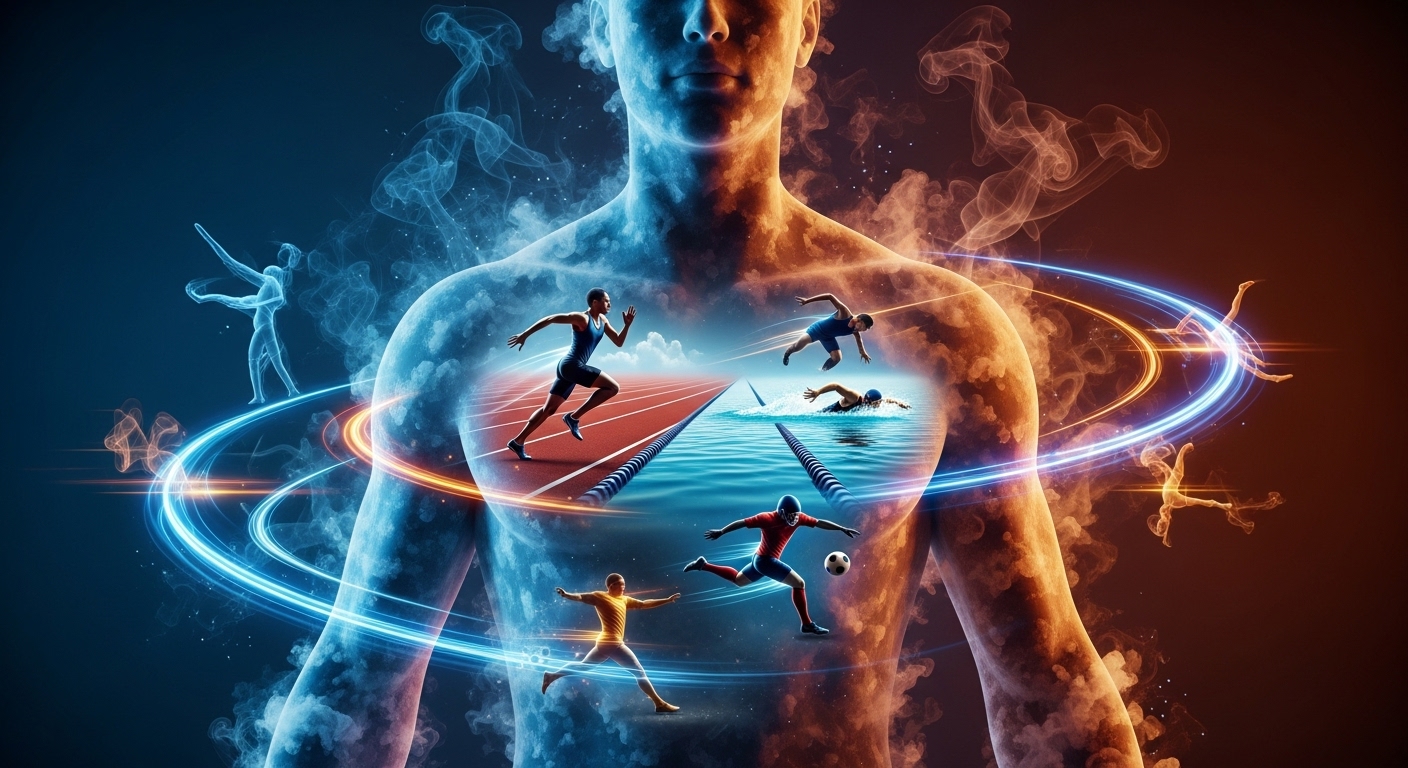
One of the most evident benefits of sports is physical well-being. Regular participation improves cardiovascular fitness, flexibility, strength, and endurance. Engaging in sports reduces the risk of chronic illnesses, promotes weight management, and strengthens the immune system. For children and adolescents, sports help develop coordination, motor skills, and healthy growth patterns. Beyond health, physical activity through sports enhances energy levels, stamina, and overall vitality, forming a foundation for a lifetime of wellness.
Mental and Emotional Advantages
Sports are equally beneficial for mental health. They enhance focus, concentration, and problem-solving skills. Competing in sports teaches resilience, perseverance, and coping mechanisms for handling victories and setbacks. Team sports foster social interaction, empathy, and collaboration, while individual sports develop self-discipline and personal accountability. The psychological benefits of sports include stress relief, increased self-esteem, and emotional balance. By combining physical exertion with mental engagement, sports create holistic personal development.
The Importance of Teamwork
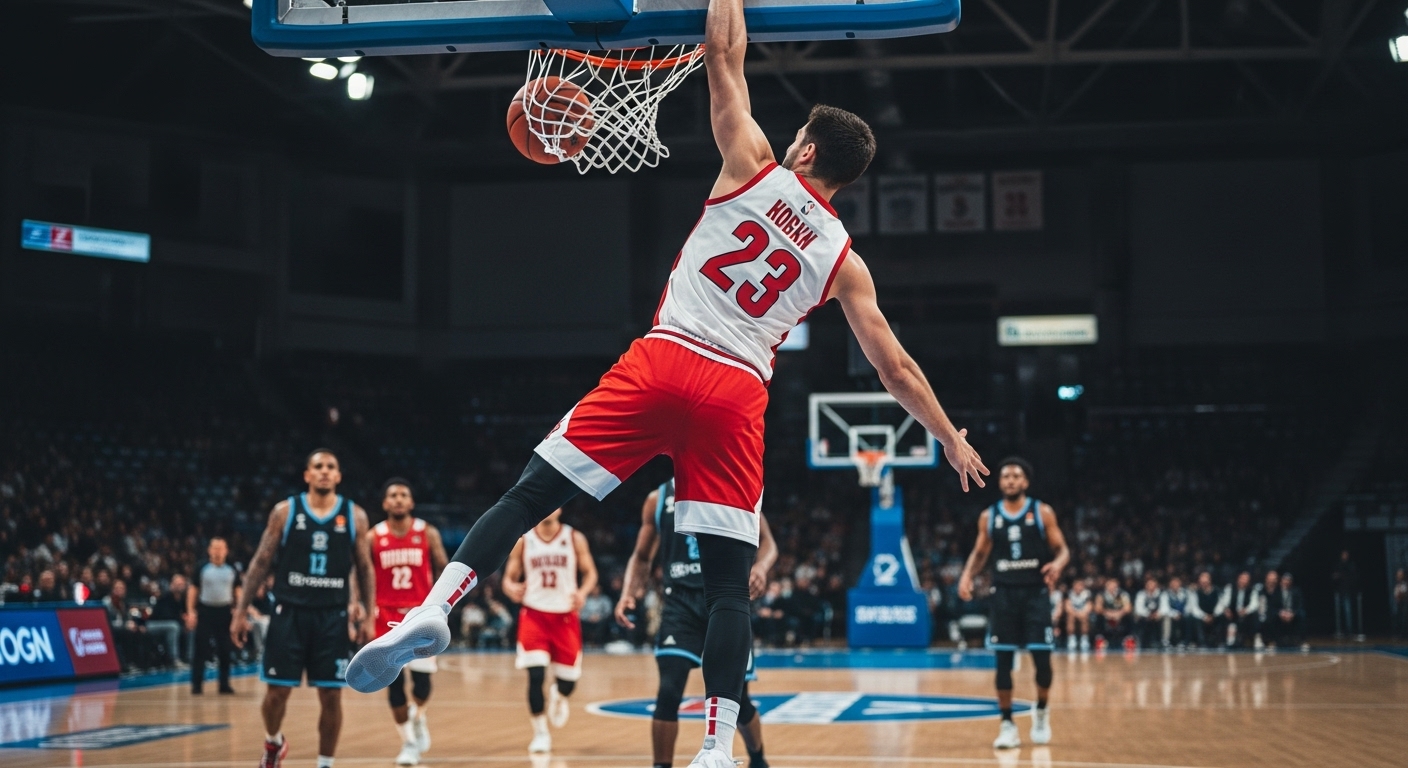
Team sports like football, cricket, and basketball teach essential skills beyond physical ability. Effective communication, collaboration, and shared strategy are crucial for success. Players learn to trust and support each other, understanding that collective effort often outweighs individual talent. These lessons translate into real-life skills, such as leadership, conflict resolution, and cooperation in professional and social environments. Teamwork in sports reinforces the value of community, trust, and shared responsibility.
Sports as a Catalyst for Social Change
Throughout history, sports have acted as a platform for social transformation. Athletes often use their influence to challenge discrimination, promote equality, and advocate for human rights. From breaking racial barriers to inspiring gender equality, sports amplify voices for change. Major sporting events bring attention to social issues, encouraging public discussion and awareness. By uniting people around shared goals, sports can drive social reform, foster inclusivity, and create role models for future generations.
Economic Impact of Sports
Sports contribute significantly to global and local economies. Professional leagues, tournaments, and sporting events generate revenue through ticket sales, sponsorships, merchandise, and broadcasting rights. Local economies benefit from tourism, job creation, and infrastructure development. Investments in stadiums, training facilities, and youth programs also support community growth. Beyond monetary aspects, sports promote social capital, encouraging community engagement, teamwork, and shared identity.
Technological Advancements in Sports
Technology has transformed how sports are played, analyzed, and experienced. Video analysis, wearable trackers, and performance-monitoring systems help athletes optimize training and prevent injuries. Innovations such as instant replay and goal-line technology ensure fairness and accuracy in competitions. Virtual and augmented reality offer immersive experiences for fans, while artificial intelligence supports strategy development and opponent analysis. Technology enhances both the athletic and spectator experience, making sports more dynamic, engaging, and precise.
Women in Sports: Breaking Barriers
Women’s participation in sports has grown significantly, challenging stereotypes and reshaping societal expectations. Female athletes now compete at elite levels, achieving global recognition and inspiring new generations. Increased media coverage, sponsorship, and policy support have empowered women to pursue sports professionally. Beyond physical achievement, women in sports represent equality, resilience, and determination. Their contributions encourage inclusivity, demonstrating that talent and dedication know no gender.
Sports in Education
Incorporating sports into education provides holistic development for students. School and college sports programs enhance physical fitness, teamwork, discipline, and time management. Participation fosters leadership, confidence, and resilience. Sports-based learning promotes cognitive skills, strategic thinking, and problem-solving. Students engaged in sports often excel academically, as physical activity enhances focus and energy levels. Education combined with sports prepares individuals for challenges in both personal and professional life.
International Competitions and Cultural Exchange
Major sporting events such as the Olympics, World Cup, and Commonwealth Games foster global unity and cultural exchange. These competitions showcase athletic excellence while celebrating diverse cultural traditions. Athletes act as ambassadors, representing their nations with pride and integrity. Spectators gain exposure to global customs, fostering understanding and respect across cultures. International sports cultivate diplomacy, mutual appreciation, and a sense of global community, demonstrating the unifying power of athletic competition.
Esports and the Future of Sports
The rise of esports marks a new dimension in sports. Competitive gaming attracts millions of participants and viewers worldwide, blending technology with traditional concepts of competition. Esports encourages strategic thinking, teamwork, and rapid decision-making. Digital platforms create communities, allowing players to connect across borders. The growth of esports highlights the evolving nature of sports, where virtual environments complement physical competitions and broaden participation opportunities.
Health and Nutrition in Sports
Optimal performance in sports requires more than physical ability; nutrition and health management are critical. Athletes follow specialized diets, monitor hydration, and adopt recovery strategies to maintain peak performance. Advances in sports science provide insights into injury prevention, endurance, and strength development. Understanding the relationship between diet, exercise, and performance ensures that athletes achieve long-term health and sustained excellence in their respective fields.
The Role of Leadership in Sports
Leadership is a fundamental aspect of both individual and team sports. Captains, coaches, and mentors guide players, foster motivation, and strategize for success. Leadership in sports teaches accountability, vision, and adaptability. Effective leaders inspire trust, instill discipline, and nurture talent. The principles of leadership learned in sports are transferable to workplaces, communities, and personal life, demonstrating how athletic environments cultivate responsible and visionary individuals.
Sports and Mental Resilience
Sports demand mental toughness as much as physical ability. Athletes must overcome pressure, setbacks, injuries, and competition stress. Building mental resilience enables individuals to maintain focus, confidence, and determination under challenging circumstances. Techniques such as visualization, goal setting, and mindfulness are used to strengthen mental endurance. Sports cultivate resilience not just for the playing field but also for life’s unpredictable challenges.
Community and Grassroots Sports
Grassroots sports programs play a vital role in fostering participation and talent development. Local clubs, community leagues, and school initiatives provide access to sports for people of all ages. Grassroots programs promote inclusivity, teamwork, and healthy lifestyles. They serve as pipelines for professional sports, nurturing young talent while instilling values of discipline, respect, and fair play. Community-level engagement ensures that sports are accessible and beneficial to society as a whole.
Conclusion: The Enduring Significance of Sports
Sports are more than entertainment—they are a catalyst for personal growth, social cohesion, and cultural identity. They promote physical health, mental resilience, teamwork, and leadership while driving economic, social, and technological progress. From grassroots programs to international competitions, sports inspire individuals and unite communities across the globe. As technology evolves and inclusivity expands, sports will continue to shape human experiences, demonstrating the enduring power of play, competition, and collective achievement. Sports are not just games; they are a reflection of human potential, ambition, and the pursuit of excellence.