Introduction
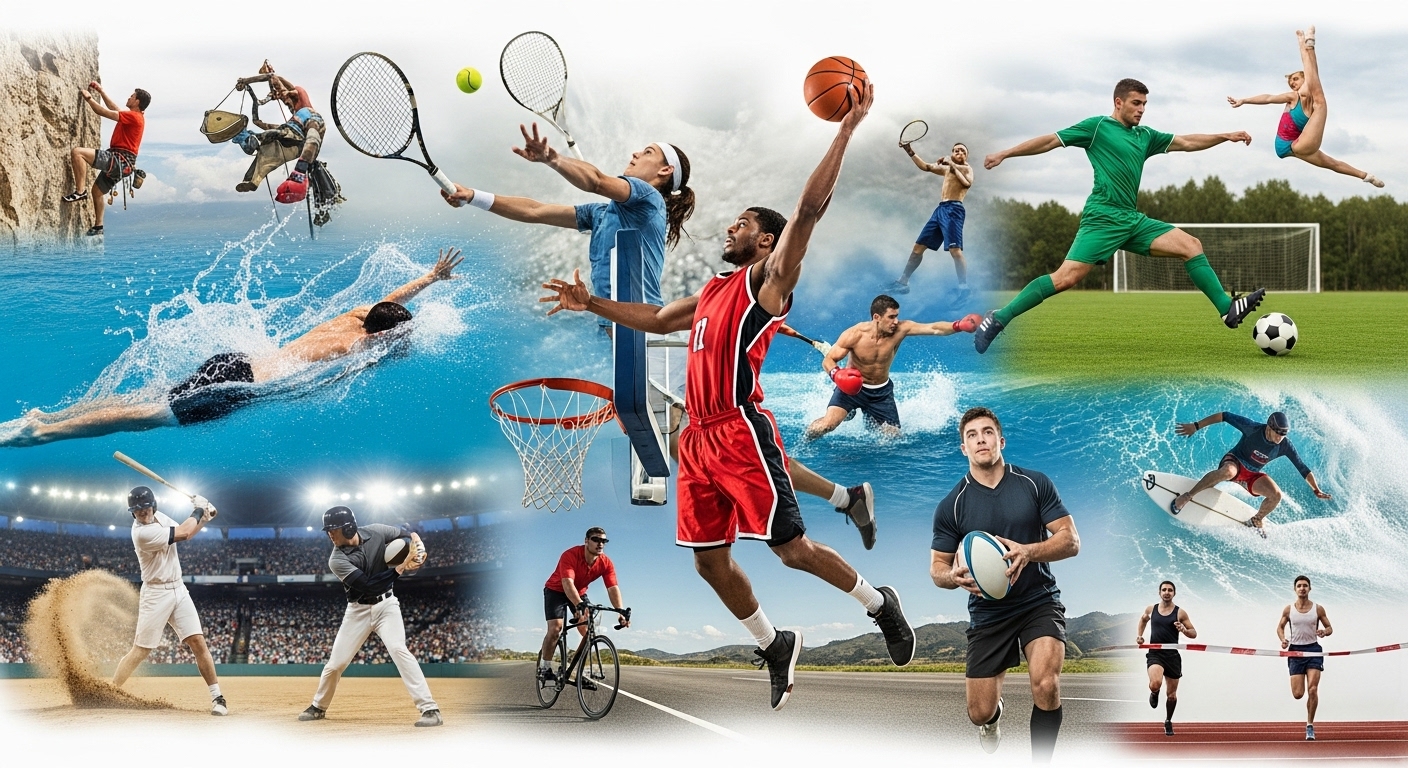
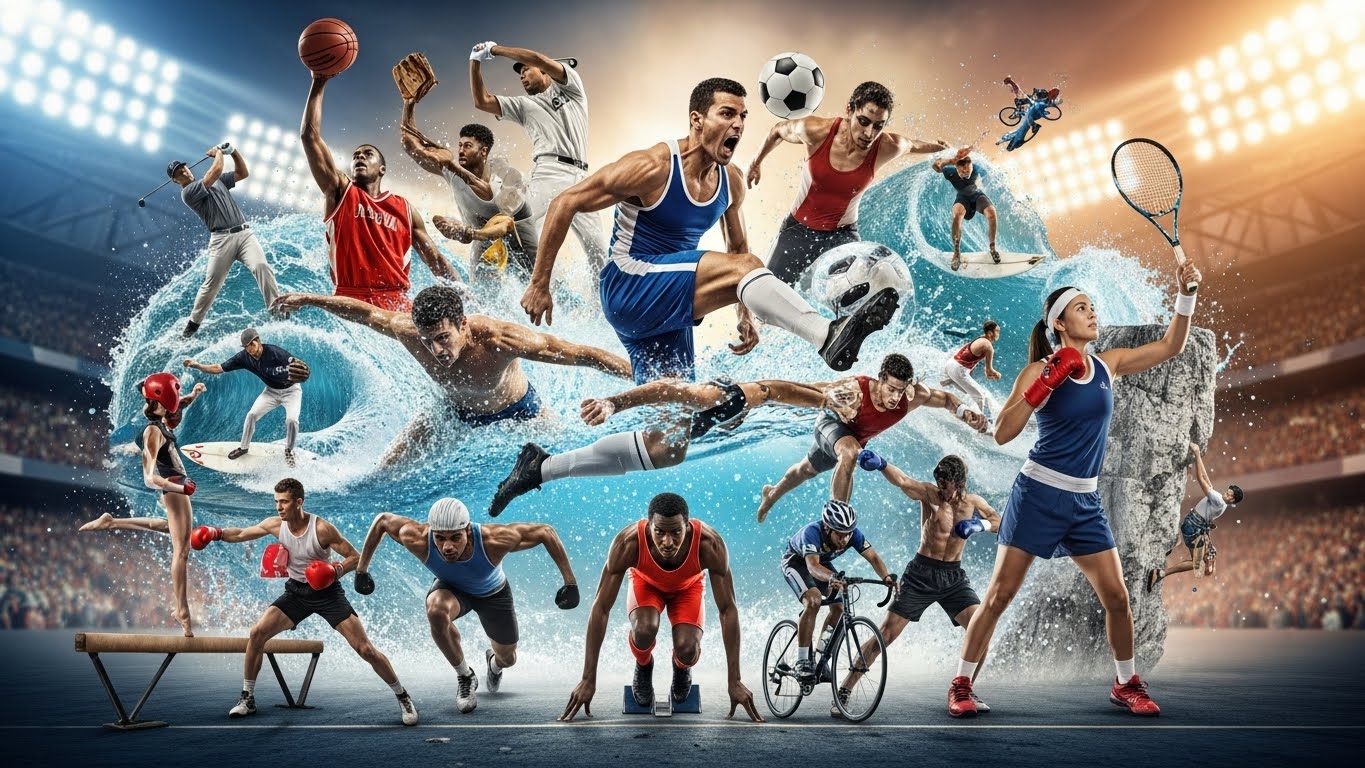
Sports are more than just games or competitions; they are a reflection of human potential, perseverance, and passion. From the thrill of a last-minute goal to the quiet dedication of early morning training, sports shape individuals and communities in profound ways. They teach life skills, foster social bonds, and even influence culture on a global scale. This blog explores the multifaceted role of sports, examining their physical, mental, and societal benefits, while highlighting their power to inspire and unite people across the world.
The Historical Importance of Sports
The significance of sports dates back thousands of years. Ancient civilizations, including the Greeks, Egyptians, and Romans, viewed sports as a vital part of life. The Olympic Games, first held in 776 BC in Olympia, Greece, demonstrated the importance of physical excellence, competition, and unity. Over centuries, sports evolved, encompassing various forms such as martial arts, ball games, and racing events. Today, major tournaments like the FIFA World Cup, the Olympics, and international cricket championships bring together nations and fans, showcasing the universal appeal of sports.
Physical Benefits of Sports
Engaging in sports promotes overall physical health. Regular activity strengthens muscles, improves cardiovascular fitness, enhances flexibility, and helps maintain a healthy weight. High-intensity sports like basketball, soccer, and swimming improve endurance and agility, while low-impact activities such as yoga or walking-based sports support joint health. Sports also reduce the risk of chronic diseases, including diabetes, heart disease, and hypertension. Beyond physical fitness, participating in sports develops discipline, perseverance, and healthy lifestyle habits that benefit daily life.
Mental and Emotional Advantages
Sports have a profound impact on mental health. Participating in physical activities releases endorphins, the body’s natural mood boosters, reducing stress and anxiety. Team sports provide social interaction, fostering communication, cooperation, and conflict resolution skills. Overcoming challenges on the field builds resilience and determination, qualities that translate to personal and professional life. Sports also offer a healthy outlet for emotions, helping individuals cope with frustration, disappointment, and mental fatigue. The psychological benefits extend beyond athletes, positively influencing families, communities, and even fans who engage emotionally with their favorite teams.
The Power of Teamwork
Team sports teach the value of collaboration and unity. Success in sports often depends on trust, coordination, and understanding roles within a group. On the soccer field, basketball court, or cricket pitch, athletes learn to strategize, support teammates, and embrace diverse strengths. These lessons are transferable to workplaces, schools, and personal relationships, promoting effective communication, empathy, and leadership. Participation in team sports nurtures a sense of belonging, showing individuals that collective effort can achieve far more than individual talent alone.
Discipline and Time Management
Sports instill discipline by requiring consistent practice, focus, and adherence to rules. Athletes develop routines that balance training, rest, and personal responsibilities, enhancing time management skills. Young athletes, in particular, learn to prioritize tasks, set goals, and maintain a structured schedule. Discipline cultivated through sports contributes to success in academics, careers, and everyday life. It encourages perseverance, patience, and the ability to embrace challenges with determination, reinforcing the mindset that progress comes through consistent effort.
Sports as a Social Connector
Sports have the power to unite people, breaking barriers of culture, religion, and socioeconomic status. Community sports programs, school leagues, and recreational clubs bring individuals together, fostering camaraderie and shared identity. Spectator sports create collective experiences, with fans celebrating victories and coping with losses together. Sporting events encourage volunteerism, social participation, and inclusivity. By connecting people through shared passion, sports strengthen communities, build trust, and promote a sense of belonging that goes beyond individual achievement.
Role Models and Inspiration
Athletes serve as powerful role models, inspiring others through their dedication, talent, and resilience. Figures like Serena Williams, Lionel Messi, and Usain Bolt are celebrated not only for their achievements but also for the values they represent. Many athletes use their platforms to advocate for social causes, promoting gender equality, mental health awareness, and community development. By demonstrating perseverance, teamwork, and integrity, athletes encourage others to pursue their goals and embrace challenges, proving that hard work and determination can lead to success.
Sports and Education
Sports complement education by enhancing cognitive and social skills. Students who participate in athletics often show improved concentration, problem-solving abilities, and self-confidence. Educational institutions use sports to teach leadership, discipline, and collaboration, preparing students for life beyond the classroom. Scholarships for talented athletes provide opportunities for higher education, blending academic achievement with athletic excellence. By integrating sports into education, schools promote holistic development, nurturing both mental and physical growth in young individuals.
Globalization of Sports
Sports today transcend national boundaries, connecting people across the globe. International tournaments, professional leagues, and global broadcasting have made it possible for fans to follow teams and athletes from any country. This global reach encourages cultural exchange, appreciation of diverse playing styles, and mutual respect among nations. Events like the Rugby World Cup, the Olympics, and international marathons showcase human talent while fostering camaraderie and competition. The globalization of sports also drives economic growth, tourism, and media industries, highlighting their impact beyond entertainment.
Technology and Innovation in Sports
Technological advancements have transformed sports, improving performance, safety, and fan engagement. Wearable devices monitor heart rate, endurance, and recovery, helping athletes optimize training and prevent injuries. Video analysis, AI-assisted coaching, and performance metrics enhance strategic planning and fairness in competitions. Fans benefit from immersive experiences through live streaming, virtual reality, and interactive platforms. Technology has made sports more accessible, engaging, and dynamic, ensuring that innovation continues to shape the way games are played and experienced.
Challenges in Sports
Despite its many benefits, sports come with challenges. Injuries, overtraining, and performance pressure are common concerns for athletes. The competitive nature of sports can lead to stress, burnout, and unhealthy comparisons. Issues such as doping, corruption, and discrimination affect fairness and integrity. Addressing these challenges requires ethical governance, athlete education, and support systems that prioritize health and well-being. By managing risks responsibly, sports can remain a positive and transformative activity for participants and communities.
The Future of Sports
The future of sports is dynamic and promising. Emerging trends include greater inclusivity, providing opportunities for women, differently-abled athletes, and marginalized communities. Sustainability is becoming a priority, with eco-friendly stadiums and initiatives reducing the environmental impact of events. Advances in technology will continue to enhance training, safety, and fan experiences. Sports are increasingly recognized as tools for social change, promoting education, health, and community development. The evolving landscape ensures that sports will remain a vital and inspiring force in society for generations to come.
Conclusion
Sports are more than competitions or entertainment; they are a catalyst for personal growth, community development, and cultural unity. They enhance physical health, mental resilience, and social skills while fostering discipline, teamwork, and leadership. Sports inspire role models, connect communities, and transcend cultural and geographical boundaries. By embracing the values and lessons that sports offer, individuals and societies can cultivate excellence, perseverance, and empathy. Ultimately, sports represent the universal language of human potential, uniting people through the joy of play and the pursuit of greatness.