Introduction: More Than Just a Game
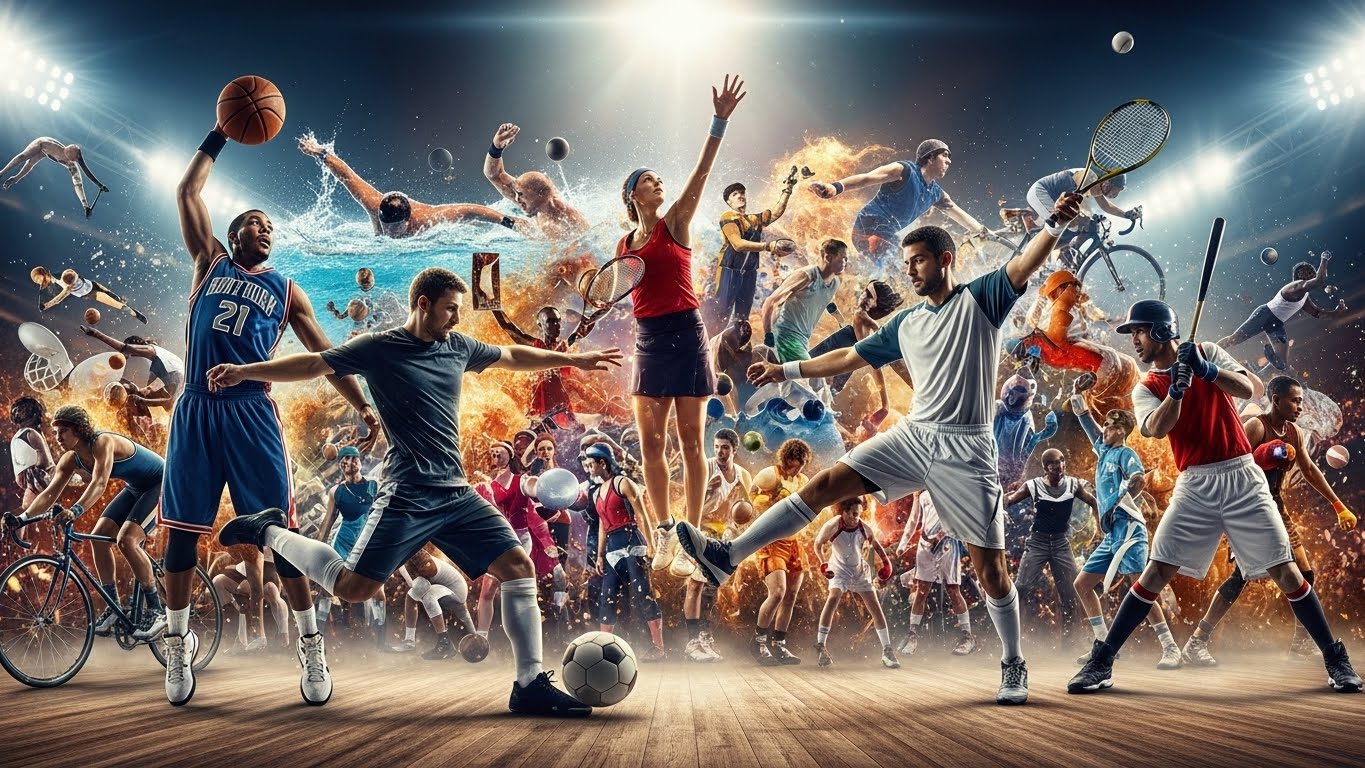
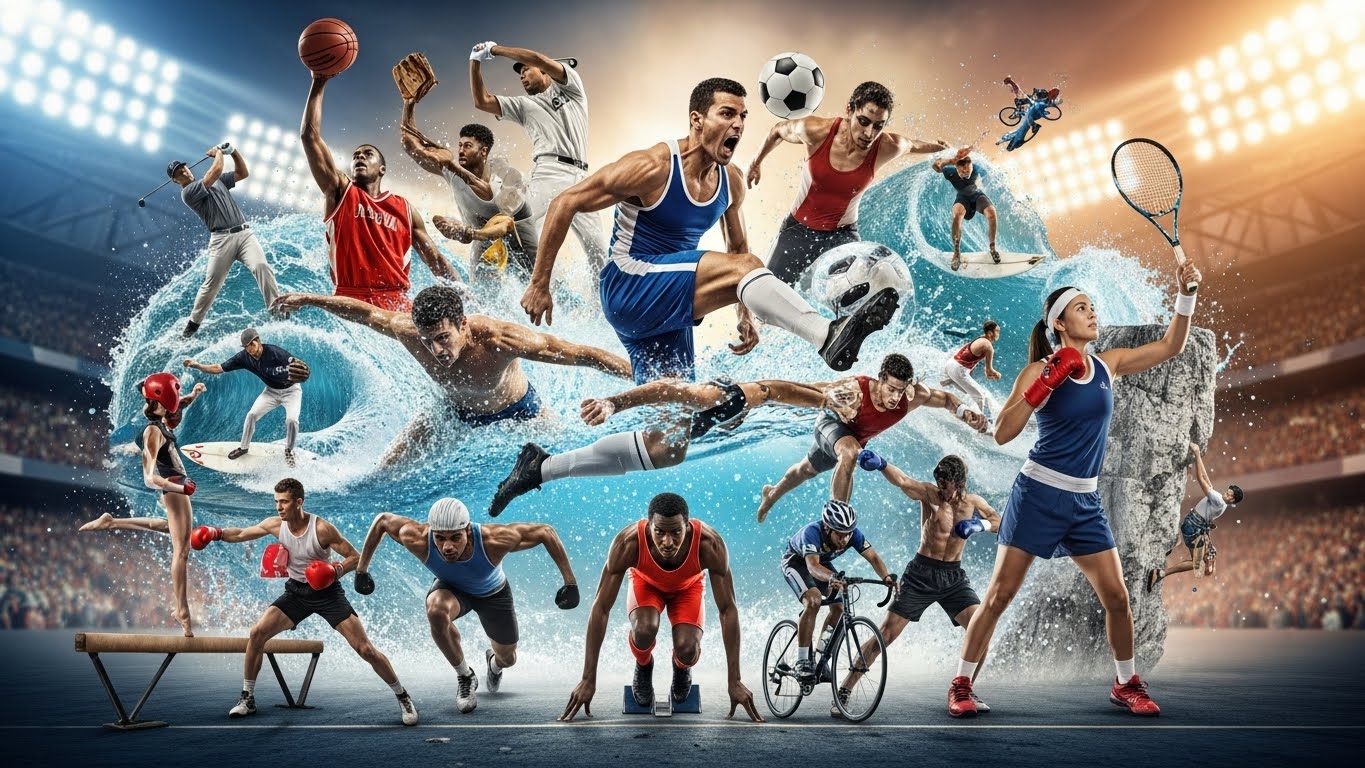
Sports are far more than physical contests between individuals or teams. They are a universal language that transcends barriers of culture, race, gender, and geography. From the dusty fields of rural villages to the illuminated stadiums of international tournaments, sports have an unmatched power to unite people. Whether it’s a cricket match in India, a football game in Brazil, or an Olympic event watched globally, the spirit of sports connects millions through passion, perseverance, and pride.
At its core, sports embody values that are essential to human development—discipline, teamwork, respect, and resilience. They serve as a mirror of society, reflecting our ambitions, struggles, and triumphs. The story of sports is the story of humanity itself, full of moments of glory, heartbreak, and inspiration.
The Ancient Origins of Sports
Sports have existed since the dawn of civilization. Ancient humans engaged in physical competitions as part of rituals, military training, and celebrations. Archaeological evidence from ancient Egypt, Greece, China, and the Americas reveals that sports were integral to community life.
The Olympic Legacy of Ancient Greece
The most iconic example is the ancient Olympic Games, first held in Olympia, Greece, in 776 BCE. These games celebrated not only physical excellence but also unity among Greek city-states. Athletes competed in events like running, wrestling, chariot racing, and discus throwing. Victors were celebrated as heroes and immortalized in history.
The spirit of the ancient Olympics laid the foundation for modern sportsmanship. It emphasized fair play, honor, and respect for one’s opponents. Even though ancient sports were often brutal, they symbolized the ideal of balance between body and mind—a principle that remains relevant today.
The Evolution of Modern Sports
With the industrial revolution and the spread of education in the 18th and 19th centuries, sports began to evolve into organized, rule-based competitions. Schools, universities, and clubs formalized games, leading to the creation of national and international sports bodies.
The Birth of Organized Competitions
Sports like football, cricket, and rugby developed standardized rules and governing organizations. The Football Association (FA) in England was formed in 1863, giving birth to the modern game of soccer. Similarly, cricket found its institutional home with the Marylebone Cricket Club (MCC), which codified the Laws of Cricket.
In the United States, baseball, basketball, and American football gained popularity, each developing professional leagues that would later become cultural phenomena. Sports turned from casual recreation into both profession and entertainment.
The Revival of the Olympics
In 1896, Baron Pierre de Coubertin revived the Olympic Games in Athens, inspired by the ancient tradition. The modern Olympics became a global celebration of athletic talent and human unity. From that moment on, sports were no longer confined to nations—they belonged to the world.
The Social Power of Sports
Sports are one of the few activities that can capture the attention of billions simultaneously. A single match, like the FIFA World Cup final, can bring together people of all nations and backgrounds. But beyond entertainment, sports carry immense social and emotional significance.
Breaking Barriers and Building Bridges
Throughout history, sports have played a crucial role in breaking down social barriers. When Jackie Robinson became the first African American to play Major League Baseball in 1947, he did more than change the game—he challenged racial segregation in America. Similarly, Billie Jean King’s victory in the 1973 “Battle of the Sexes” tennis match became a symbol for gender equality in sports and beyond.
International tournaments also foster global peace and understanding. During the Cold War, sports served as a diplomatic bridge between rival nations. Even today, friendly matches and Olympic competitions remind us that rivalry need not mean enmity.
Sports as a Platform for Equality
Sports empower marginalized communities and give individuals a voice. Athletes from diverse backgrounds have risen above poverty and adversity to inspire millions. Icons like Serena Williams, Lionel Messi, and Usain Bolt show that talent, determination, and opportunity can transcend social limitations.
Moreover, women’s participation in sports has dramatically reshaped societal perceptions. From the early struggles for inclusion to today’s thriving women’s leagues, female athletes have proven that excellence knows no gender.
The Psychology Behind Sports
The appeal of sports is not only physical—it is deeply psychological. Watching or playing a game triggers emotions that range from excitement to tension to euphoria. Sports provide an outlet for both athletes and spectators to experience passion, risk, and reward.
The Athlete’s Mindset
Behind every successful athlete lies a disciplined and resilient mind. Mental strength often determines performance more than physical skill. The ability to stay focused under pressure, recover from failure, and maintain motivation through rigorous training defines champions.
Visualization, meditation, and goal-setting are now integral parts of sports psychology. Athletes work not only on their bodies but also on their mental toughness. The difference between winning and losing often comes down to confidence and composure.
The Fan’s Emotion
For fans, sports are a form of emotional investment. Supporting a team creates a sense of belonging and identity. Victories bring communal joy, while defeats unite fans in shared disappointment. This emotional rollercoaster is what keeps sports alive generation after generation.
In many ways, being a fan mirrors human life—it teaches patience, loyalty, and hope. Whether cheering in stadiums or watching from home, fans contribute to the atmosphere that makes sports magical.
The Economics of Sports
Sports have grown into one of the most powerful economic industries in the world. From broadcasting rights and sponsorships to ticket sales and merchandise, sports generate billions annually.
Professional Leagues and Global Markets
The rise of professional leagues like the English Premier League, the NBA, and the IPL (Indian Premier League) has transformed athletes into global superstars. These leagues not only entertain but also create jobs, tourism, and business opportunities.
Major events such as the Olympics and the World Cup require massive infrastructure investments, often revitalizing cities and economies. Sports tourism has become a key contributor to national income in many countries.
Sponsorship and Media Influence
Corporate sponsorships play a crucial role in modern sports. Brands align themselves with successful teams and athletes to enhance visibility and credibility. Meanwhile, media coverage amplifies the reach of sports, making stars household names.
Television and digital platforms have turned sports into a 24/7 spectacle. Social media has given fans direct access to their favorite players, creating new forms of interaction and engagement.
Technology and the Modern Game
Technology has revolutionized every aspect of sports—from training to broadcasting to fan experience.
Enhancing Performance
Advanced analytics, wearable devices, and AI-based coaching tools help athletes track performance and prevent injuries. Data-driven strategies have become common in football, basketball, and baseball. Coaches analyze player movements, stamina, and tactics in real time to make smarter decisions.
Instant Replays and Fair Decisions
Technology has also improved fairness. Tools like VAR (Video Assistant Referee) in football, Hawk-Eye in tennis, and DRS (Decision Review System) in cricket ensure more accurate officiating. Although controversial at times, these innovations uphold the integrity of the game.
Virtual Sports and Esports
The digital age has also given birth to esports—competitive video gaming that now rivals traditional sports in popularity. Esports tournaments attract massive audiences and substantial prize pools. The line between physical and digital competition continues to blur, reflecting the evolving nature of play.
The Role of Sports in Education
Sports are not only for professionals; they are vital for personal growth and education. Schools and universities around the world emphasize sports as part of holistic learning.
Building Character and Teamwork
Playing sports teaches students discipline, cooperation, and leadership. It helps them manage emotions, build friendships, and develop a sense of responsibility. Team sports, in particular, encourage collaboration and mutual trust—skills essential in life beyond the field.
Health and Fitness Benefits
Physical activity strengthens the body and mind. In an age of digital distractions and sedentary lifestyles, sports provide the necessary balance. They improve cardiovascular health, boost concentration, and reduce stress.
Educational institutions that integrate sports into their curriculum often produce well-rounded individuals who excel not just academically but socially and emotionally.
The Dark Side of Sports
Despite its many virtues, sports are not free from problems. Commercialization, corruption, and unethical practices sometimes overshadow the true spirit of competition.
Corruption and Doping
Scandals involving match-fixing, bribery, and doping have damaged the credibility of sports. The pursuit of fame and profit can lead some athletes and officials to compromise integrity. Doping, in particular, poses a serious threat to fair competition and athlete health.
Organizations like the World Anti-Doping Agency (WADA) work tirelessly to maintain transparency and ethics, but the battle continues.
Over-Commercialization
The commercialization of sports, while economically beneficial, has also distorted its values. Excessive advertising, inflated player salaries, and corporate control often shift the focus from athletic excellence to financial gain. Fans sometimes feel alienated when tradition gives way to profit motives.
Mental Pressure and Athlete Burnout
The intense pressure to perform, combined with public scrutiny, can take a toll on athletes’ mental health. Depression, anxiety, and burnout are increasingly recognized issues in professional sports. Awareness and mental health support systems are now vital parts of athlete care.
Sports and National Identity
Sports often serve as a reflection of national pride and identity. Victories on the international stage can uplift entire nations, while defeats can spark deep introspection.
Sports as a Unifying Force
In countries with diverse cultures and languages, sports act as a unifying thread. India, for example, finds common ground through cricket; Brazil through football; New Zealand through rugby. These shared passions transcend regional differences and foster national solidarity.
The Symbolism of Victory
When athletes carry their national flags at the Olympics or World Cup, they represent more than themselves—they embody the dreams and struggles of their people. Moments like Usain Bolt’s lightning sprints, Michael Phelps’s Olympic dominance, or Argentina’s World Cup triumph evoke national pride that words can barely capture.
The Future of Sports
The world of sports is constantly evolving. New technologies, social movements, and environmental concerns are reshaping its future.
Sustainability in Sports
With climate change becoming a global issue, sports organizations are embracing sustainability. Eco-friendly stadiums, waste reduction programs, and green transportation initiatives are being adopted. Major events are now evaluated not just for their entertainment value but also for their environmental impact.
Inclusivity and Diversity
The future of sports is inclusive. Efforts are being made to provide equal opportunities for women, people with disabilities, and underrepresented communities. The Paralympic Games stand as a shining example of how sports can celebrate human potential beyond physical limits.
Digital Transformation
Virtual reality, AI-based training systems, and blockchain ticketing are revolutionizing the sports experience. Fans can now engage with their favorite teams through immersive digital platforms. The next generation of athletes will likely grow up in a world where technology and sports are inseparable.
Conclusion: The Eternal Flame of Sports
Sports have traveled a long journey—from ancient rituals to modern global spectacles—but their essence remains unchanged. They continue to teach us the timeless values of dedication, respect, and perseverance. In victory or defeat, sports reveal our humanity. They remind us that success is not just about winning but about striving, learning, and never giving up.
In a world often divided by politics, ideology, and inequality, sports stand as a rare force that brings people together. Whether you are an athlete, a fan, or a casual observer, sports invite you to be part of something greater than yourself—a collective celebration of human spirit and possibility.
As we look toward the future, the spirit of sports will continue to inspire new generations to dream, compete, and connect. It is more than a pastime; it is a reflection of life itself—a journey of endurance, hope, and unity.