
Introduction: Sports as a Cultural Phenomenon
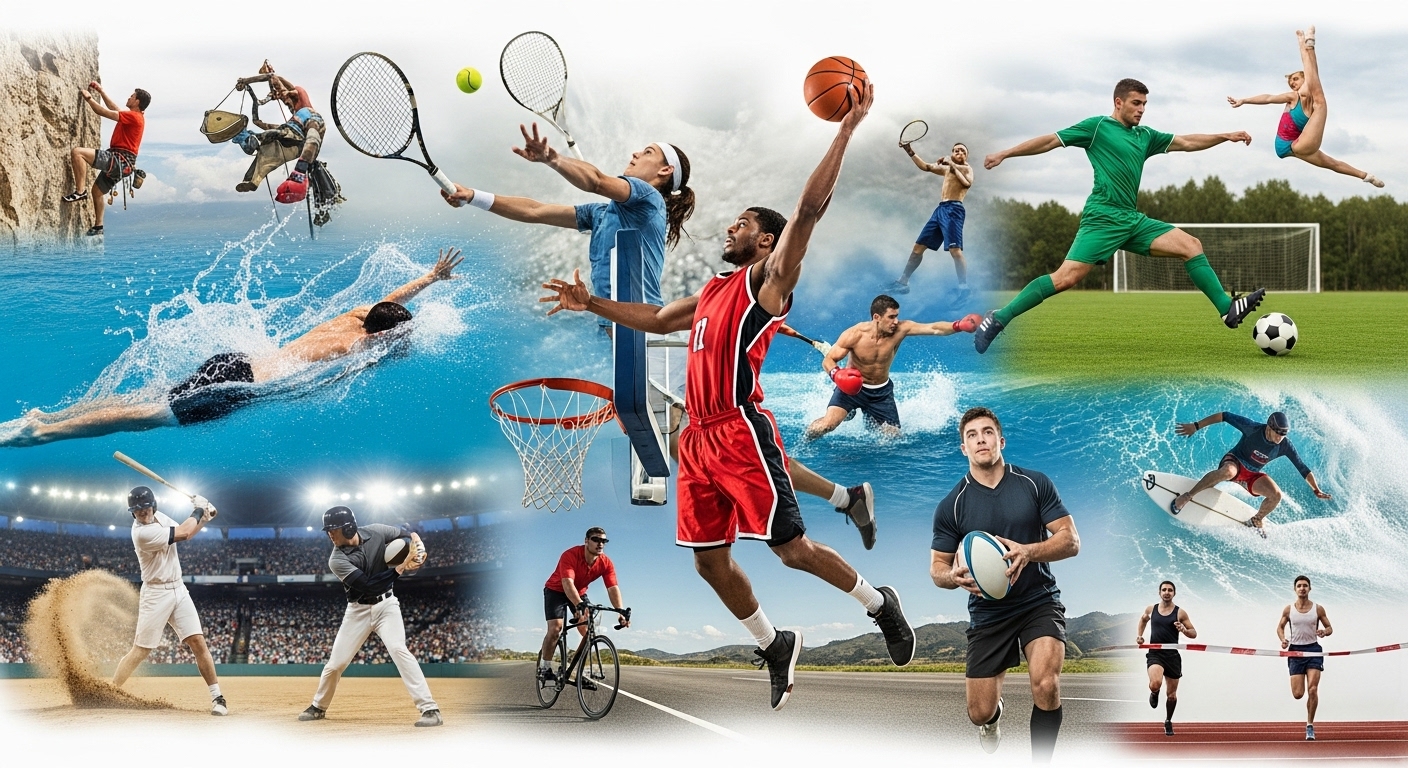
Sports have been an integral part of human culture for millennia, serving not only as a form of recreation but also as a powerful social and cultural force. From ancient civilizations to modern global spectacles, sports have shaped societies, fostered community spirit, and brought together people from all walks of life. What began as simple games and physical contests have evolved into multi-billion-dollar industries that influence every corner of the world.
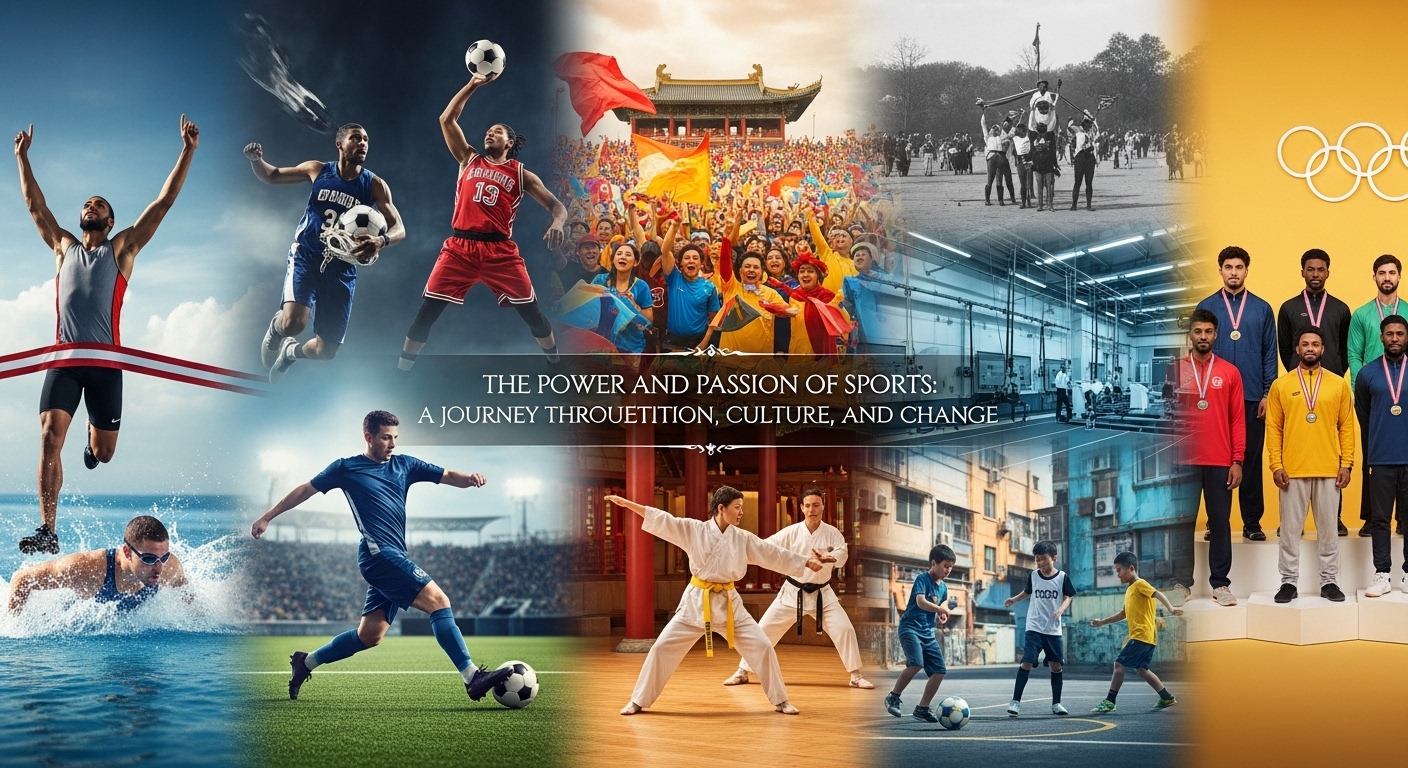
The impact of sports reaches far beyond the field of play, affecting economics, politics, and social issues in profound ways. From the local community to the international stage, sports unite people, create common ground, and reflect the cultural values of different societies. In this blog post, we will explore the various ways in which sports influence our lives, from their role in shaping national identities to their power as a platform for social change. We will also take a look at how sports have evolved over time and the future trends that will continue to shape the global sports landscape.
The Evolution of Sports: From Local Games to Global Enterprises
The origins of sports can be traced back to the earliest human societies, where physical competition was often tied to survival skills, training for battle, or religious ceremonies. Early examples include the Olympic Games in ancient Greece, where athletes competed for glory in a range of events, from foot races to chariot racing. These competitions were not only a display of athletic prowess but also a reflection of the values of Greek society, such as discipline, honor, and the pursuit of excellence.
As societies evolved, so did the nature of their sporting activities. The rise of organized sports in the 19th century, fueled by the Industrial Revolution, saw the formalization of modern sports leagues and the establishment of standardized rules. In Europe, football (soccer) became a unifying force, spreading rapidly across countries and eventually becoming the world’s most popular sport. Similarly, sports like cricket, rugby, and tennis began to take shape in the UK, while in the United States, baseball, American football, and basketball rose to prominence.
The 20th century marked a significant turning point in the global impact of sports. The advent of mass media—radio, television, and eventually the internet—allowed sports to reach unprecedented audiences. Major sporting events such as the FIFA World Cup, the Olympics, and the Super Bowl became global spectacles, drawing millions of viewers from around the world. This transition from local or regional competitions to worldwide events transformed sports into a global business, with enormous financial stakes and widespread cultural influence.
Today, sports are no longer just games played for enjoyment or competition. They are major commercial enterprises with sponsorships, broadcasting rights, merchandise sales, and advertising deals generating billions of dollars each year. The globalization of sports has created a platform for athletes to become international superstars, while also allowing countries to assert their dominance in various fields of athletic achievement.
Sports as a Reflection of National Identity and Pride
At its core, sports have the power to reflect a nation’s identity, values, and aspirations. International sporting events like the Olympics, the FIFA World Cup, and the Rugby World Cup are often seen as a showcase of national pride. For many countries, these competitions serve as opportunities to unite citizens and showcase their cultural heritage to the world.
The impact of sports on national identity is particularly evident during global events. Take, for example, the fervor surrounding the Olympics. Countries invest heavily in training their athletes, viewing success in these competitions as a symbol of national greatness. The success of an athlete on the global stage can be a source of immense pride, sparking celebrations and a sense of collective achievement.
In addition, sports are often used as a platform to assert national power. The Cold War rivalry between the United States and the Soviet Union, for instance, was partly played out on the playing fields, with both nations using the Olympics to prove their superiority. Today, countries like the United States, China, and Russia continue to see international sporting success as a way of enhancing their global standing.
Sports also provide a space for marginalized communities within countries to assert their identity and gain visibility. In the United States, the Civil Rights Movement found a strong voice in the form of athletes like Jackie Robinson, who broke the color barrier in Major League Baseball, and Muhammad Ali, whose stance against the Vietnam War made him a symbol of resistance. These athletes used their platform not only to excel in their respective sports but also to challenge the status quo and inspire generations of individuals fighting for equality and justice.
Sports as a Platform for Social Change
While sports have long been a means of entertainment, they have also served as a powerful platform for social and political change. Athletes have used their visibility and influence to raise awareness about a wide range of social issues, from racial inequality and gender discrimination to poverty and environmental concerns.
One of the most iconic moments in the history of sports as a vehicle for social change occurred during the 1968 Olympics in Mexico City. Tommie Smith and John Carlos, two African-American athletes, raised their fists in a Black Power salute during the medal ceremony for the 200-meter race. Their protest, which was rooted in the struggle for civil rights and racial equality, sparked a global conversation about racial injustice and the role of athletes in social activism.
Similarly, athletes like Colin Kaepernick have used their platform to speak out against racial inequality and police brutality. Kaepernick’s decision to kneel during the national anthem at NFL games in 2016 was met with both praise and criticism, but it succeeded in drawing attention to the Black Lives Matter movement and the fight for racial justice. His protest has since inspired countless other athletes and individuals to take a stand for social causes.
Women in sports have also used their position to challenge gender norms and fight for equality. The battle for equal pay in sports continues to gain traction, with women athletes in tennis, soccer, and basketball demanding the same financial recognition and opportunities as their male counterparts. The U.S. women’s national soccer team, for example, has been at the forefront of the fight for equal pay, highlighting the disparities in earnings and support between male and female athletes.
In addition to issues of race and gender, athletes have also used sports to draw attention to environmental issues, such as climate change. Athletes like Lewis Hamilton, a Formula 1 racing driver, have used their public platform to advocate for sustainability, urging fans and followers to adopt eco-friendly practices and support environmentally-conscious initiatives.
The Rise of Technology in Sports: Changing the Game
In the 21st century, technology has revolutionized the way we experience and engage with sports. From high-tech equipment to data analytics and video replay, technology has had a profound impact on both the professional and amateur sides of sports.
On the field, technology has enabled athletes to train more efficiently and perform at their highest level. Wearable technology, such as fitness trackers and smart watches, allows athletes to monitor their physical performance, track their health metrics, and prevent injuries. In professional sports, coaches and teams rely heavily on performance data to develop strategies, assess players’ strengths and weaknesses, and optimize training regimens.
Video analysis and replay systems, such as the Video Assistant Referee (VAR) in soccer, have transformed officiating by providing referees with the tools to make more accurate decisions. This technology has helped reduce human error and ensure that critical moments in games, such as goals and penalty decisions, are correctly adjudicated.
The rise of esports is another example of how technology is reshaping the sports landscape. Competitive gaming, which once existed only in small, niche circles, has now become a global phenomenon, with massive tournaments like the League of Legends World Championship and The International drawing millions of viewers and offering multi-million-dollar prize pools. The growing influence of streaming platforms like Twitch has further fueled the popularity of esports, turning gamers into celebrities and offering fans unprecedented access to live gaming content.
Technology has also changed how fans consume sports. Streaming platforms have replaced traditional TV broadcasts, allowing fans to watch games on-demand from anywhere in the world. Social media has created new ways for fans to interact with athletes, share content, and even engage in live commentary during games. Virtual reality (VR) and augmented reality (AR) offer fans an immersive experience, allowing them to feel as if they are present at live events, despite being physically distant.
The Future of Sports: Innovation, Inclusion, and Globalization
As technology continues to evolve, the future of sports will undoubtedly be shaped by innovation, inclusion, and globalization. In the coming years, we are likely to see even more integration of technology into sports, with advancements in AI, VR, and wearable tech creating new possibilities for athletes, coaches, and fans alike.
The continued rise of esports suggests that competitive gaming will be a dominant force in the sports world, with opportunities for growth and expansion into new markets. As more countries and regions invest in esports infrastructure, the global appeal of competitive gaming will continue to grow.
Inclusion and diversity will remain central to the development of sports, both at the professional and grassroots levels. As more attention is paid to issues like gender equality, racial justice, and accessibility for athletes with disabilities, the sports world will continue to evolve into a more inclusive space for all individuals, regardless of their background or identity.
Furthermore, the globalization of sports will likely continue, with major events reaching wider audiences across the globe. The interconnectedness of the world today means that sports can transcend borders, bringing together people from different cultures, backgrounds, and languages to celebrate athletic achievement and the power of competition.
Conclusion: Sports as a Catalyst for Change
Sports are much more than games; they are a reflection of the societies in which they are played, a mirror of our collective values, and a powerful force for social change. From their humble origins to their current status as global spectacles, sports have consistently shaped culture, fostered unity, and provided a platform for progress.