Introduction
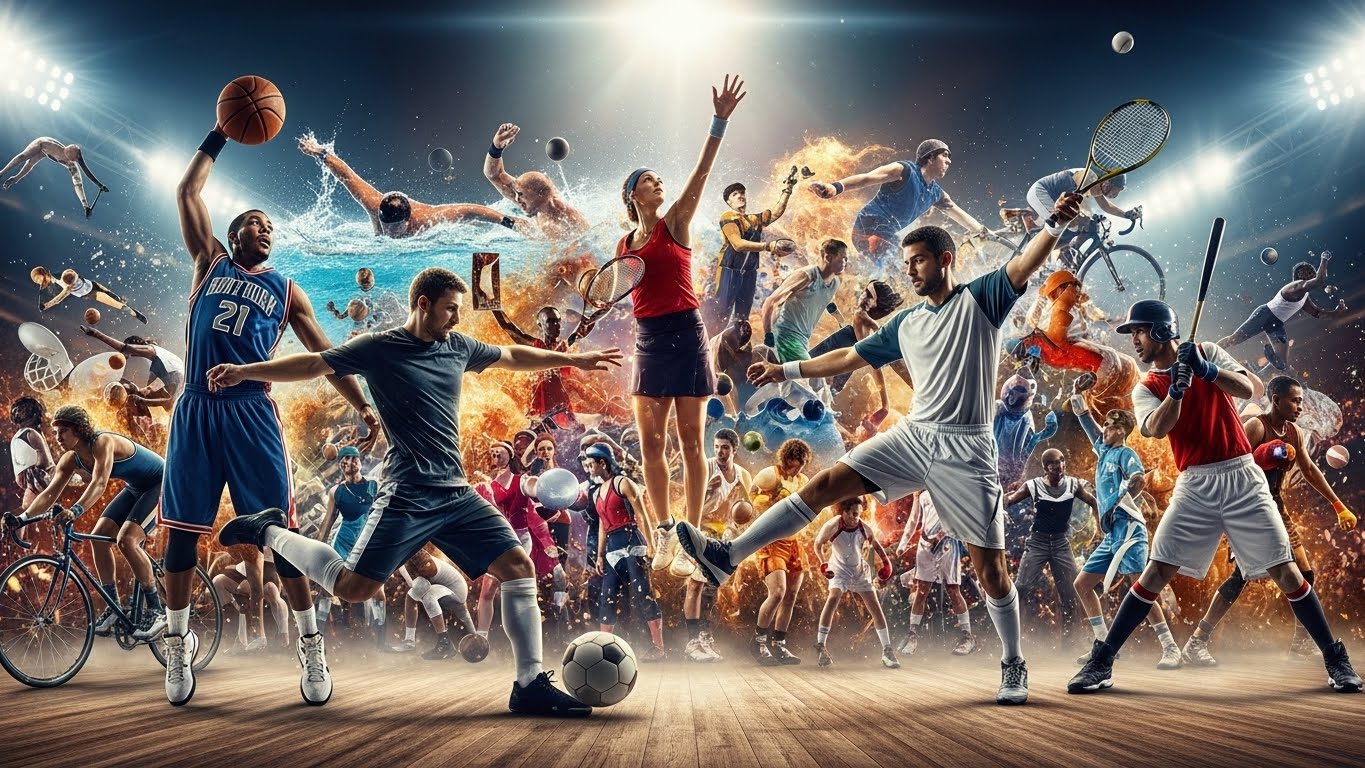
Sports have been an integral part of human culture for centuries, transcending borders and connecting people through shared experiences, values, and emotions. From local playgrounds to massive stadiums, sports influence society, inspire individuals, and shape lifestyles. Beyond the pursuit of victory, sports instill discipline, resilience, teamwork, and passion. This blog explores the world of sports, highlighting their impact on individuals, communities, and society as a whole while examining the evolving role of sports in the modern era.
The History and Evolution of Sports
The history of sports is deeply intertwined with human civilization. Ancient societies organized athletic events to celebrate cultural rituals, religious ceremonies, and community gatherings. Sports like wrestling, running, and chariot racing in ancient civilizations provided entertainment, physical conditioning, and social cohesion.
Over time, sports evolved with the development of organized leagues, standardized rules, and international competitions. The Olympic Games, originating in ancient Greece, became a symbol of unity, excellence, and competition. Today, sports have grown into professional industries, combining tradition with modern entertainment, technology, and media coverage.
The Physical and Mental Benefits of Sports
Participation in sports provides numerous physical benefits. Regular involvement in athletic activities enhances cardiovascular health, muscular strength, flexibility, and coordination. It also contributes to maintaining a healthy weight and improving overall physical fitness.
The mental benefits of sports are equally significant. Sports promote discipline, goal-setting, focus, and stress management. Engaging in competitive and team-based activities fosters resilience, problem-solving skills, and emotional regulation. Sports also encourage social interaction, reducing feelings of isolation and promoting a sense of belonging.
Popular Types of Sports
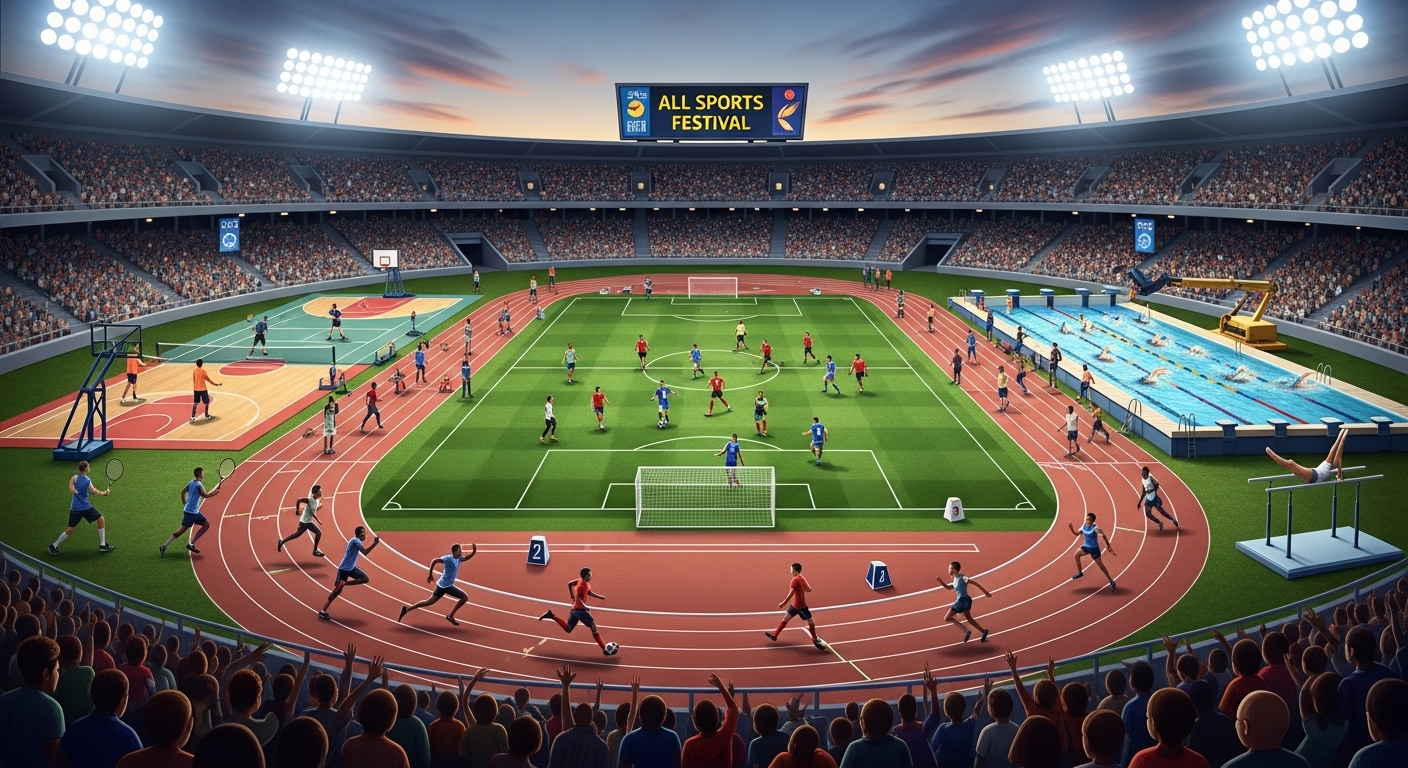
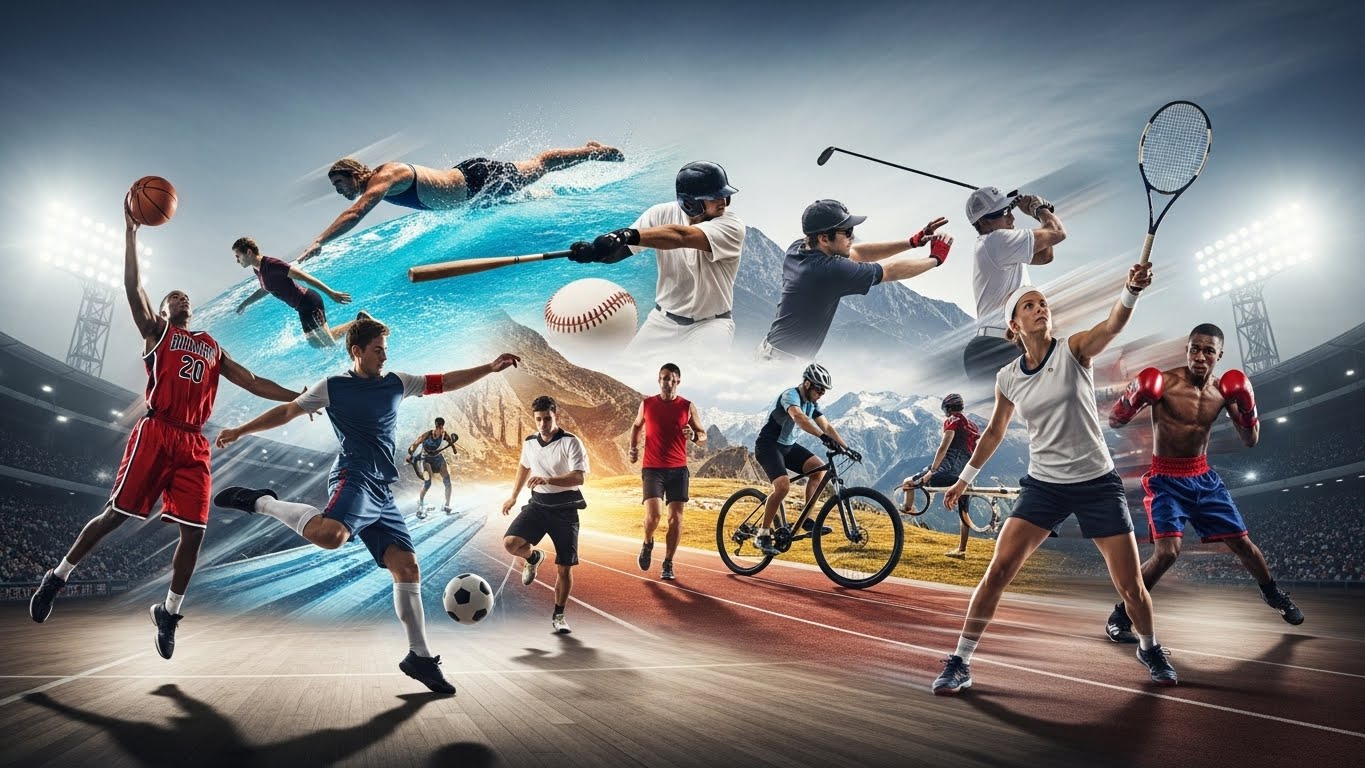
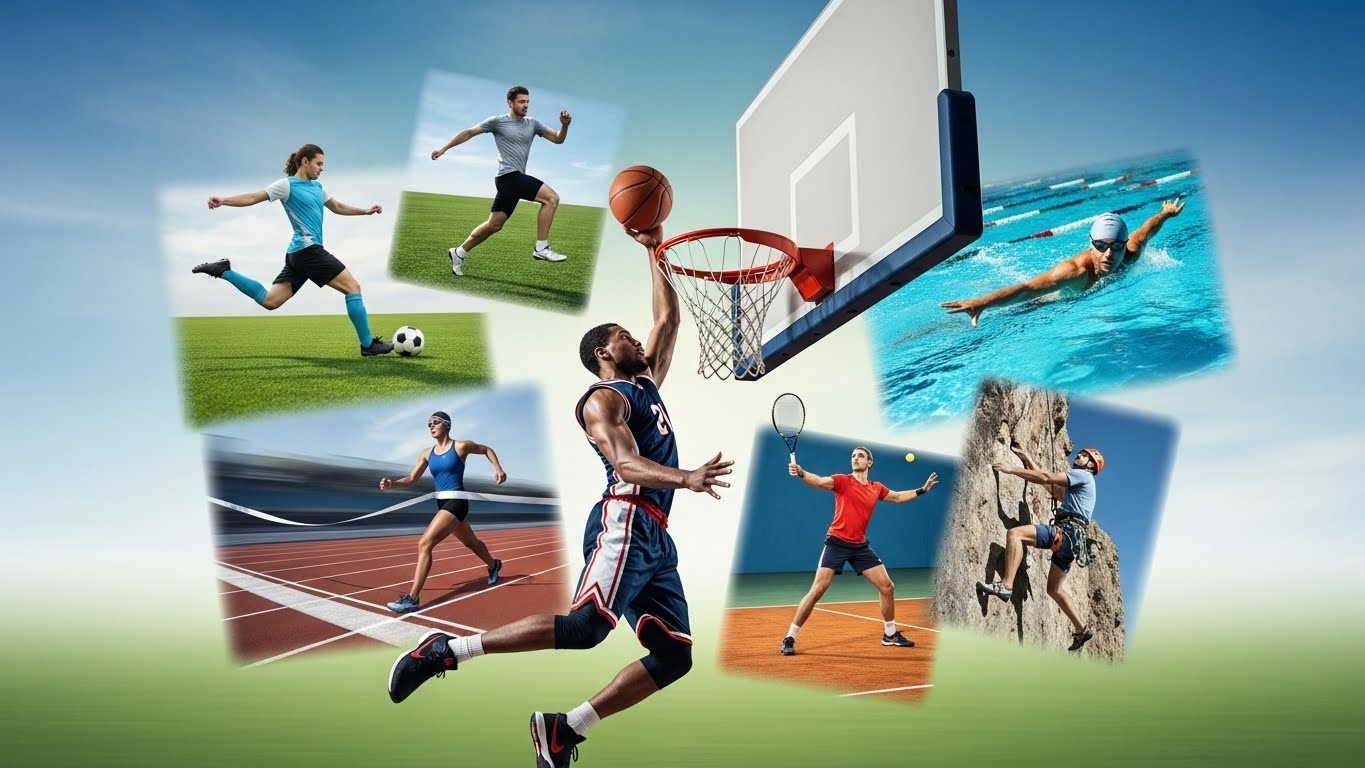
Sports come in a variety of forms, catering to diverse interests and skill sets. Team sports such as soccer, basketball, and cricket emphasize collaboration, communication, and strategy. Individual sports like tennis, swimming, and gymnastics highlight personal skill, focus, and self-discipline.
Adventure and outdoor sports such as rock climbing, hiking, and surfing provide unique challenges and experiences. Extreme sports push the boundaries of human capability, attracting audiences seeking thrill and excitement. The wide range of sports ensures that individuals of all ages and abilities can find activities that resonate with them.
The Role of Sports in Character Building
Sports are a powerful tool for character development. They teach important life lessons such as perseverance, integrity, responsibility, and respect. Athletes learn to handle success and failure, develop leadership qualities, and cultivate teamwork skills.
Participation in sports encourages ethical behavior and sportsmanship, reinforcing moral values. Children and young adults who engage in regular sports activities are often more disciplined, motivated, and confident in their personal and professional lives. Sports provide a structured environment where individuals can grow, both physically and mentally.
The Cultural Significance of Sports
Sports play a crucial role in shaping cultural identity and social cohesion. Major events, such as the World Cup, Olympics, and regional championships, bring together diverse communities, fostering a sense of unity and national pride. Sporting traditions and rituals reflect cultural heritage and provide a platform for storytelling and celebration.
Sports also influence fashion, media, music, and entertainment. Athletes often become cultural icons, inspiring millions through their achievements, personalities, and dedication. The global reach of sports connects people across continents, creating a shared language that transcends differences in culture, language, and background.
Economic Impact of Sports
Sports have a significant economic impact, generating revenue through ticket sales, sponsorships, merchandise, broadcasting rights, and tourism. Professional leagues and tournaments create jobs, support local businesses, and drive infrastructure development.
The sports industry also offers diverse career opportunities, including coaching, sports medicine, management, media, and analytics. As sports continue to grow in popularity and commercial value, their economic influence expands, contributing to national and global economies.
Women in Sports
The participation of women in sports has increased dramatically over the years, challenging traditional gender norms and promoting equality. Women athletes inspire future generations, demonstrating that talent, determination, and dedication are not confined by gender.
Efforts to provide equal opportunities, fair compensation, and visibility for women in sports have gained momentum. Organizations, media, and governments are working to ensure that women athletes receive recognition, support, and resources comparable to their male counterparts. This shift fosters inclusivity and empowers women across all levels of sport.
Sports and Technology
Technology has transformed the way sports are played, analyzed, and experienced. Advanced training tools, performance monitoring systems, and data analytics enhance athlete preparation and performance. Video-assisted refereeing, wearable devices, and real-time statistics improve fairness and audience engagement.
Technology also revolutionizes fan interaction, with live streaming, virtual reality experiences, and interactive platforms providing new ways to enjoy sports. The integration of technology ensures that sports remain dynamic, engaging, and accessible to a global audience.
Challenges in the World of Sports
Despite its many benefits, sports face challenges that require attention. Issues such as doping, corruption, match-fixing, and unethical practices can undermine integrity. Physical injuries and mental stress pose risks to athletes, emphasizing the need for proper support and safety measures.
Balancing commercial interests with fairness, accessibility, and ethical standards is essential. Ensuring inclusivity, supporting grassroots development, and promoting healthy competition are crucial for sustaining the positive impact of sports in society.
The Future of Sports
The future of sports is promising, with ongoing innovations and increasing global participation. Emerging sports, hybrid competitions, and e-sports expand the definition of athletic engagement. Emphasis on health, sustainability, and community development will shape how sports are organized and experienced.
Investment in youth development, training facilities, and sports education will nurture talent and inspire future generations. As sports continue to evolve, they will remain a vital part of human life, fostering physical health, mental well-being, cultural expression, and social unity.
Conclusion
Sports are far more than games or competitions; they are a reflection of human ambition, creativity, and community. From promoting physical fitness and mental resilience to shaping cultural identity and economic growth, sports impact every aspect of society. Participation in sports builds character, fosters teamwork, and connects people across diverse backgrounds. The power of sports lies not only in victory but in the journey, the lessons learned, and the shared experiences that unite humanity.