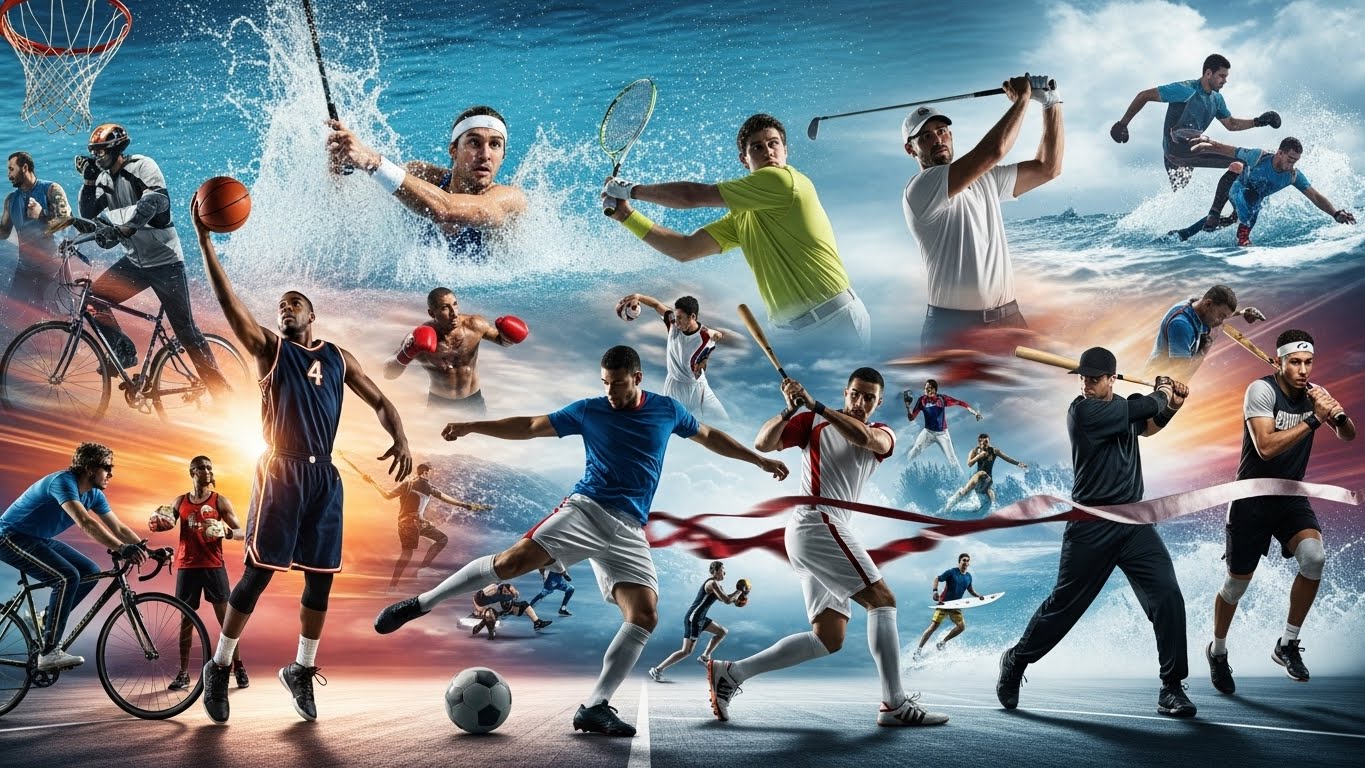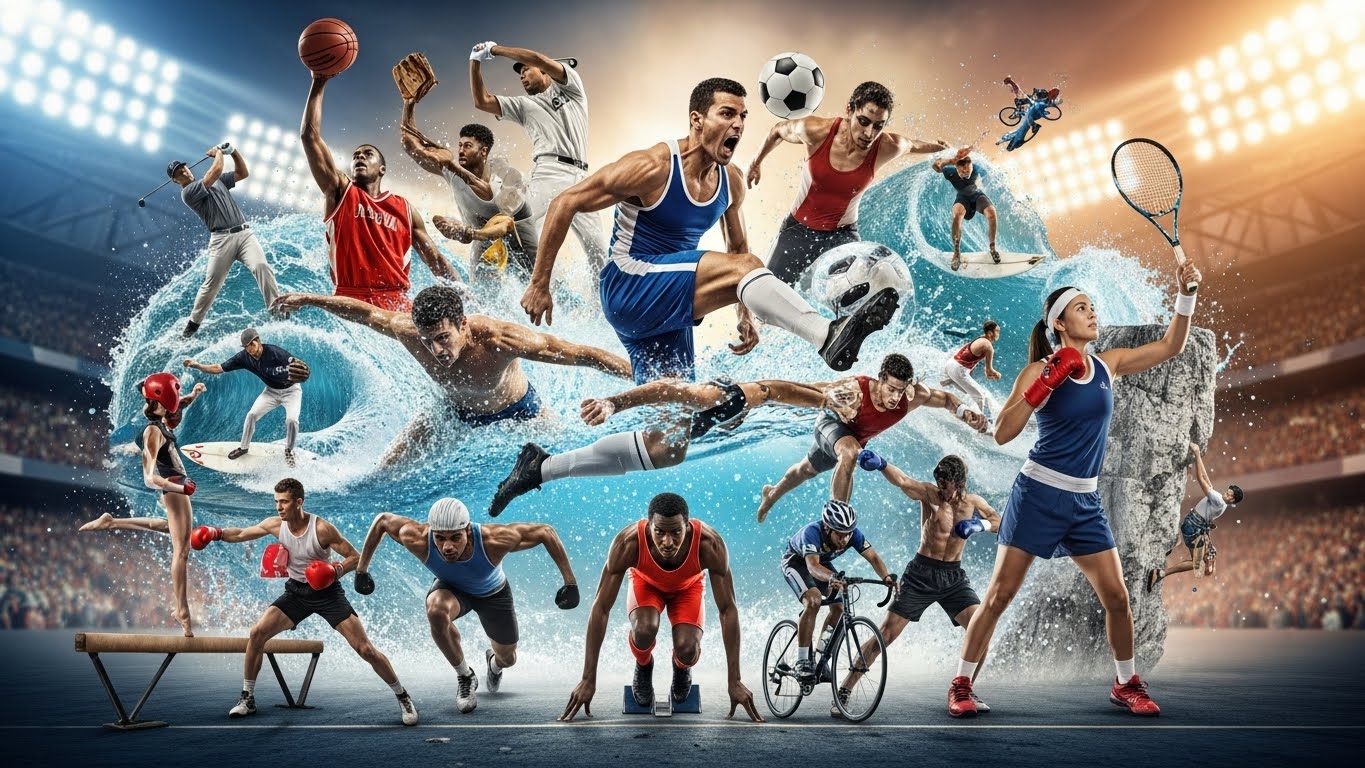

Introduction: Sports as a Universal Language
Sports are more than just games; they are a universal language that connects people across cultures, ages, and backgrounds. From the playground to professional arenas, sports inspire, challenge, and unite individuals in ways few other activities can. Participation in sports fosters physical fitness, mental resilience, teamwork, and discipline. For spectators, sports create shared experiences and a sense of community. The influence of sports extends beyond physical performance, shaping society, culture, and personal development.
The Historical Roots of Sports
The history of sports dates back thousands of years. Ancient civilizations developed games for recreation, ritual, and social cohesion. The Olympic Games in ancient Greece celebrated athleticism and honored the gods, while ancient Chinese, Egyptian, and Mesoamerican societies created their own forms of competitive sports to showcase skill and strength. These early activities laid the foundation for modern sports, emphasizing values such as fair play, teamwork, and personal achievement. Sports have always reflected human ambition, creativity, and social interaction.
The Evolution of Modern Sports
Modern sports evolved during the 19th and 20th centuries with the introduction of standardized rules, professional leagues, and international competitions. Football, cricket, basketball, and tennis transformed from casual pastimes into structured sports with global appeal. Governing bodies, official competitions, and regulatory frameworks ensured consistency and fairness. Modern sports also became more inclusive, providing opportunities for women, youth, and athletes with disabilities. Today, professional sports are a multi-billion-dollar industry that combines athleticism, strategy, entertainment, and business.
Sports and Cultural Identity
Sports are a powerful reflection of culture and identity. Iconic athletes like Muhammad Ali, Serena Williams, and Pelé transcend their respective sports, influencing social movements, fashion, and popular culture. National pride and community spirit are often expressed through sports events, where fans come together to celebrate victories and share collective experiences. Sports foster traditions, rituals, and storytelling that become deeply embedded in cultural heritage. Through participation and spectating, sports strengthen social bonds and reinforce cultural values.
The Physical and Mental Benefits of Sports
Participation in sports offers numerous physical and mental benefits. Regular physical activity improves cardiovascular health, muscular strength, coordination, and overall fitness. Sports also enhance mental well-being by reducing stress, increasing self-confidence, and promoting focus and discipline. Athletes learn to set goals, manage pressure, and persevere through challenges, developing resilience that extends beyond the playing field. Team sports cultivate communication, leadership, and collaboration, while individual sports teach self-reliance and strategic thinking.
The Role of Sports in Education
Sports play a critical role in education, helping students develop life skills alongside academic knowledge. School and college sports programs provide structured opportunities for participation, competition, and personal growth. Students learn time management, teamwork, and goal-setting while engaging in physical activity. Sports also promote inclusivity and diversity, allowing students of different backgrounds and abilities to participate. By integrating sports into educational programs, institutions prepare students for both personal and professional success, fostering well-rounded individuals.
Sports and Social Cohesion
Sports have the power to unite people, breaking down barriers of race, religion, and socioeconomic status. Community sports programs encourage collaboration and engagement, fostering inclusivity and mutual respect. Major international events, such as the Olympics and FIFA World Cup, bring nations together in celebration of human achievement and competition. Through shared passion and enthusiasm, sports promote empathy, understanding, and social cohesion, demonstrating the ability of games to create meaningful connections across diverse communities.
Professional Sports and the Athlete’s Journey
Professional sports demand discipline, dedication, and rigorous training. Athletes invest years honing their skills, adhering to strict physical and mental routines, and competing at increasingly challenging levels. Professional leagues provide platforms for talent to shine, with athletes achieving global recognition, financial rewards, and influence. The journey of a professional athlete involves sacrifices, perseverance, and resilience, offering inspiration to aspiring players and fans alike. Their stories highlight the transformative potential of sports in shaping character and ambition.
Women in Sports: Breaking Barriers
Women’s participation in sports has grown dramatically over the past century. Female athletes have challenged stereotypes, achieved global recognition, and become role models for future generations. From tennis and football to athletics and esports, women continue to redefine excellence and inspire inclusion. The rise of women in sports reflects broader societal progress toward gender equality and empowerment. Support for female athletes through media coverage, sponsorship, and leagues ensures their talents are celebrated and opportunities expanded.
Technology and Innovation in Sports
Technology has revolutionized the way sports are played, analyzed, and experienced. Video replay systems, wearable devices, and data analytics provide insights into performance, strategy, and health. Advanced equipment enhances safety, precision, and effectiveness. Digital platforms enable fans to watch live events, track statistics, and engage interactively. Technology also expands access to sports, allowing remote participation, virtual training, and innovative fan experiences. The integration of technology demonstrates how sports continue to evolve alongside innovation, creating new possibilities for athletes and audiences.
The Economic Impact of Sports
Sports are a significant contributor to the global economy. Professional leagues, tournaments, and events generate revenue through ticket sales, merchandise, sponsorships, and broadcasting rights. Major sporting events stimulate local economies through tourism, infrastructure development, and international exposure. Sports also create jobs in coaching, management, media, and support services. Beyond economic benefits, sports inspire innovation in marketing, technology, and entertainment, highlighting their role as both a cultural and financial powerhouse.
Sports and Health Awareness
Sports play an essential role in promoting public health awareness. Participation encourages active lifestyles, combating sedentary habits and related health issues. High-profile athletes often advocate for fitness, nutrition, and mental well-being, influencing public behavior. Community initiatives, campaigns, and sports events promote awareness of physical and mental health, demonstrating the broader societal value of sports in encouraging healthier, more active communities.
The Psychological Impact of Sports
Sports provide profound psychological benefits for participants and spectators alike. Engaging in sports improves focus, self-discipline, and emotional regulation. Athletes develop resilience by coping with losses, setbacks, and high-pressure situations. For fans, sports offer excitement, inspiration, and emotional connection. The shared experiences of supporting teams and celebrating achievements foster a sense of belonging and identity. Sports contribute to mental and emotional health, reinforcing their significance beyond physical activity.
Youth Engagement and Future Generations
Engaging youth in sports is critical for building the next generation of athletes, leaders, and informed citizens. Youth sports programs develop skills, confidence, and social awareness. Participation encourages healthy habits, teamwork, and discipline, while also fostering creativity and problem-solving. Early exposure to sports instills values such as fair play, respect, and perseverance. By investing in youth sports, societies cultivate talent, nurture potential, and ensure the long-term sustainability of sporting culture and community development.
The Future of Sports
The future of sports promises continued evolution through innovation, inclusivity, and global engagement. Emerging technologies, such as virtual reality, AI, and wearable analytics, will transform training, performance, and fan experiences. Efforts toward gender equality, accessibility, and diversity will create more opportunities for participation at all levels. Sports will continue to be a platform for cultural exchange, social cohesion, and personal development, maintaining their relevance in an ever-changing world. The enduring appeal of sports lies in their ability to inspire, challenge, and unite people across generations.
Conclusion: Sports as a Catalyst for Growth and Unity
Sports are a powerful force that transcends competition. They promote physical and mental well-being, foster social cohesion, and contribute to cultural identity and economic growth. From local communities to global arenas, sports inspire individuals, build character, and create shared experiences that unite people. Whether as a participant, spectator, or supporter, engagement with sports enriches lives and strengthens society. The enduring impact of sports demonstrates that they are not merely games but vital components of human development, culture, and progress.