Introduction: More Than Just Games
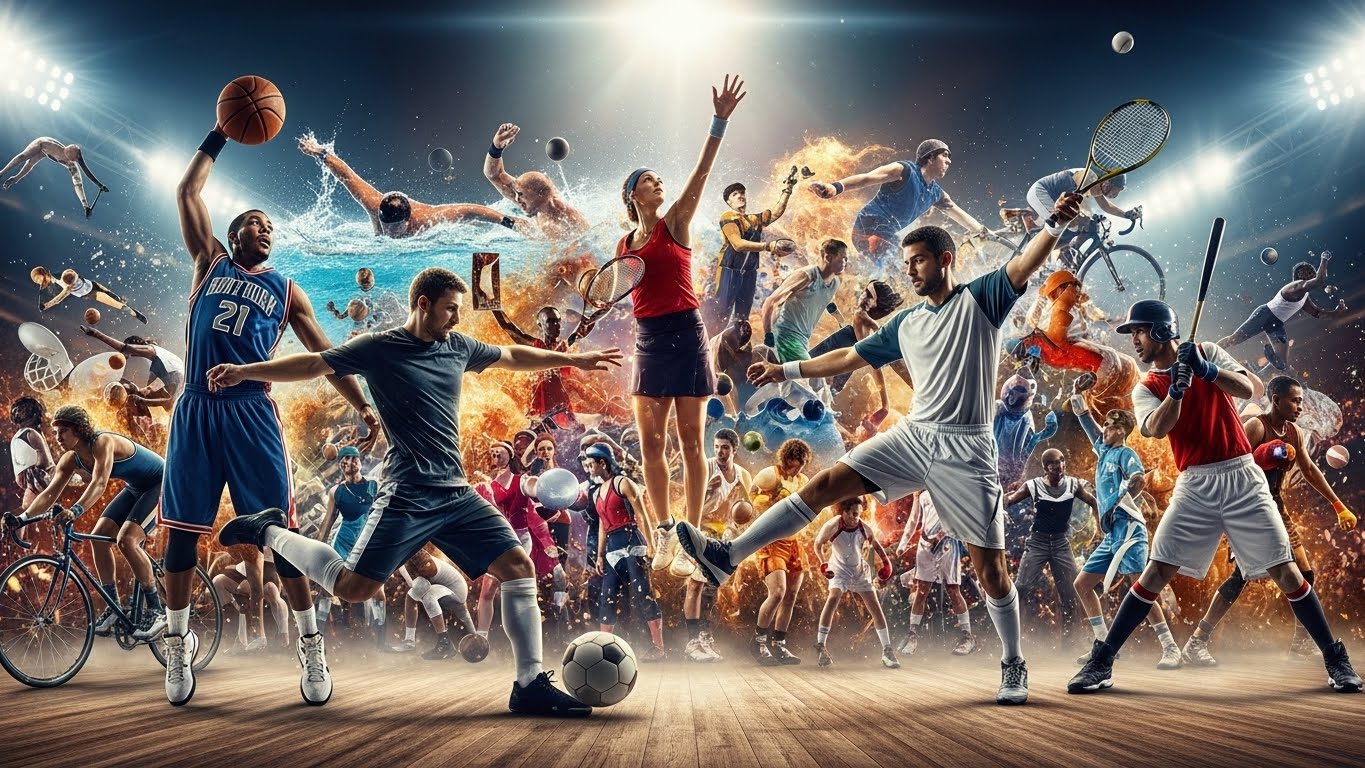
Sports have always been more than a contest of strength, speed, or skill. Across cultures and generations, they represent a shared language that brings people together regardless of background, belief, or geography. From dusty village fields to world-class stadiums, sports tell stories of hope, discipline, struggle, and triumph. They influence how individuals grow, how communities bond, and how nations express pride. While the final score often grabs attention, the deeper impact of sports lies in the values they nurture and the connections they create.
The Historical Roots of Sports in Human Society
The origins of sports can be traced back to ancient civilizations where physical competition was linked to survival, ritual, and honor. Early societies used games and athletic contests to prepare warriors, celebrate festivals, and honor the gods. Over time, these activities evolved into structured sports with rules, teams, and spectators. This evolution reflects humanity’s desire for order, fairness, and excellence. Even today, modern sports retain echoes of their ancient roots, emphasizing courage, respect, and perseverance.
Sports as a School of Discipline and Hard Work
One of the most powerful lessons sports teach is discipline. Athletes quickly learn that talent alone is never enough. Consistent practice, punctuality, and self-control form the foundation of success. Training schedules demand commitment, often requiring early mornings, strict diets, and sacrifices of leisure time. These habits extend beyond the playing field, shaping individuals into focused and resilient people. Many successful professionals credit their sporting background for teaching them how to set goals and work steadily toward achieving them.
Building Character Through Victory and Defeat
Sports offer a unique environment where both success and failure are experienced openly. Winning brings joy and confidence, but losing teaches humility and reflection. Athletes learn to accept defeat with grace, analyze their mistakes, and return stronger. This balance helps build emotional strength and maturity. In life, not every effort leads to immediate success, and sports prepare individuals to face challenges without giving up. The ability to handle pressure, disappointment, and criticism is a lifelong skill developed through competition.
The Role of Teamwork and Leadership
Team sports, in particular, highlight the importance of cooperation and trust. Players must understand their roles, support each other, and work toward a common objective. Individual brilliance can shine, but collective effort determines long-term success. Within teams, leadership naturally emerges, teaching responsibility and communication. Athletes learn when to lead, when to follow, and how to respect diverse personalities. These lessons translate seamlessly into workplaces, families, and social groups.
Sports and Physical Well-Being
At its core, sports promote physical health. Regular participation improves cardiovascular fitness, strength, flexibility, and coordination. In an age where sedentary lifestyles are increasingly common, sports offer a dynamic way to stay active and energized. Beyond physical benefits, exercise releases endorphins that reduce stress and improve mood. This connection between body and mind makes sports a powerful tool for overall well-being, encouraging healthier habits and a more balanced lifestyle.
Mental Strength and Emotional Balance
Sports are as much a mental challenge as a physical one. Athletes must stay focused under pressure, make quick decisions, and manage anxiety. Learning to remain calm during critical moments builds mental toughness. This ability to control emotions and stay composed is valuable far beyond competition. Sports also provide an emotional outlet, allowing individuals to release stress, channel energy positively, and experience joy through movement and achievement.
Sports as a Unifying Social Force
Few things unite people like sports. Fans gather to support their teams, sharing emotions that range from excitement to heartbreak. These shared experiences create a sense of belonging and identity. On a larger scale, international competitions bring nations together, promoting cultural exchange and mutual respect. Even when rivalries exist, sports offer a platform where competition remains within the boundaries of respect and fairness, reminding us that unity can exist alongside diversity.
Economic and Cultural Impact of Sports
Sports play a significant role in shaping economies and cultures. They create jobs, support industries, and contribute to local and national development. Major events attract tourism and global attention, while grassroots programs strengthen community engagement. Culturally, sports influence fashion, language, and entertainment. Athletes become role models, inspiring younger generations to dream big and work hard. Through stories of perseverance and success, sports reflect societal values and aspirations.
The Influence of Sports on Youth Development
For young people, sports provide structure and guidance during crucial stages of growth. Participation teaches time management, respect for rules, and healthy competition. Coaches often serve as mentors, offering support and encouragement beyond technical skills. Sports can keep youth engaged in positive activities, reducing the risk of negative influences. More importantly, they help young individuals discover their strengths, build confidence, and develop a sense of purpose.
Challenges and Ethical Responsibilities in Sports
Despite their many benefits, sports also face challenges. Issues such as unfair play, excessive pressure, and commercialization can overshadow core values. It is essential for organizations, coaches, and athletes to uphold integrity and prioritize well-being over winning at any cost. Ethical responsibility ensures that sports remain a positive force, promoting fairness, inclusivity, and respect. Addressing these challenges openly helps preserve the true spirit of competition.
The Future of Sports in a Changing World
As technology and society evolve, sports continue to adapt. Innovations in training, broadcasting, and fan engagement are reshaping how games are played and experienced. At the same time, there is a growing emphasis on inclusivity, mental health awareness, and sustainability. These changes reflect a broader understanding of sports as a holistic experience that values people as much as performance. The future promises new opportunities to make sports more accessible and meaningful for everyone.
Conclusion: The Enduring Power of Sports
Sports are a mirror of human potential. They showcase what is possible when passion meets perseverance and talent is guided by discipline. Beyond medals and trophies, sports shape character, strengthen communities, and inspire generations. They remind us that effort matters, teamwork is essential, and growth often comes through challenge. In a world filled with differences, sports remain a universal force that connects hearts, teaches values, and celebrates the enduring spirit of humanity.