Introduction
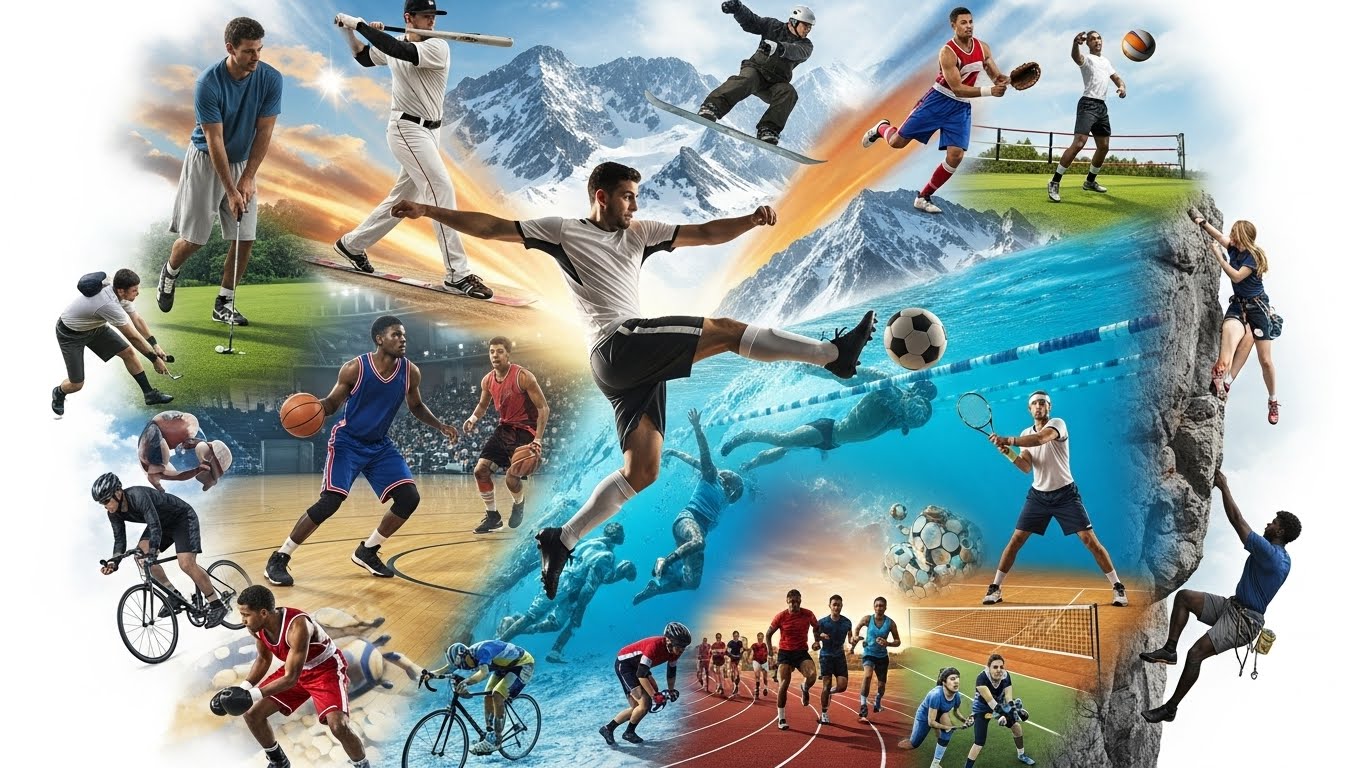
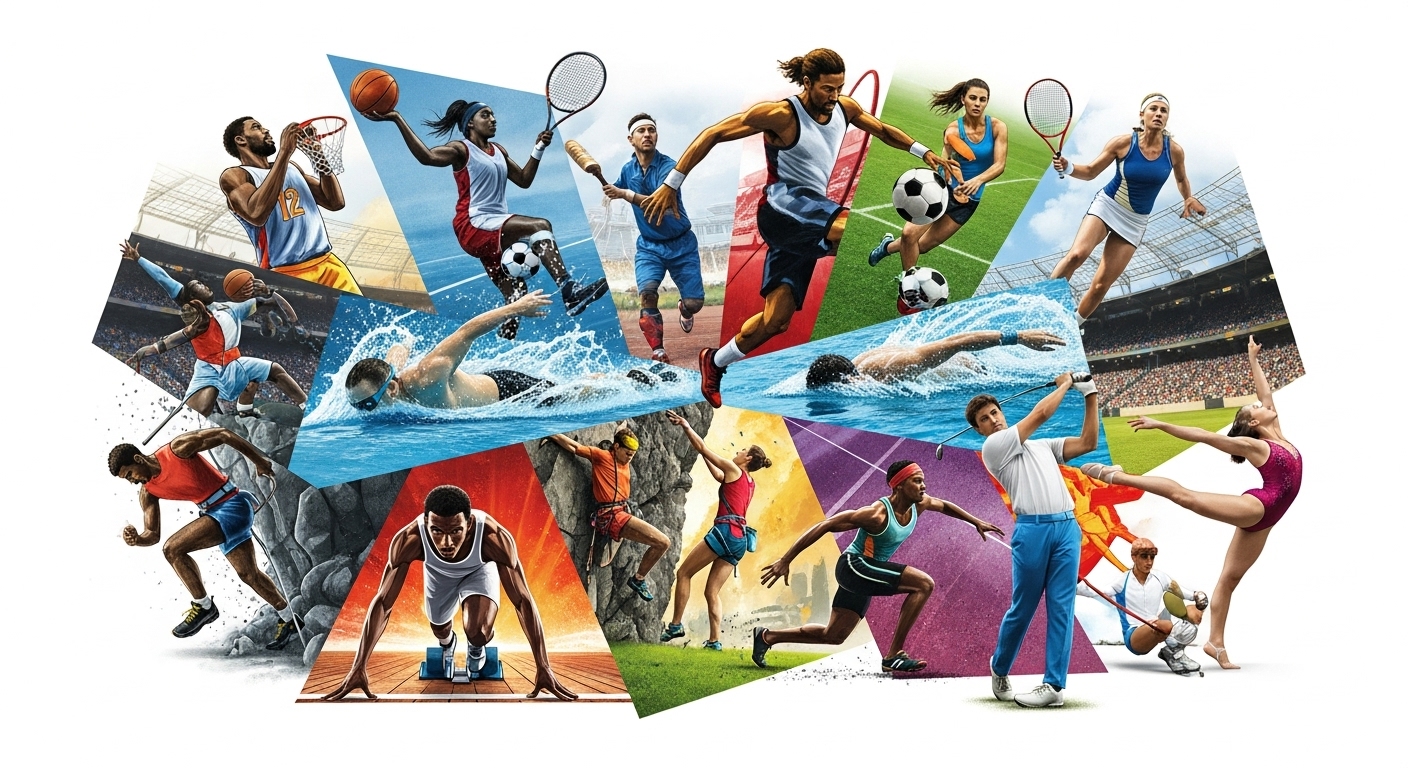
Sports are more than physical activities—they are a reflection of human determination, teamwork, and resilience. From local playgrounds to international arenas, sports inspire individuals to push their limits and foster unity among communities. They teach lessons that extend beyond the field, helping shape character, discipline, and perseverance.
The History of Sports
The history of sports stretches back thousands of years. Ancient civilizations organized games to celebrate strength, skill, and endurance. Over time, informal competitions developed into structured sports with rules, leagues, and international tournaments. Today, sports are a global phenomenon, celebrated and followed by millions, reflecting a shared human passion for competition and achievement.
Physical Benefits of Sports
Participating in sports improves overall health and fitness. Activities like running, swimming, and team games enhance cardiovascular endurance, build strength, and increase flexibility. Regular physical activity also helps maintain a healthy weight, strengthens the immune system, and promotes longevity. Sports encourage an active lifestyle, making them essential for physical well-being.
Mental and Emotional Benefits
Sports also nurture mental and emotional growth. Playing sports teaches focus, patience, and strategic thinking. It helps individuals manage stress, build confidence, and handle victories and defeats with grace. The mental resilience developed through sports translates into everyday life, improving problem-solving skills and emotional stability.
Teamwork and Leadership
Team sports emphasize collaboration and communication. Players learn to rely on one another, coordinate strategies, and work toward a common goal. Leadership skills develop as athletes motivate and guide their peers. These lessons foster responsibility, empathy, and decision-making abilities that extend beyond sports into personal and professional life.
Social Impact of Sports
Sports have the power to unite people across cultures, generations, and social boundaries. Global events like the Olympics and World Cup bring nations together in celebration of talent and achievement. Sports foster a sense of community, inspire pride, and promote values like fairness, respect, and integrity. They create shared experiences that connect people worldwide.
Technology in Sports
Modern technology has transformed sports for athletes and fans alike. Wearable devices track performance, video analysis improves techniques, and live broadcasts allow global audiences to follow events in real time. Technology has made sports more precise, engaging, and interactive, enhancing the experience for everyone involved.
Sports as Inspiration
Athletes inspire millions through dedication, perseverance, and passion. Their journeys of overcoming obstacles and achieving greatness motivate others to pursue their own goals. Sports teach that effort, discipline, and determination are essential for success, both on and off the field.
Conclusion
Sports are more than games—they are a source of physical health, mental strength, and social unity. They teach valuable life skills, build character, and inspire individuals to reach their full potential. By encouraging perseverance, teamwork, and resilience, sports continue to play a vital role in shaping lives and bringing people together across the globe.
If you want, I can create an even more dynamic version with real examples from