
Introduction: More Than Just a Game
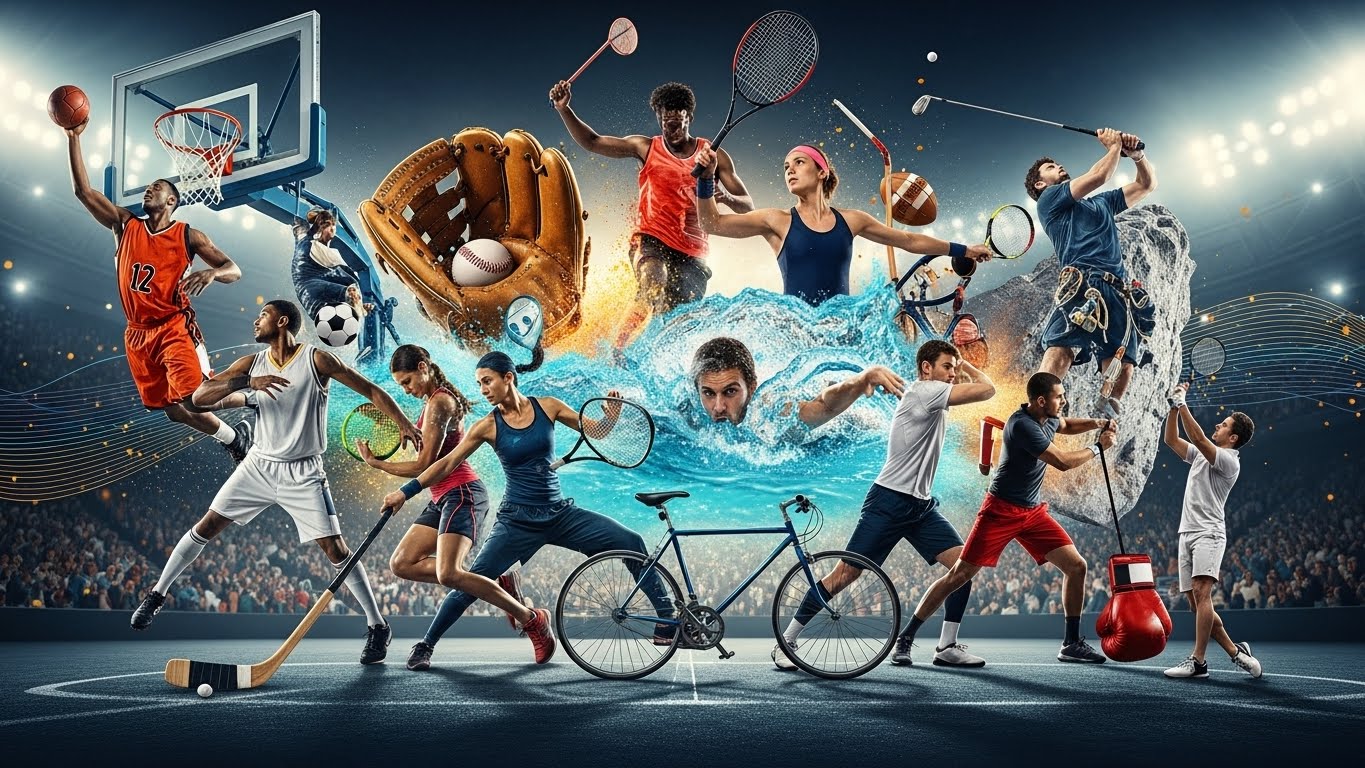
Sports have been an integral part of human culture for centuries. Whether as a means of recreation, competition, or unity, sports offer something far beyond physical activity. They are platforms where passion, perseverance, and purpose collide. They inspire individuals, shape communities, and influence global narratives. From ancient arenas to high-tech stadiums, the spirit of competition and the love for the game have remained constant.
This blog explores the evolving world of sports, how they impact society, the science behind athletic performance, the role of technology, the importance of mental resilience, and why sports remain one of the most influential aspects of modern life.
The Historical Roots of Sports
The history of sports dates back to ancient civilizations. In Ancient Greece, sports were a central part of education and society, culminating in the Olympic Games. Similarly, in Ancient Rome, gladiator contests were a mix of sport and spectacle. Sports like wrestling, archery, and chariot racing were not only entertainment but also displays of strength and skill.
Across the world, traditional sports such as martial arts in Asia, stickball among Native Americans, and various African endurance games show that athletic competition is a global and timeless phenomenon. Each culture developed sports that reflected their values, environments, and traditions.
Today, many of those ancient traditions still influence modern sports, serving as a reminder of how deeply rooted athletics are in our human experience.
The Power of Sports in Modern Society
Sports do more than entertain; they educate, inspire, and unite. Athletes often serve as role models, using their platforms to speak out on important social issues. Historic figures like Muhammad Ali, Billie Jean King, and more recently, athletes advocating for racial equality and gender rights, have shown that sports can be a powerful vehicle for change.
Sport is also a language of unity. Global events like the FIFA World Cup and the Olympic Games bring nations together in celebration of human potential. These events encourage patriotism, but also highlight the beauty of international cooperation and peaceful competition.
On a local level, community sports programs foster discipline, teamwork, and resilience among youth. They provide safe environments for growth, helping children develop physically, emotionally, and socially.
The Science Behind Athletic Performance
Becoming an elite athlete is not just about talent; it is a product of science, discipline, and continuous improvement. Sports science has become a major field, exploring how the human body can be trained, recovered, and optimized for performance.
Nutrition plays a crucial role. Athletes follow personalized diet plans to ensure they have the energy and nutrients required to train and recover efficiently. Supplements, hydration, and timing of meals can all affect performance on the field.
Training programs are no longer based on guesswork. Advanced tools now monitor everything from heart rate and muscle activity to sleep quality and hormone levels. Coaches use data analytics to tailor workouts, prevent injuries, and enhance results.
Recovery is equally important. Techniques like cryotherapy, massage therapy, and even mental visualization are employed to ensure athletes maintain peak performance without burnout or injury.
The Rise of Women in Sports
Historically, women faced significant barriers to participation in sports. But over the past few decades, the landscape has changed dramatically. Female athletes are now leading some of the most watched and celebrated sports competitions globally.
Figures like Serena Williams, Simone Biles, Megan Rapinoe, and many others have not only excelled in their fields but also become symbols of strength, resilience, and advocacy. The growth of women’s leagues in soccer, basketball, cricket, and combat sports has contributed to greater visibility and respect for female athletes.
Despite this progress, challenges remain, including pay disparities, unequal media coverage, and limited access to facilities in many parts of the world. But the momentum is strong, and the future of women’s sports is more promising than ever.
The Impact of Technology on Sports
Technology has revolutionized nearly every aspect of sports. From training to broadcasting, fan engagement to referee decisions, the influence of innovation is undeniable.
Wearable tech allows athletes to monitor performance in real time. Smart shoes, GPS trackers, and heart rate monitors provide feedback that was once impossible to capture during live action.
Video analysis helps teams study their opponents and improve tactics. Drones are used to record training sessions from new angles. Even virtual reality is now being used to simulate game scenarios and mentally train athletes for high-pressure situations.
On the officiating side, technology such as goal-line detection, video assistant referees, and motion sensors ensure more accurate and fair decisions during play.
For fans, immersive viewing experiences, fantasy sports, and augmented reality are making the connection with teams and players more engaging and interactive.
Mental Health and the Athlete’s Mind
As competition becomes more intense and the pressure to succeed increases, mental health has taken center stage in the conversation about athlete well-being. Mental toughness is often praised, but vulnerability and emotional health are just as important.
Athletes like Naomi Osaka and Michael Phelps have openly discussed their struggles with anxiety and depression, breaking the stigma surrounding mental health in sports. Their honesty has sparked necessary dialogue and encouraged the industry to invest in psychological support systems.
Sports psychologists now work closely with athletes to develop focus, handle pressure, recover from setbacks, and maintain a balanced lifestyle. Meditation, visualization, and breathing exercises are commonly used tools in the mental training process.
Recognizing that mental fitness is as crucial as physical conditioning marks a progressive shift in how success in sports is measured.
Youth Sports and Their Lasting Impact
Youth sports are not just a stepping stone for professional careers; they are foundational experiences that shape character and values. Participation in sports during childhood and adolescence helps build self-esteem, teaches discipline, and promotes a healthy lifestyle.
Team sports, in particular, encourage communication, cooperation, and leadership. Young athletes learn how to win gracefully and how to bounce back from defeat. These are life skills that extend far beyond the playing field.
Parents, coaches, and schools play a vital role in nurturing positive sports experiences. Emphasizing fun, learning, and effort over just winning helps keep young athletes motivated and engaged.
The long-term benefits of youth sports include better physical health, improved academic performance, and stronger social skills, making it one of the most valuable aspects of education and development.
The Business of Sports
Sports is also a massive global industry, generating billions in revenue each year. From broadcasting rights and merchandise to sponsorships and ticket sales, the business side of sports fuels its expansion.
Major sports leagues and clubs are now managed like global corporations, complete with marketing teams, financial analysts, and digital strategists. Player transfers can involve huge sums of money, and athlete endorsements can turn players into global celebrities.
With the rise of social media, athletes now manage personal brands, influencing fashion, culture, and even politics. Their reach extends beyond the field, and their voices carry immense weight.
Esports and fantasy leagues are adding new dimensions to the sports economy, attracting younger audiences and transforming traditional business models.
The Role of Sports in Global Identity
Sports often reflect the identity and spirit of a nation. National teams become symbols of pride and unity, especially during international tournaments. Victories bring people together regardless of background, politics, or beliefs.
In times of crisis, sports have also served as a beacon of hope. After tragedies or conflicts, sporting events can help communities heal and move forward. They provide a sense of normalcy, purpose, and togetherness.
At the same time, sports can become a platform for protest and social commentary. Athletes using their stage to speak out against injustice or to promote peace can influence public discourse and policymaking.
The global language of sports transcends barriers, making it one of the most powerful forces in modern culture.
Conclusion: The Endless Journey of Sports
Sports are more than games. They are expressions of human potential, resilience, creativity, and connection. They challenge us to improve, push boundaries, and believe in something greater than ourselves.
From the quiet training grounds to roaring stadiums, from childhood dreams to Olympic gold, the world of sports offers lessons that resonate far beyond the final whistle or buzzer. In a rapidly changing world, sports continue to be a unifying, inspiring, and dynamic force.
Whether you are an athlete, a fan, a coach, or a casual observer, the journey of sports invites you to be part of something timeless and transformative. The pursuit of excellence, the joy of play, and the spirit of competition will always have a place in the heart of humanity.