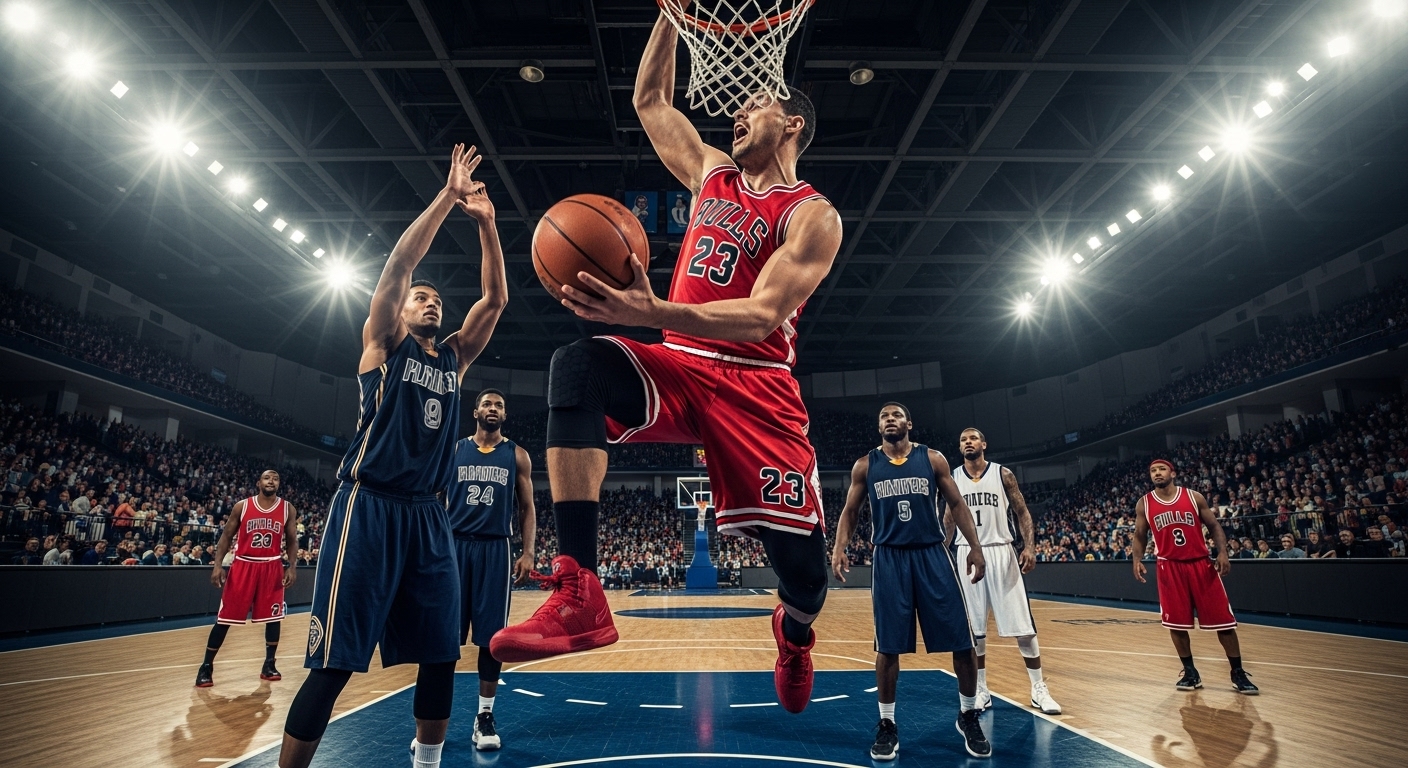
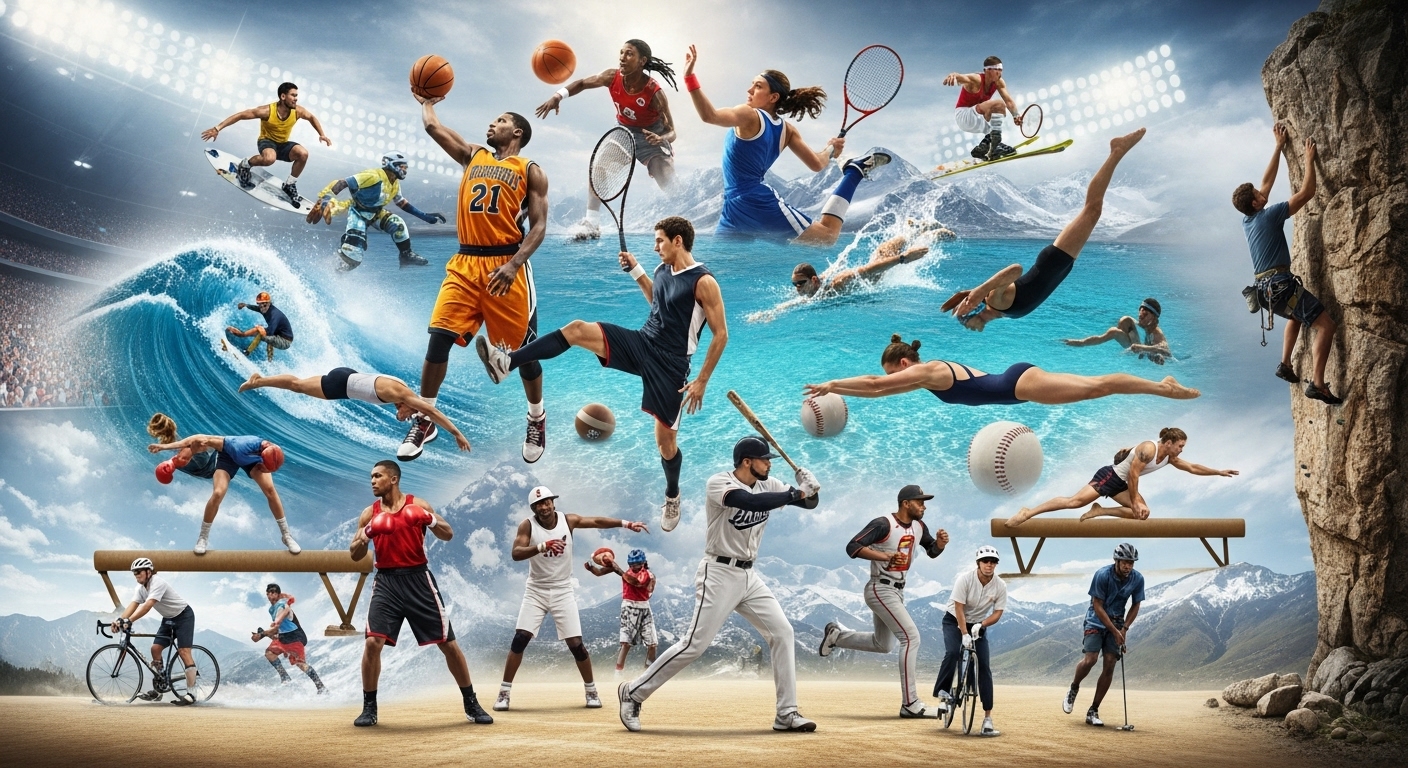
Sports have always been an essential part of human life, connecting people across cultures, generations, and geographies. From ancient games played in dusty arenas to modern stadiums filled with roaring fans, sports capture the essence of human ambition, teamwork, and passion. The thrill of competition, the agony of defeat, and the glory of victory have a universal appeal that transcends borders. Sports are not merely physical activities; they are a reflection of society, a vehicle for personal growth, and a source of collective identity.
The Historical Significance of Sports
Sports are far from a modern invention. Ancient civilizations like the Greeks and Romans held sports in high esteem. The Olympic Games, first held in 776 BC in Olympia, Greece, were not just competitions but cultural and religious festivals. Athletes trained rigorously, representing their city-states, and their victories were celebrated with statues, poetry, and lifelong honor.
Similarly, Roman gladiatorial games, though brutal, were spectacles that demonstrated skill, strategy, and physical endurance. Other cultures also contributed significantly: in Asia, martial arts like kung fu, judo, and kendo evolved not only as methods of self-defense but as disciplined practices promoting physical and mental mastery. Sports, therefore, have always been more than games; they were a stage for human excellence.
The Role of Sports in Society
Sports play a vital role in shaping societies. They bring people together, regardless of social, economic, or cultural differences. Football matches, cricket games, and basketball tournaments create moments of shared emotion. Cities, and sometimes entire nations, unite in support of their teams. Sporting events foster a sense of community, teaching values of cooperation, respect, and fair play.
Moreover, sports often act as a mirror reflecting societal changes. Women’s participation in competitive sports, for instance, has challenged traditional gender roles and inspired generations to pursue equality. Initiatives to make sports more inclusive for individuals with disabilities have transformed perceptions and opportunities, demonstrating that athletic excellence is accessible to all.
Physical Benefits of Sports
Engaging in sports offers unparalleled physical benefits. Regular participation improves cardiovascular health, strengthens muscles and bones, and enhances flexibility and coordination. Endurance sports like running, swimming, and cycling build stamina, while strength-based activities like weightlifting or wrestling develop power and resilience. Sports also aid in weight management and reduce the risk of chronic diseases such as diabetes and hypertension.
Beyond physical conditioning, sports improve motor skills, balance, and reflexes. Children who participate in sports develop better hand-eye coordination and agility, which contribute to their overall growth and confidence. For adults, sports serve as a stress-relieving activity that maintains vitality and longevity.
Mental and Emotional Advantages
While the physical benefits of sports are well-documented, the psychological advantages are equally significant. Sports enhance mental health by reducing anxiety, depression, and stress levels. Engaging in a competitive or recreational sport releases endorphins, often called the “feel-good” hormones, which improve mood and emotional resilience.
Sports also develop critical cognitive skills. Decision-making under pressure, strategic thinking, and problem-solving are all honed in competitive scenarios. Team sports, in particular, cultivate empathy, communication skills, and leadership qualities. Athletes learn to cope with setbacks, develop perseverance, and celebrate successes collectively, which translates into personal growth beyond the playing field.
Sports as a Career Path
For many individuals, sports are more than a hobby—they are a lifelong career. Professional athletes dedicate years to mastering their craft, often beginning training at a young age. Success in sports can lead to fame, financial stability, and opportunities for influence. However, the journey is rarely easy. Athletes face intense competition, rigorous schedules, and the constant risk of injury.
Behind every professional sports star is a support system of coaches, nutritionists, psychologists, and trainers. Their guidance ensures that athletes maintain peak performance while balancing mental and physical health. Moreover, sports careers are not limited to athletes; management, coaching, sports journalism, physiotherapy, and event organization are viable paths that contribute to the thriving sports industry.
Iconic Sports and Their Global Impact
Certain sports have achieved global recognition, becoming cultural phenomena in their own right. Football, or soccer as it is known in some countries, is arguably the world’s most popular sport. The World Cup captivates billions, transcending language, culture, and geography. Legendary players like Pelé, Maradona, and Lionel Messi have inspired generations with their skill, vision, and dedication.
Cricket holds a similar place in countries like India, Australia, and England, where it is more than a sport—it is a tradition. Matches, especially in formats like Test cricket or the Indian Premier League, evoke national pride and social gatherings. Basketball, with its fast-paced gameplay, appeals to audiences worldwide, producing iconic figures such as Michael Jordan and LeBron James, whose influence extends beyond sports into social activism and global branding.
Tennis, athletics, swimming, and martial arts, among others, also contribute to the rich diversity of sports. Each discipline challenges athletes differently, requiring unique combinations of skill, strategy, and stamina.
The Science Behind Sports
Modern sports are increasingly influenced by science. Nutrition, biomechanics, and sports psychology play critical roles in enhancing performance. Athletes follow specialized diets to optimize energy, recovery, and overall health. Training programs are meticulously designed using data analytics and performance metrics to improve technique, prevent injury, and maximize potential.
Technological advancements have transformed sports training and officiating. Wearable devices track heart rate, movement patterns, and fatigue levels, while video analysis enables precise evaluation of performance. Even refereeing has been augmented with technologies like VAR in football or Hawk-Eye in tennis, ensuring fairness and accuracy.
Sportsmanship and Ethics
At its core, sports are a lesson in ethics. The principles of sportsmanship—respect, integrity, and fairness—go beyond the field. True athletes compete with honor, respect opponents, and acknowledge both victories and defeats gracefully. Cheating, doping, and unsportsmanlike behavior may provide short-term gains, but they undermine the spirit of competition.
Sports ethics also emphasize inclusivity. Ensuring equal opportunities for all genders, abilities, and backgrounds fosters a culture where merit and dedication are valued above all else. International events often serve as platforms for promoting peace, solidarity, and mutual respect among nations.
The Cultural Influence of Sports
Sports shape culture in profound ways. They influence fashion, music, and entertainment, with athletes often becoming cultural icons. Sports terminology permeates everyday language, and major events inspire art, literature, and films. Communities celebrate local heroes, creating narratives that instill pride and aspiration.
Furthermore, sports festivals and competitions strengthen local economies, tourism, and infrastructure. From the Olympics to regional leagues, the cultural impact of sports is immense, offering shared experiences that define identities and communities.
The Future of Sports
The future of sports is poised for exciting transformation. Advances in technology, medicine, and training methodologies promise to elevate performance levels to unprecedented heights. E-sports and virtual competitions are redefining what it means to compete, attracting a new generation of enthusiasts. Sustainability in sports infrastructure and eco-friendly event management are gaining importance, reflecting global awareness of environmental responsibility.
Moreover, inclusivity and accessibility will continue to expand. Adaptive sports for differently-abled athletes, gender equality initiatives, and grassroots development programs ensure that sports remain a universal language of opportunity, health, and joy.
Conclusion: Sports as a Universal Language
In essence, sports are far more than games played on fields or courts. They are an integral part of human civilization, a source of inspiration, a means of self-expression, and a platform for social change. The value of sports lies not only in winning medals or breaking records but in cultivating discipline, teamwork, and resilience. Whether playing casually with friends, competing professionally, or cheering from the stands, sports offer a unique experience that connects individuals and communities worldwide.
The enduring appeal of sports lies in its universality. No matter where one comes from, sports speak a language everyone understands—effort, determination, triumph, and celebration. It is this timeless allure that ensures sports will remain a vital and cherished part of human life for generations to come.