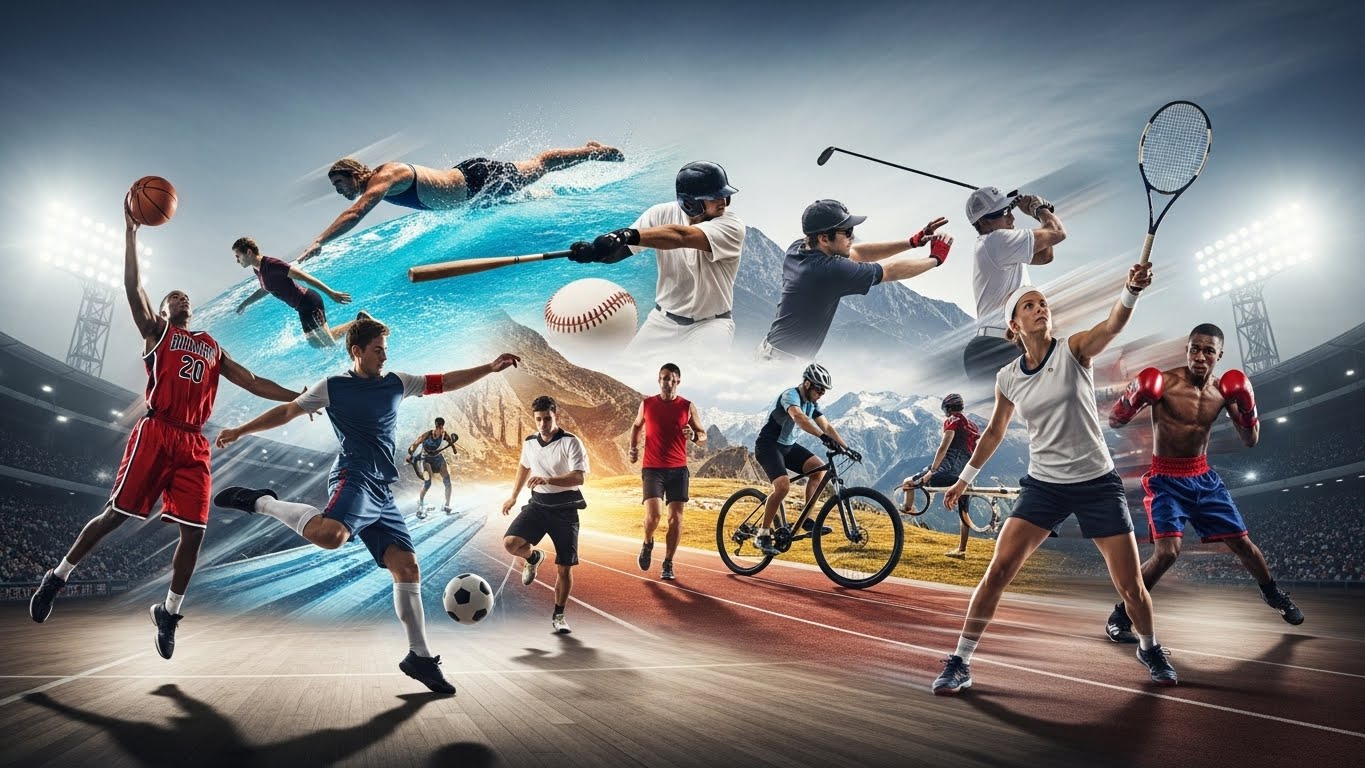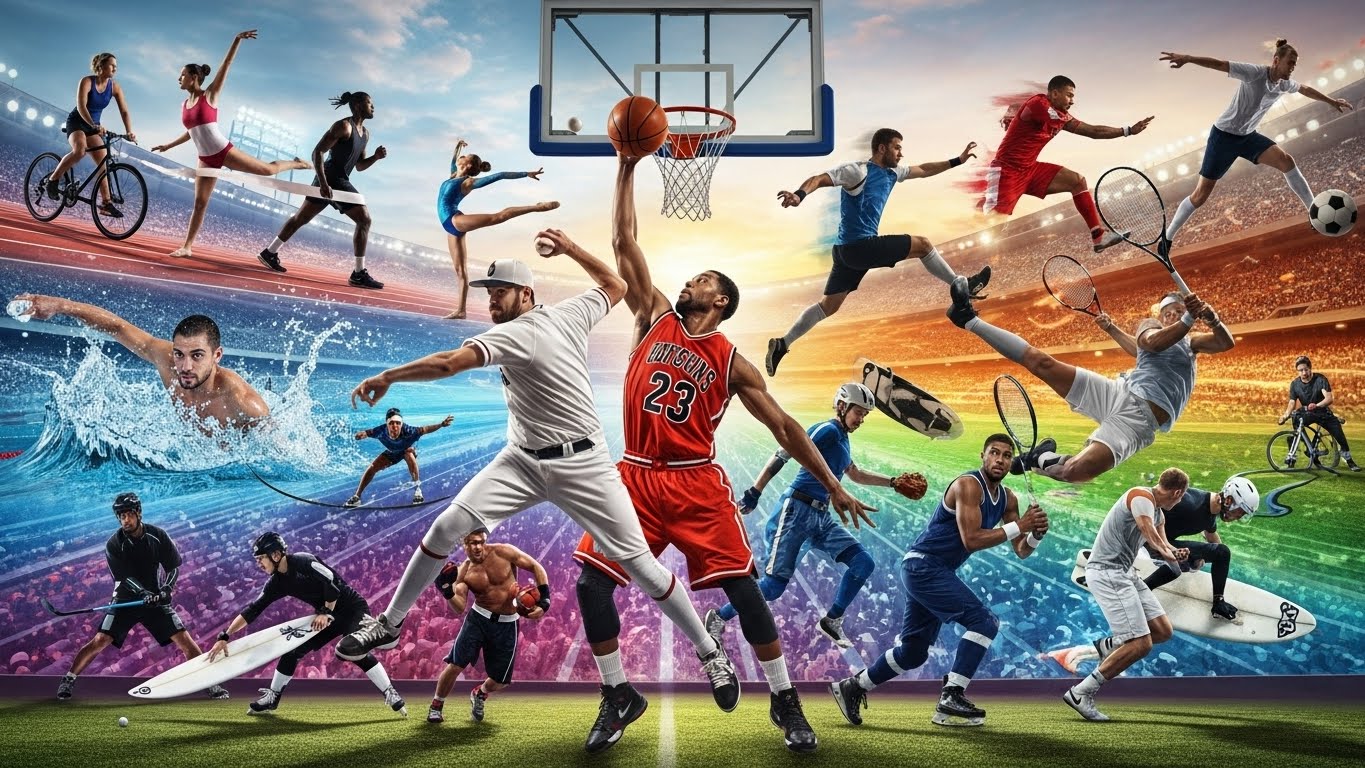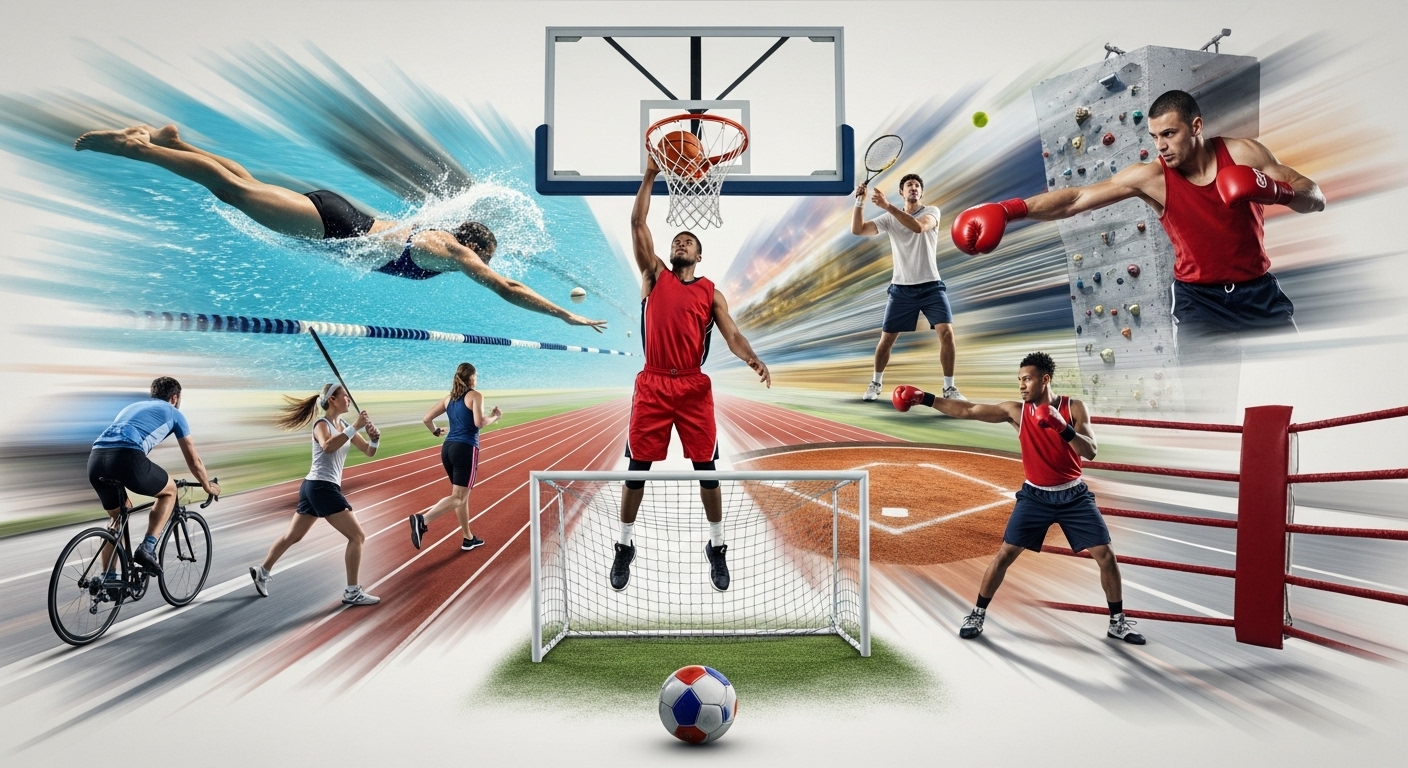
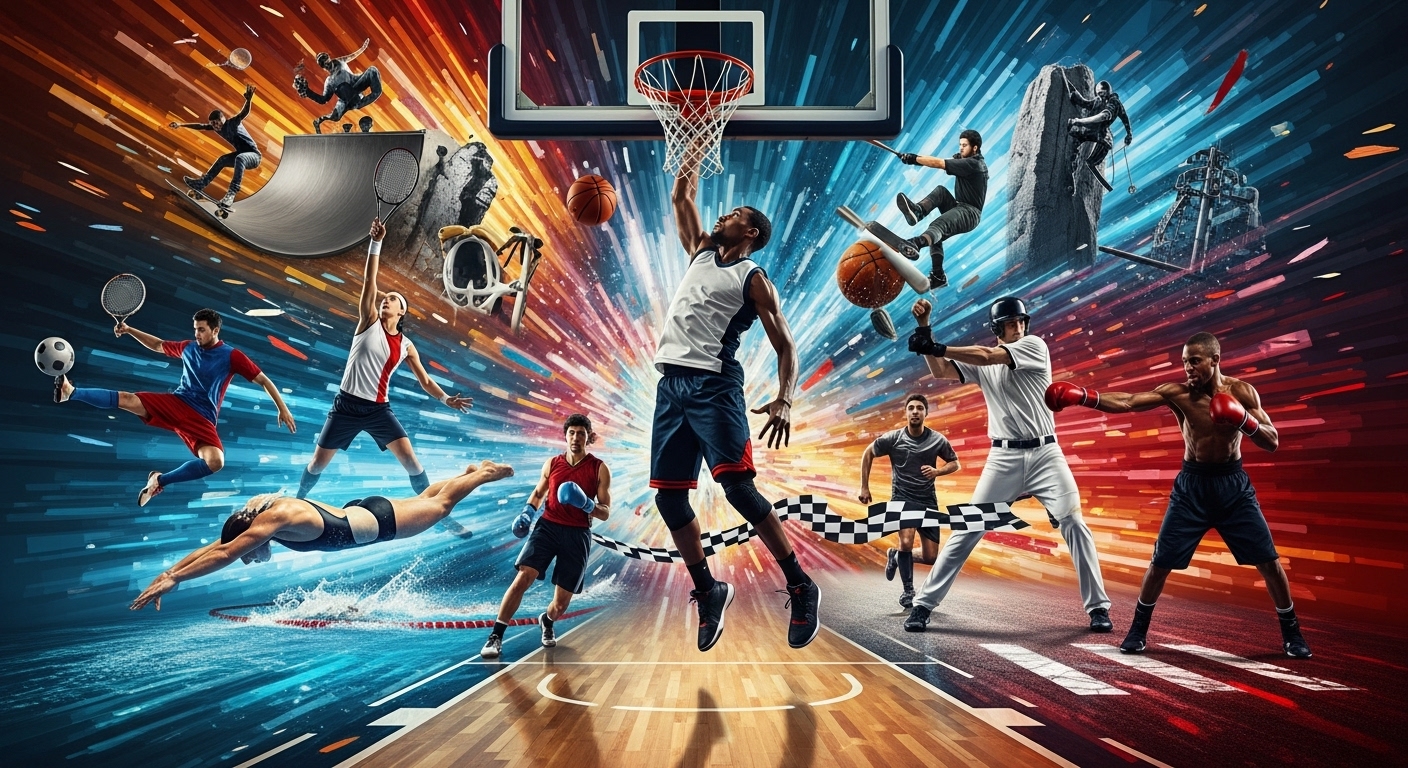
Sports have always been more than just games. They are a reflection of our values, aspirations, and the unique human drive to compete, excel, and connect. Whether it’s the thrill of a last-minute goal, the tension of a nail-biting finish, or the pride of representing a community or nation, sports have the power to unite and inspire. From local playgrounds to grand stadiums, the world of sports holds an unmatched place in shaping individuals and societies alike. This blog takes a deep dive into the multifaceted role sports play in our lives, from personal growth to societal impact.
The Personal Journey: Sports as a Tool for Growth
Engaging in sports is one of the most direct ways individuals can challenge themselves, improve their health, and discover their potential. Whether you’re a professional athlete or simply someone enjoying a recreational game, sports offer a unique platform for personal development.
At the core of every sport is the principle of pushing your limits. Athletes learn discipline, focus, and resilience through regular training, overcoming obstacles, and striving for excellence. For many, the process of setting a goal—whether it’s achieving a personal best or mastering a new technique—provides a sense of accomplishment and pride. This journey is not just physical but mental as well. The ability to bounce back after a defeat or injury is a life lesson that extends far beyond the sports arena.
Moreover, sports build character. The camaraderie between teammates, the accountability to one’s performance, and the lessons of sportsmanship all contribute to shaping individuals who understand the importance of teamwork and perseverance. These lessons are invaluable and apply to every facet of life, from school to work to personal relationships.
Sports and Social Connection: The Power of Teamwork
One of the most beautiful aspects of sports is its ability to bring people together. In both professional and amateur settings, sports have a way of creating a sense of community. Whether it’s the collective excitement in a local football match or the shared experience of watching a grand final on television, sports create a space where differences are set aside, and people unite in a common goal.
In team sports, cooperation becomes paramount. Each player has a specific role, and success depends on the group working together. This idea of unity and interdependence fosters deeper social connections. Teams often become like families, with athletes forming lifelong bonds and supporters feeling a part of something larger than themselves.
For communities, local sports leagues and recreational teams offer a sense of belonging. Whether children are playing soccer in the park or adults are joining a weekend softball league, these activities foster relationships and strengthen community ties. In cities across the world, sports are a reason for people to gather, support each other, and share in the highs and lows of victory and defeat.
The Global Influence of Sports: Uniting the World
While sports hold local significance, they also serve as a powerful global force. Major international events like the Olympic Games, the FIFA World Cup, and the Super Bowl transcend borders and bring together people from all walks of life. These events celebrate not only athletic prowess but also the unity of different cultures and nations coming together in the spirit of friendly competition.
On a global scale, sports have the ability to break down barriers. National pride, while prominent, does not overshadow the shared experience of athletes pushing their physical limits. Fans from opposing countries can engage in respectful rivalry, yet still celebrate the spirit of the game. In times of conflict or social unrest, sporting events often become platforms for peace, where people temporarily set aside their differences and rally behind the universal love of sport.
Athletes who achieve on the global stage often become symbols of hope and inspiration for their countries and communities. Figures like Usain Bolt, Serena Williams, and Lionel Messi are not just celebrated for their skills but for the pride they bring to their nations and the unifying power they represent.
The Economic Impact of Sports: A Multi-Billion-Dollar Industry
Sports are not just a source of entertainment and cultural expression; they are also a significant economic driver. The global sports industry is valued at billions of dollars, with revenue generated from ticket sales, television rights, sponsorships, merchandise, and tourism. Major sports leagues and tournaments contribute massively to local economies by creating jobs and attracting visitors from around the world.
For cities that host large-scale events like the Olympics or the FIFA World Cup, the economic impact can be transformative. In addition to the immediate revenue from ticket sales and tourism, such events often leave a lasting legacy in terms of infrastructure, including improved transportation systems, sports facilities, and housing developments. The ripple effects extend to hospitality, retail, and service industries, making sports a key player in economic development.
Even at the grassroots level, local sports clubs and recreational leagues can stimulate local economies by drawing in families and participants who spend money on equipment, gear, and travel. Sports are not only an economic powerhouse; they also offer opportunities for growth in various sectors, from healthcare to media to technology.
The Social Responsibility of Sports: Advocacy and Change
Athletes and sporting organizations have long used their platform to speak out on societal issues, from racial inequality to gender rights. The role of sports in advocating for change cannot be overstated. Figures like Muhammad Ali, Jackie Robinson, and Billie Jean King used their status to challenge prevailing norms and push for social justice.
Today, athletes continue to leverage their influence to raise awareness about critical issues. From Colin Kaepernick’s protest against racial injustice to the Women’s National Soccer Team’s fight for equal pay, sports provide a stage where important societal conversations can unfold. Athletes often use their visibility to advocate for causes, rallying fans and communities to join in the pursuit of equality, fairness, and human rights.
Moreover, sports organizations are increasingly focusing on creating more inclusive environments. The push for diversity, inclusion, and accessibility in sports has grown exponentially. The rise of women’s sports, the recognition of LGBTQ+ athletes, and the expansion of adaptive sports for people with disabilities are all part of a broader effort to ensure that sports are for everyone, regardless of gender, race, or physical ability.
Looking Ahead: The Future of Sports
As the world of sports continues to evolve, technology, innovation, and inclusivity will play a pivotal role. From advancements in training technology and sports medicine to the rise of esports and virtual competitions, the future of sports is increasingly shaped by technological advancements. These innovations are not only enhancing athletic performance but also changing how fans experience and engage with sports.
Equally important is the continued focus on sustainability and social responsibility within sports. The future will see more emphasis on environmentally conscious practices, ethical considerations, and ensuring that sports remain a positive force for communities around the world.
In terms of inclusivity, the next generation of sports will likely continue to reflect the growing demand for diversity. This shift will not only be seen in professional competitions but also in youth sports programs, where access and opportunities are being expanded to ensure that everyone has the chance to participate.
Conclusion
Sports are much more than just games—they are an intrinsic part of our cultural, economic, and social fabric. From personal growth to global unity, sports shape who we are as individuals and as a society. They foster values of teamwork, perseverance, and community, all while inspiring millions across the globe. As the landscape of sports continues to evolve, their impact will only grow, leaving an indelible mark on the world for generations to come.