Introduction: The Universal Language of Sports
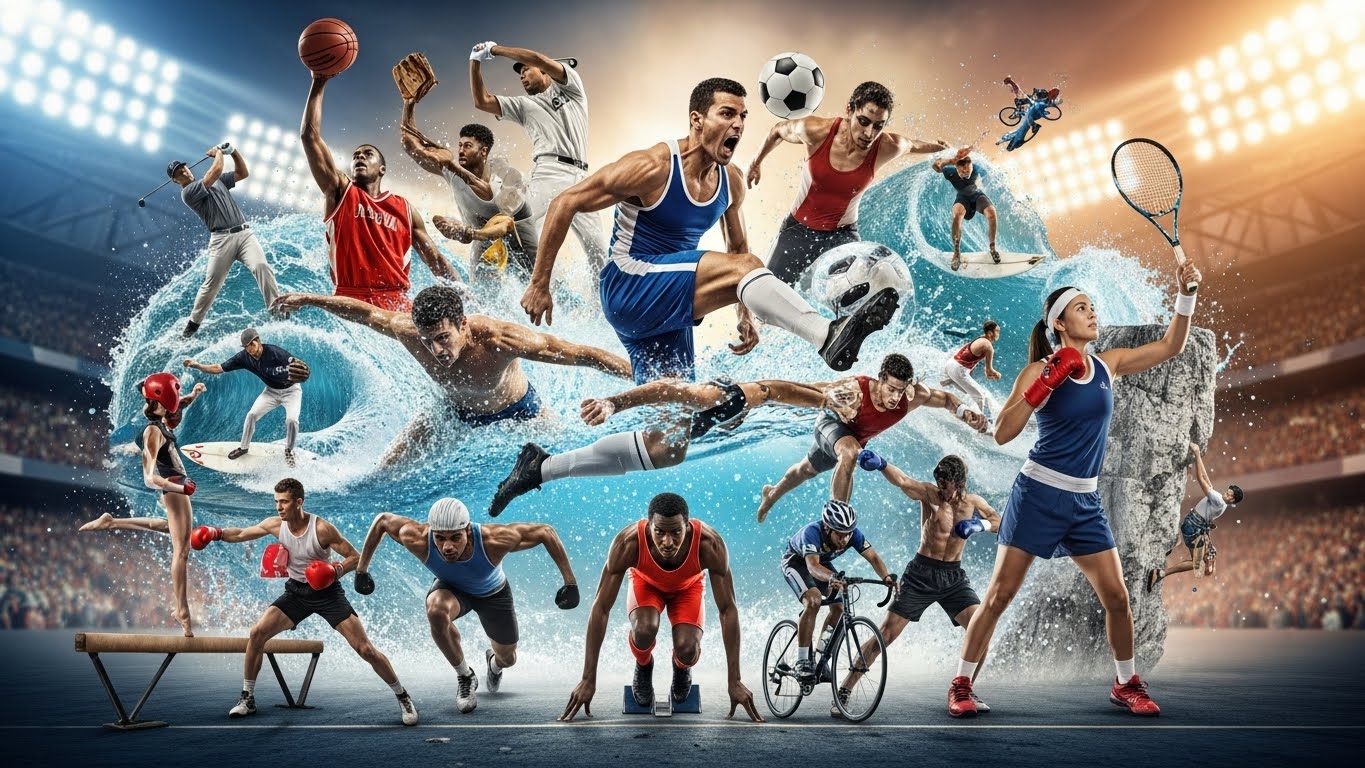
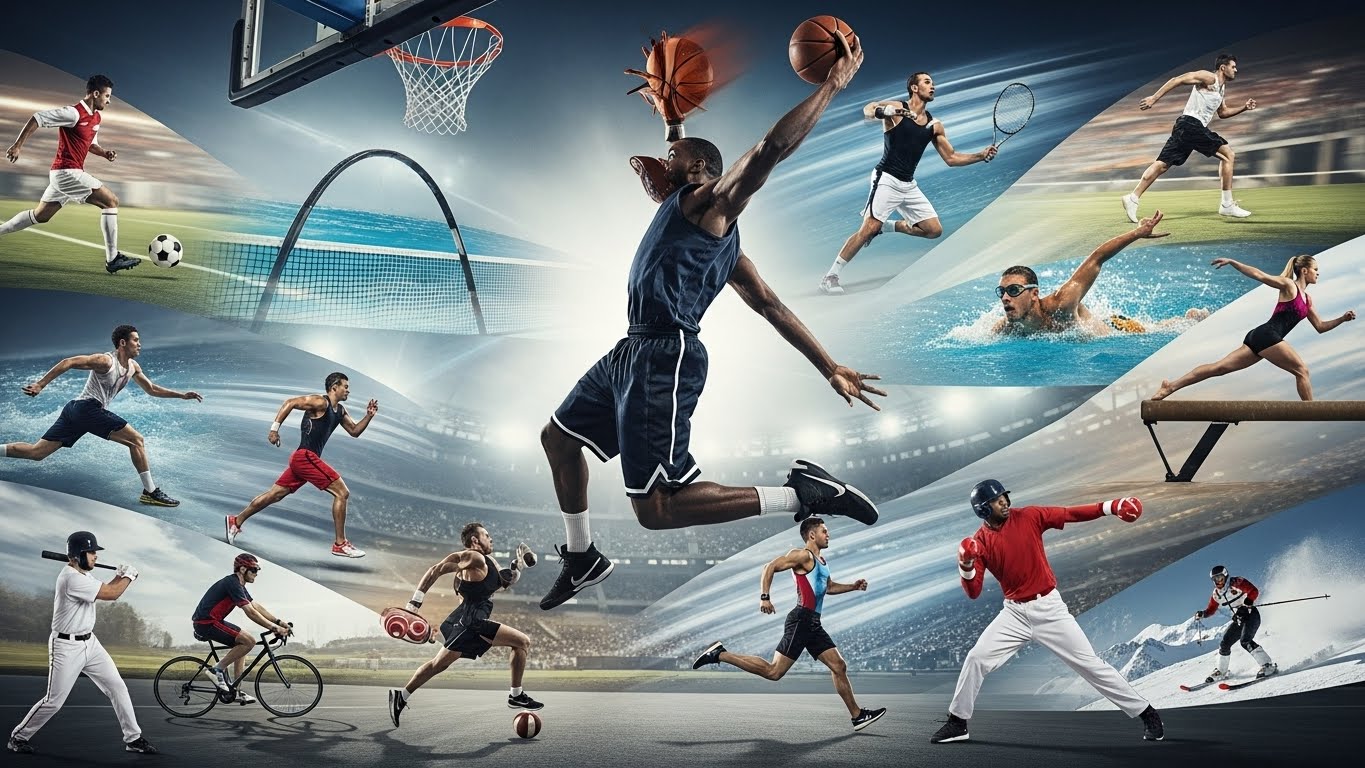
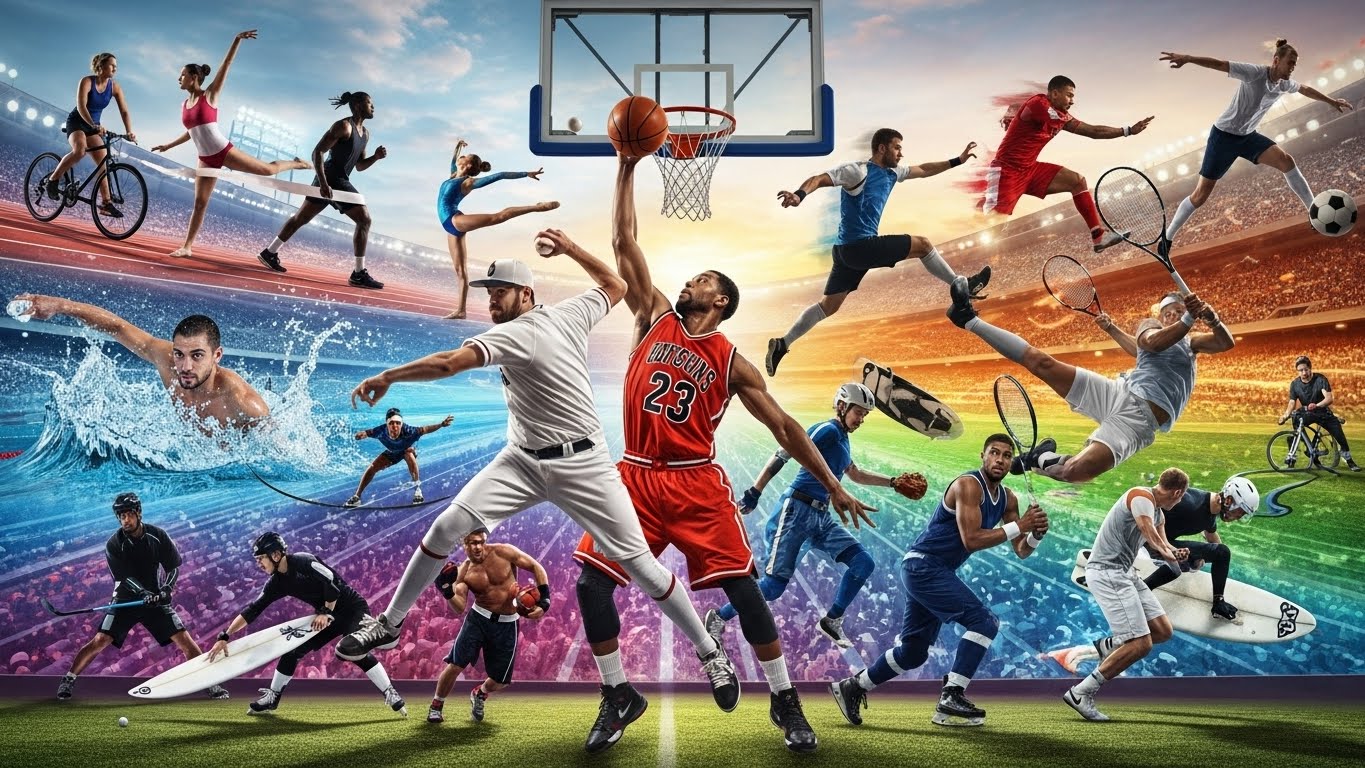
Sports have long been more than just a form of physical activity. They are a universal language that transcends borders, cultures, and languages, bringing people together through shared passion and competition. Whether it is playing a game, watching professional leagues, or participating in local tournaments, sports inspire excitement, dedication, and connection.
In modern society, sports are not only a source of entertainment but also a means to promote health, foster teamwork, and instill life skills. They influence culture, strengthen communities, and teach values that extend far beyond the playing field. This blog explores the multifaceted impact of sports on individuals, communities, and society as a whole.
The Evolution of Sports
Sports have a rich history that dates back thousands of years. Ancient civilizations organized competitive events as a way to train warriors, celebrate festivals, and engage communities. The Olympic Games in Greece, chariot races in Rome, and traditional martial arts competitions in Asia illustrate the historical significance of athletic endeavors.
As societies evolved, so did sports. Modern rules, standardized competitions, and international events emerged to create organized and professional frameworks. Today, sports encompass a wide range of activities, including team sports like football and basketball, individual pursuits such as tennis and athletics, and adventure or extreme sports like rock climbing and surfing. The evolution of sports reflects human creativity, resilience, and the desire to challenge oneself physically and mentally.
Physical Benefits of Sports
Participation in sports provides numerous physical benefits. Regular activity improves cardiovascular health, strengthens muscles, enhances flexibility, and promotes overall fitness. Sports help prevent chronic diseases such as obesity, diabetes, and heart conditions while boosting the immune system.
Additionally, sports improve coordination, agility, and balance. These physical benefits contribute to a healthier and more active lifestyle, which in turn increases energy levels and enhances overall well-being. Physical activity through sports also promotes better sleep patterns and reduces fatigue, providing a foundation for a productive life.
Mental and Emotional Benefits of Sports
Sports are equally beneficial for mental and emotional health. Engaging in physical activity releases endorphins, chemicals in the brain that reduce stress and promote feelings of happiness and relaxation. Sports also provide an outlet for emotions, helping participants manage anxiety, frustration, and tension.
Competitive sports teach resilience, focus, and perseverance. Players learn to cope with victories and defeats, handle pressure, and maintain concentration under challenging circumstances. The psychological benefits of sports extend beyond the game, equipping individuals with tools to navigate life’s challenges effectively.
Character Building Through Sports
One of the most valuable aspects of sports is their role in character development. Through practice, competition, and teamwork, athletes learn important values such as discipline, integrity, and fairness. Sports teach individuals how to set goals, work diligently to achieve them, and accept both success and failure with grace.
Team sports foster collaboration, communication, and empathy. Players learn to support each other, delegate responsibilities, and coordinate strategies to achieve common objectives. Individual sports, on the other hand, emphasize self-discipline, accountability, and personal growth. Together, these experiences shape well-rounded individuals with strong moral and ethical foundations.
Sports and Social Interaction
Sports serve as a powerful social connector. Local clubs, school teams, and community leagues bring people together, fostering friendships and strengthening social bonds. Participation in sports encourages communication, collaboration, and mutual respect among individuals from diverse backgrounds.
At a larger scale, professional sports create communities of fans who share enthusiasm for teams, players, and competitions. Spectator sports provide a sense of belonging and unity, as supporters rally behind their favorite athletes or teams. Sports also encourage community engagement through events, charity matches, and youth programs that bring people together around a common interest.
The Role of Sports in Youth Development
For young people, sports are a crucial part of personal growth. Participation in sports teaches responsibility, time management, and goal-setting while promoting physical and mental development. Youth programs and school competitions provide structured environments where children can learn teamwork, leadership, and perseverance.
In addition to skill development, sports help prevent negative behaviors by engaging youth in productive activities. They provide a safe space to express energy, channel competitiveness, and develop social skills. By fostering confidence and self-esteem, sports equip young individuals with the foundation to succeed in academics, personal life, and future careers.
Sports as Entertainment
Sports are also a major source of entertainment. Fans engage with competitions through live attendance, television broadcasts, and online platforms. The excitement of close matches, the thrill of victory, and the drama of unexpected outcomes make sports captivating for millions worldwide.
The entertainment value of sports extends beyond the field. Commentary, analysis, documentaries, and fan communities create immersive experiences for audiences. Memorable moments, iconic athletes, and historic games contribute to sports culture, making it an integral part of global entertainment.
Women in Sports
The participation of women in sports has grown significantly in recent decades. Female athletes compete at elite levels, inspiring millions and challenging societal stereotypes. Women’s sports provide opportunities for representation, empowerment, and equality.
Major achievements in football, athletics, tennis, and basketball showcase skill, dedication, and resilience. Support for women’s leagues, media coverage, and sponsorships continue to grow, promoting inclusivity and diversity. The rise of women in sports highlights the importance of breaking barriers and providing equal opportunities for all athletes.
Extreme and Adventure Sports
Extreme sports and adventure activities attract those seeking physical challenges and adrenaline. Activities such as mountain biking, surfing, rock climbing, skydiving, and snowboarding test endurance, courage, and strategic thinking.
These sports promote mental toughness and risk management. Participants learn to assess danger, make quick decisions, and maintain composure under pressure. Adventure sports also foster a connection with nature and environmental awareness, encouraging outdoor exploration and physical fitness in unique settings.
Technology and Sports
Technology has dramatically transformed the way sports are played, analyzed, and consumed. Performance tracking devices, wearable technology, and video analysis help athletes improve skills and monitor progress. Coaches use data analytics to develop strategies, assess strengths and weaknesses, and optimize team performance.
For fans, technology enhances the viewing experience. Live streaming, instant replays, and virtual reality bring spectators closer to the action. Social media platforms allow interaction with athletes and teams, creating a more engaging and immersive experience. Technology has bridged the gap between players and audiences, making sports more accessible and interactive.
Sports and Health Awareness
Sports play a critical role in promoting health awareness. Public campaigns and fitness programs often leverage sports to encourage physical activity and wellness. Participation in sports encourages healthy habits, such as proper nutrition, regular exercise, and mental discipline.
Athletes and sports organizations often serve as role models, inspiring individuals to lead healthier lifestyles. Community sports events, marathons, and fitness challenges provide opportunities for people of all ages to engage in physical activity, fostering a culture of wellness and proactive health management.
Global Impact of Sports
Sports have a global impact beyond entertainment. International competitions like the Olympics, FIFA World Cup, and international cricket tournaments bring nations together, fostering diplomacy, cultural exchange, and mutual respect.
Sports also promote economic growth through tourism, infrastructure development, and media rights. Professional leagues and events generate employment opportunities in coaching, event management, marketing, and media. Moreover, sports influence cultural trends, social values, and international relations, making them a significant force in global society.
Mental Resilience and Sports Psychology
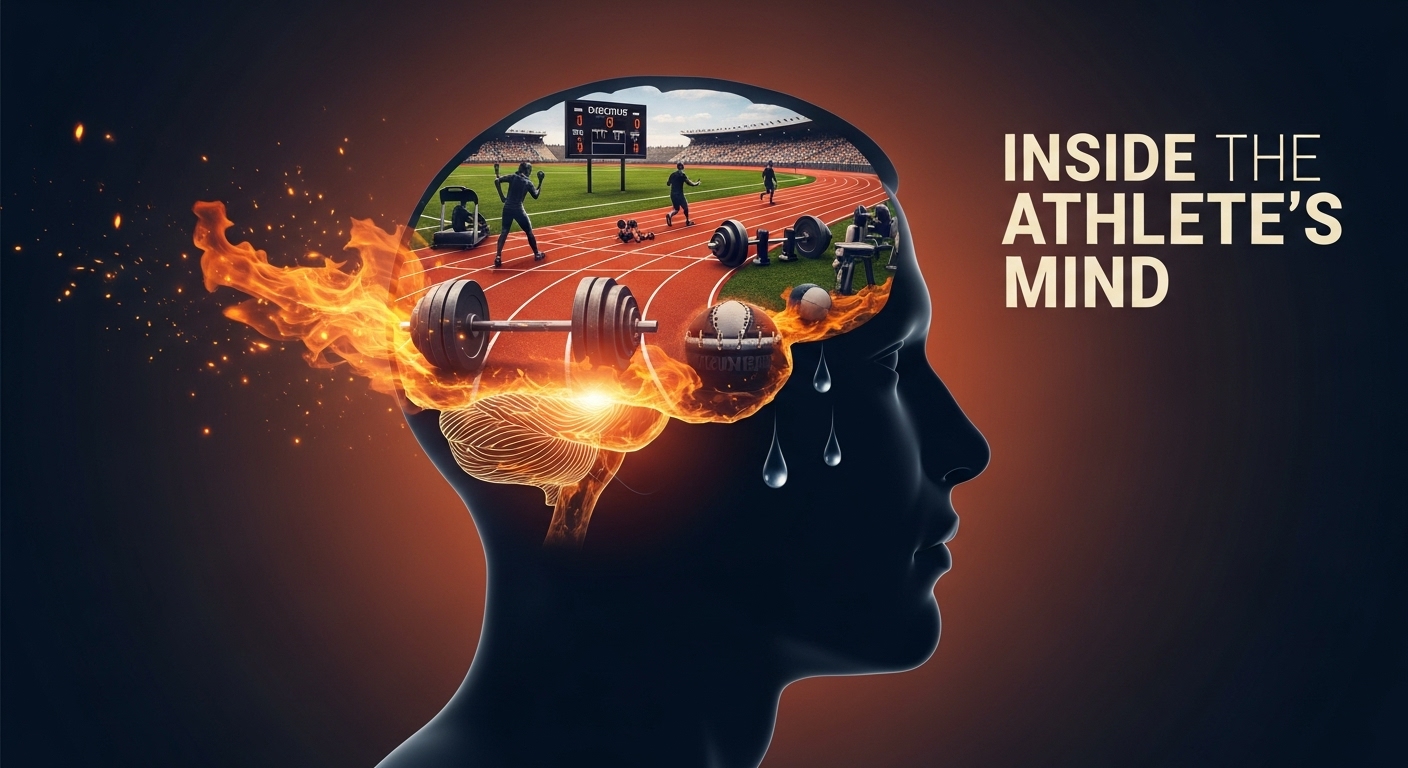
Sports build mental resilience and toughness. Athletes learn to handle pressure, recover from setbacks, and remain focused under high-stakes situations. Sports psychology has become a key aspect of training, helping players develop concentration, confidence, and emotional control.
The lessons learned from sports translate into life skills. Resilience, discipline, and perseverance gained on the field help individuals face challenges in education, careers, and personal relationships. Sports provide a structured environment where mental fortitude is developed alongside physical strength.
Sustainability in Sports
Modern sports organizations are increasingly adopting sustainable practices. Eco-friendly stadiums, energy-efficient facilities, and waste reduction initiatives reflect the growing emphasis on environmental responsibility.
Sustainability in sports also extends to promoting inclusivity, equity, and social responsibility. Sports organizations engage in charitable programs, community outreach, and awareness campaigns, using their platform to drive positive change. By integrating sustainability, sports continue to inspire and lead by example.
Conclusion: The Enduring Influence of Sports
Sports are much more than games; they are a reflection of human values, resilience, and community spirit. They nurture physical fitness, mental strength, and character development while fostering social interaction and global unity. From local youth leagues to international tournaments, sports influence every aspect of society.
As technology, inclusivity, and sustainability continue to evolve, the role of sports will remain vital. They entertain, inspire, and challenge individuals while promoting health, education, and social cohesion. Ultimately, sports demonstrate the enduring power of human ambition, teamwork, and the pursuit of excellence, shaping lives and communities for generations.
Sports are a celebration of effort, determination, and passion. They remind us of the joy of movement, the value of discipline, and the strength of human connection, making them one of the most impactful aspects of modern life.