Introduction: The Power of Sports Beyond the Field
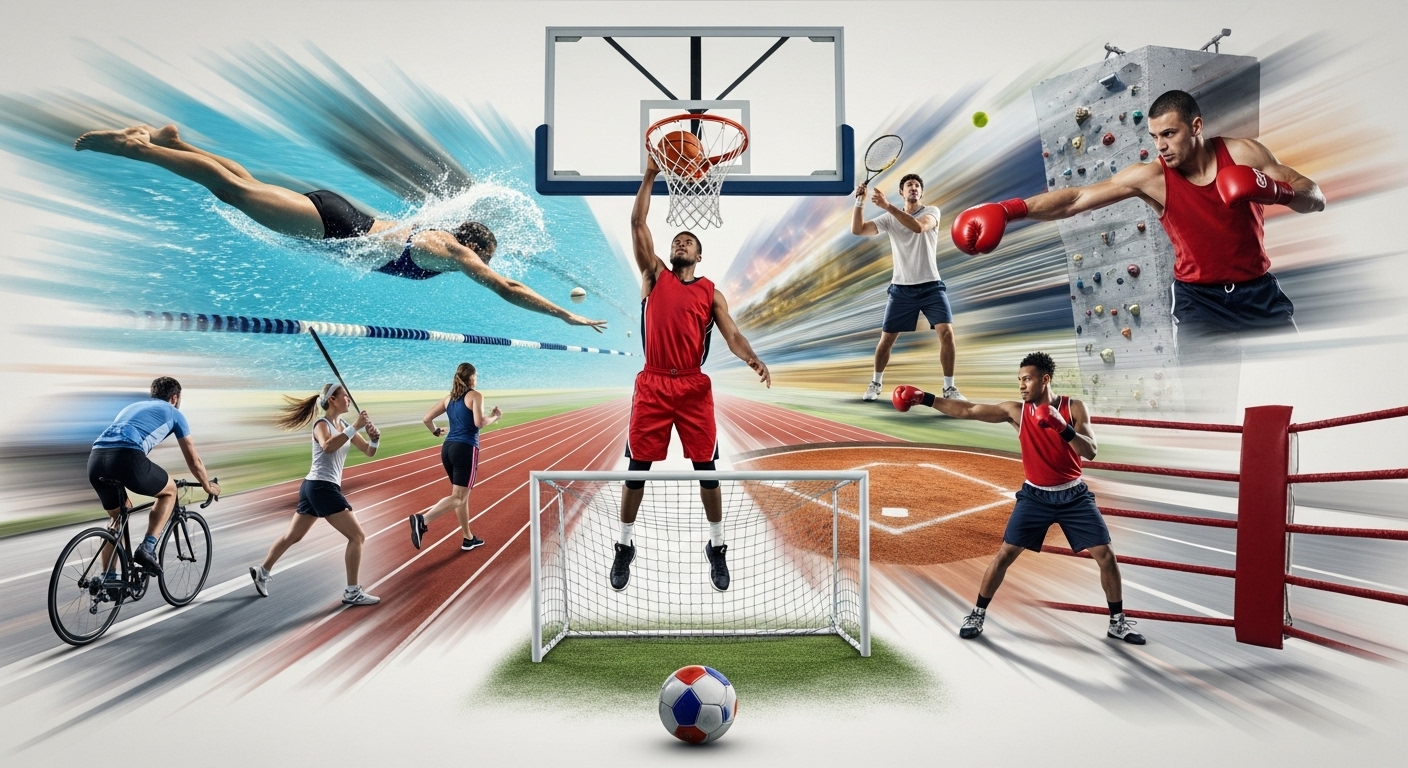
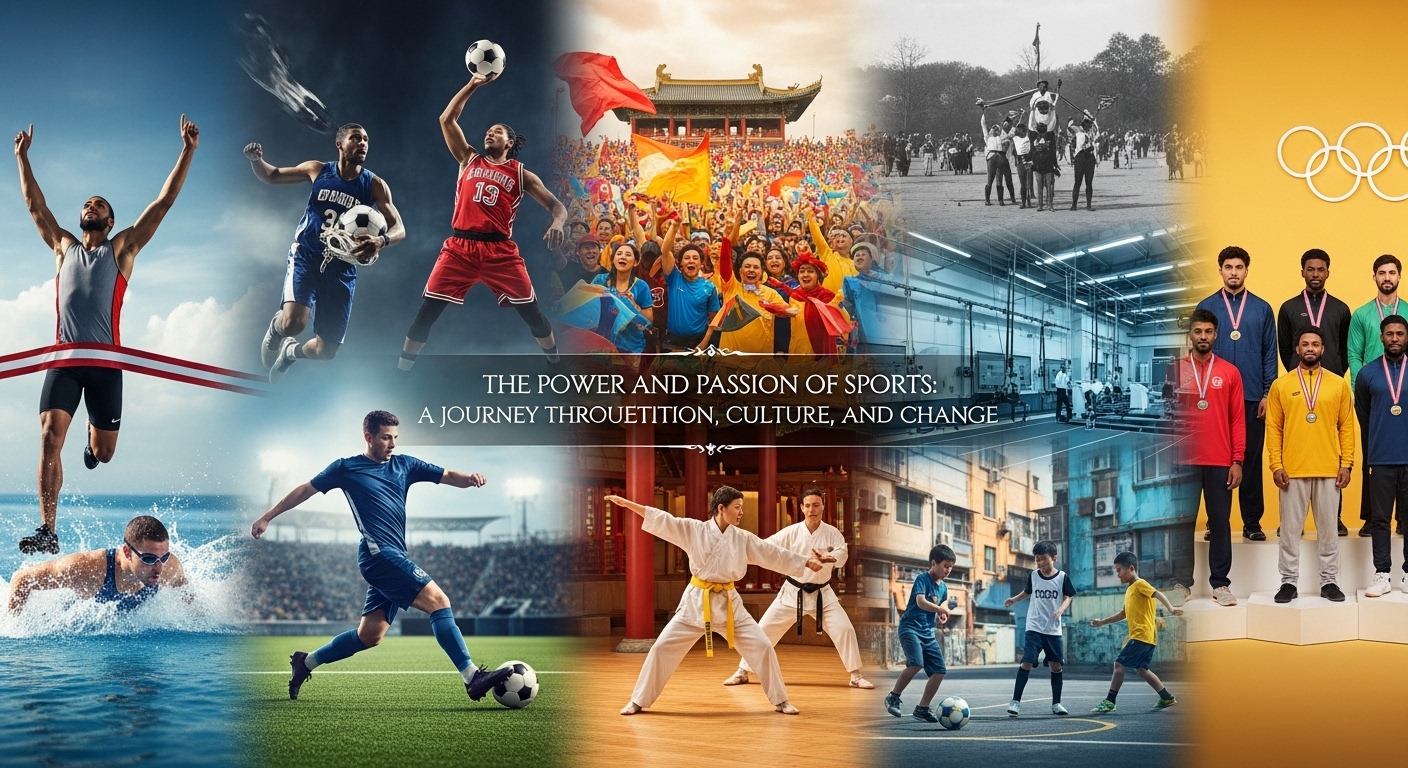
Sports are a universal force that transcends borders, languages, and cultures. They are more than just games played for entertainment or competition—they are a reflection of human perseverance, creativity, and ambition. From local playgrounds to global arenas, sports inspire individuals to push boundaries, unite communities, and cultivate discipline. The influence of sports goes beyond the physical realm, shaping mental resilience, emotional intelligence, and social cohesion. This blog explores the multifaceted role of sports in our lives and why they continue to captivate humanity.
A Historical Perspective: How Sports Shaped Civilizations
The origins of sports stretch back thousands of years. In ancient civilizations, physical contests were often connected to religious rituals, military preparation, or community celebrations. The Greeks organized the Olympic Games to honor their gods, emphasizing not only physical prowess but also strategy and discipline. Similarly, in ancient China, martial arts were developed as a combination of combat training and spiritual practice.
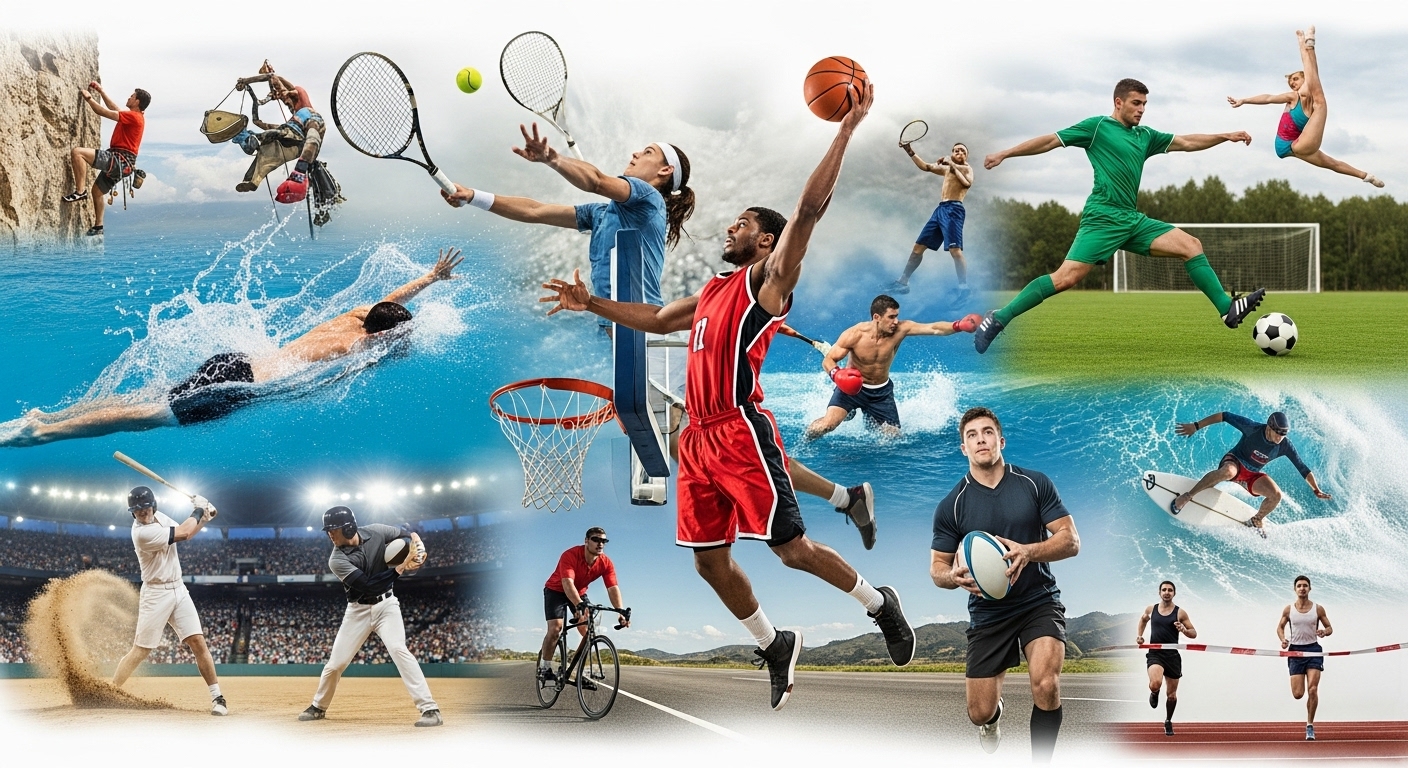
Over centuries, sports evolved from informal contests to organized competitions with formal rules and regulations. Today, sports exist in countless forms, including team-based activities like football and cricket, individual events such as athletics and swimming, and emerging fields like esports. Despite differences in form and scale, the underlying principles of sports—competition, skill, and camaraderie—remain constant.
Physical Benefits: Building Strength, Health, and Longevity
Participation in sports provides profound physical benefits. Regular exercise strengthens the cardiovascular system, improves muscle tone, enhances flexibility, and boosts endurance. Activities like running, swimming, cycling, and martial arts increase aerobic capacity and overall body strength. Strength-based sports such as weightlifting and gymnastics develop power, coordination, and balance.
Sports also play a preventive role against chronic illnesses. Individuals who engage in regular physical activity are less prone to obesity, heart disease, diabetes, and certain types of cancers. Beyond disease prevention, sports help regulate body weight, improve metabolism, and enhance overall physical stamina. Active individuals also experience better sleep patterns, increased energy, and a longer, healthier life.
Mental Benefits: Strengthening the Mind Through Competition
The mental health advantages of sports are equally significant. Participation in physical activity reduces stress, anxiety, and symptoms of depression by releasing endorphins, which naturally elevate mood. Sports cultivate focus, concentration, and decision-making skills, especially in high-pressure situations.
Team sports improve problem-solving abilities, strategic thinking, and cooperation, while individual sports like swimming or running encourage self-discipline and mental resilience. Regular engagement in sports develops confidence, improves self-esteem, and helps athletes overcome fear and uncertainty. These mental benefits extend beyond the field, shaping individuals who are more capable of handling challenges in everyday life.
Life Lessons Learned Through Sports
Sports are a training ground for life. They teach discipline, patience, and commitment. Athletes must adhere to schedules, practice rigorously, and learn to accept constructive criticism. These lessons instill a sense of responsibility that applies to professional and personal life alike.
Team sports foster collaboration, communication, and empathy. Players learn to trust their teammates, coordinate efforts, and celebrate collective achievements over individual glory. Individual sports, on the other hand, teach self-reliance, perseverance, and adaptability. Athletes who experience setbacks learn resilience, understanding that failure is not a final verdict but a stepping stone to improvement.
Leadership and ethical behavior are also core lessons from sports. Captains and leaders guide their teams, motivate others, and make strategic decisions under pressure. These experiences develop leadership qualities that remain valuable long after the game ends.
Social Impact: How Sports Unite Communities
Sports possess a unique ability to bring people together. Local leagues, school tournaments, and neighborhood competitions foster social cohesion, teamwork, and a sense of belonging. Communities rally around their teams, celebrating victories and supporting athletes through challenges.
On a larger scale, sports stimulate local economies by creating jobs, boosting tourism, and encouraging infrastructure development. Hosting national and international events often leads to the construction of stadiums, better transportation systems, and improved public facilities. Sports also serve as a platform for promoting social awareness. Athletes frequently advocate for causes such as education, equality, environmental conservation, and human rights, inspiring collective action and dialogue.
Global Reach: Connecting Cultures Through Competition
Sports bridge cultural divides and foster international understanding. Major events like the Olympics or World Cup bring together athletes and spectators from diverse backgrounds, promoting cultural exchange and mutual respect. Fans around the world share the excitement of competition, often forming connections beyond borders.
Sports also celebrate diversity in style, strategy, and tradition. Different countries bring unique approaches to the same game, enriching the global sporting landscape. International competitions encourage diplomacy, foster goodwill, and highlight the shared human desire for excellence and achievement.
Women in Sports: Breaking Barriers and Inspiring Change
The rise of women in sports has transformed the landscape of competition. Female athletes consistently break records, challenge societal norms, and inspire generations. Increased participation and recognition of women in sports promote gender equality, leadership opportunities, and social empowerment.
Programs that encourage girls’ involvement in sports improve physical health, confidence, and decision-making skills. Women’s achievements in sports also pave the way for future generations to pursue their dreams without barriers, demonstrating that talent and dedication transcend gender.
The Role of Technology in Modern Sports
Technology has revolutionized the way sports are played, analyzed, and experienced. Wearable devices monitor heart rates, muscle activity, and performance metrics, allowing athletes to optimize training and reduce injury risks. Video analysis and simulation tools enhance tactical understanding, making preparation more precise and effective.
Fans also benefit from technological advancements. Live streaming, instant highlights, and virtual reality experiences bring spectators closer to the game than ever before. Smart stadiums incorporate digital ticketing, fan engagement tools, and energy-efficient systems, enhancing both convenience and sustainability. Technology ensures that sports continue to evolve while remaining engaging and accessible to a global audience.
Youth Sports: Nurturing the Leaders of Tomorrow
Youth participation in sports is critical for physical, mental, and social development. Children involved in sports develop fitness, coordination, and stamina while learning essential social skills. Team sports foster cooperation and empathy, while individual activities encourage independence and focus.
Sports also provide structured environments for children to explore their talents, build confidence, and form lasting friendships. Early exposure to sports instills healthy habits and resilience, preparing young people to face life’s challenges with determination and grace. Encouraging youth participation strengthens communities and nurtures the next generation of leaders, both on and off the field.
Sportsmanship: The Essence of Fair Play
True sportsmanship emphasizes integrity, respect, and ethical behavior. Athletes who display sportsmanship honor the game, their opponents, and themselves. Winning with humility and losing with dignity exemplifies the values that sports instill in players and spectators alike.
Sportsmanship teaches respect for rules, opponents, and teamwork. It demonstrates that competition is not solely about victory but also about character, effort, and mutual appreciation. These lessons extend to daily life, influencing personal interactions and professional conduct.
The Future of Sports: Innovation, Inclusion, and Sustainability
The future of sports promises exciting developments. Advancements in technology, data analytics, and equipment design will continue to enhance performance and safety. Sustainability efforts, including eco-friendly stadiums and responsible event planning, are becoming integral to sports’ global footprint.
Inclusion remains a priority, with opportunities expanding for women, differently-abled athletes, and marginalized communities. Adaptive sports, mixed-gender competitions, and esports reflect the evolution of the sporting landscape, ensuring that everyone has access to the benefits and joys of participation.
Sports will continue to inspire, challenge, and connect humanity. As long as there are individuals willing to strive, communities eager to unite, and cultures ready to celebrate achievement, sports will remain a vital part of life.
Conclusion: The Enduring Legacy of Sports
Sports shape lives in ways that extend far beyond the playing field. They improve physical health, strengthen mental resilience, foster social bonds, and teach invaluable life lessons. They bring communities together, bridge cultural divides, and inspire future generations to strive for excellence.
Whether as a player, fan, or supporter, engaging with sports teaches passion, perseverance, and integrity. They remind us of our shared humanity and the power of collaboration, determination, and fair competition. Sports are not just games—they are a celebration of the human spirit, reflecting the best of who we are and the heights we can achieve together.