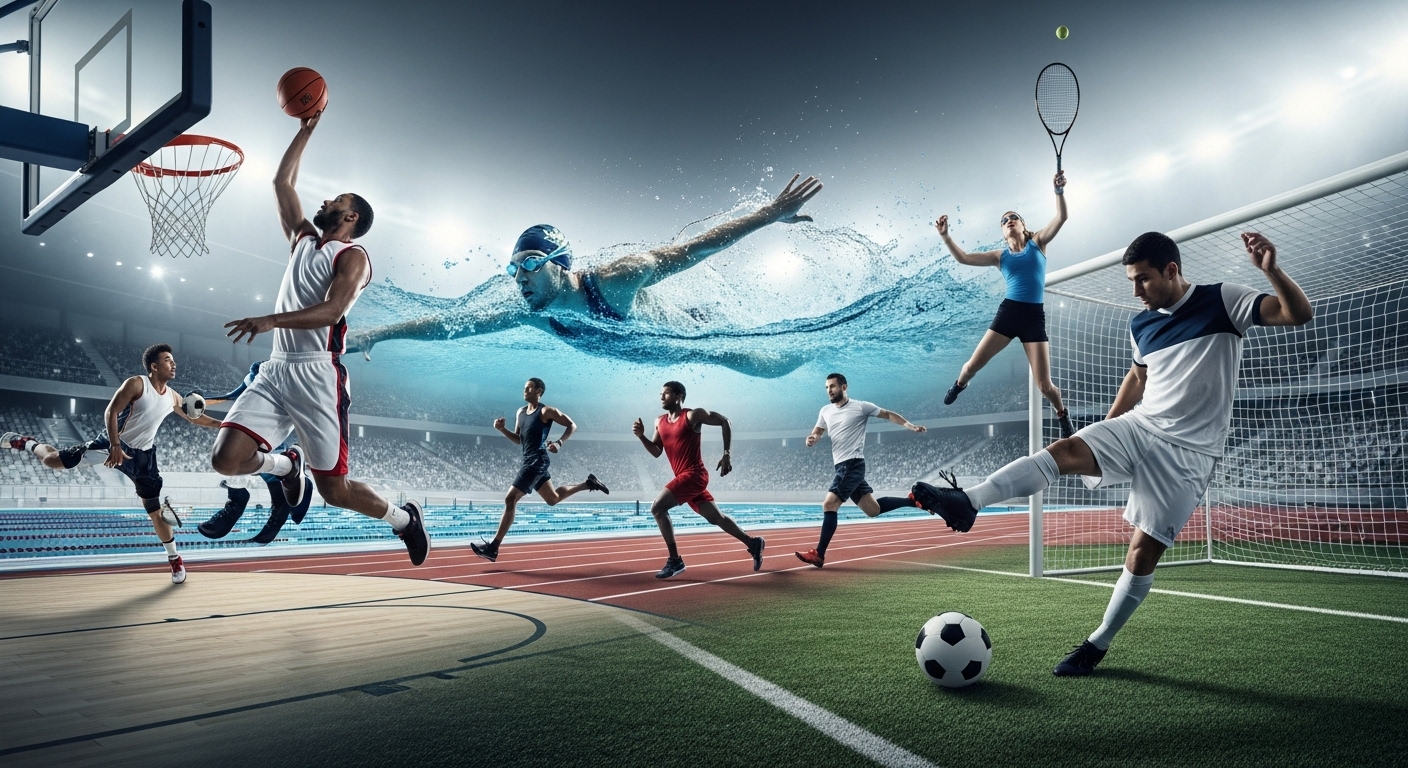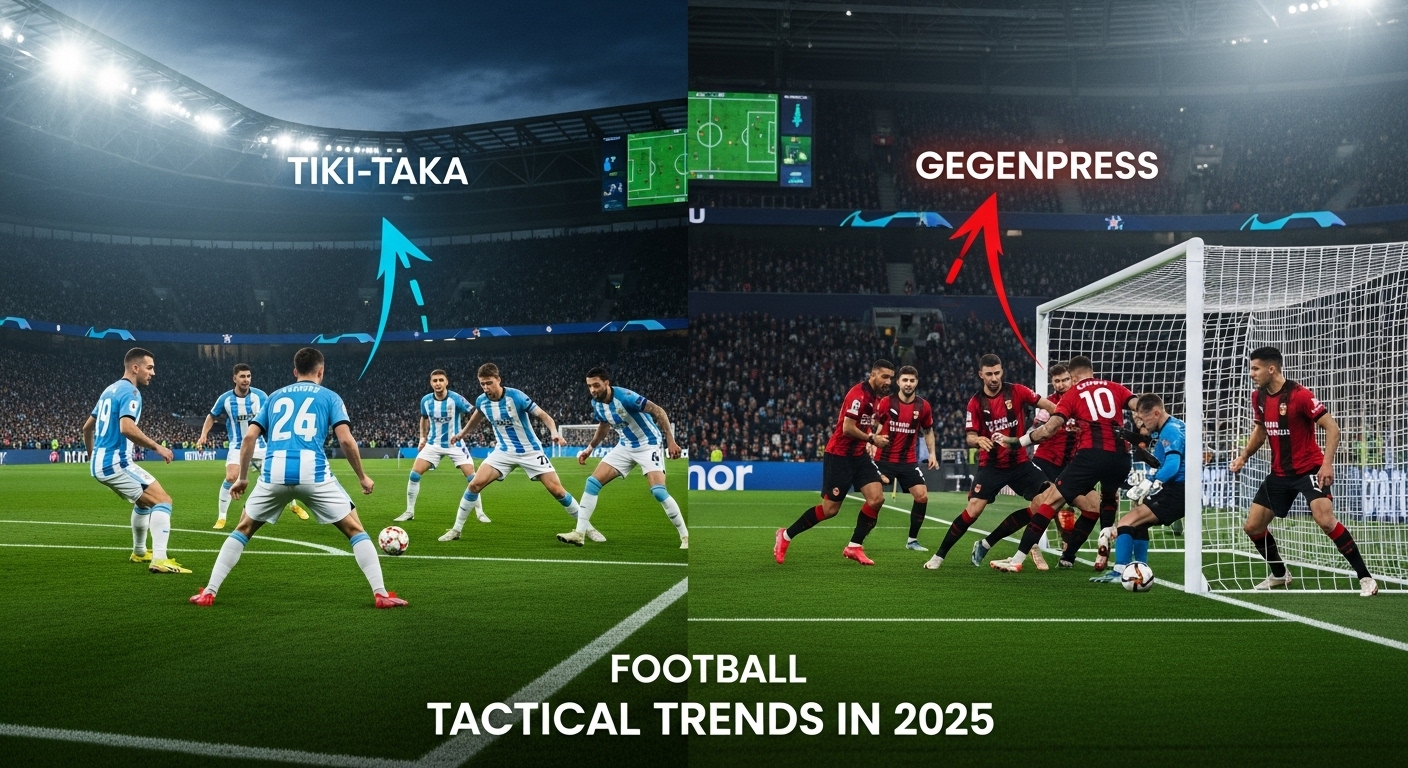
Sports have always been a part of human culture, transcending time, geography, and social boundaries. Whether it’s the rush of a soccer match, the precision of a tennis serve, or the adrenaline of a sprint, sports offer more than just physical exercise. They provide an avenue for personal growth, community connection, and cultural understanding. In this blog post, we will explore the transformative power of sports in shaping individuals, communities, and societies.
The Universal Language of Sports
One of the most profound aspects of sports is its ability to unite people from all walks of life. Regardless of nationality, ethnicity, or language, sports create a shared experience where individuals can communicate and bond without the need for words. The unspoken connection between athletes and fans, the celebration of a victory, or the collective heartbreak after a loss transcends differences and creates a sense of global camaraderie.
For example, events like the FIFA World Cup or the Olympics bring together millions of people across the world. Despite the cultural differences between the competing nations, sports create a unique platform for mutual respect and admiration. The focus shifts away from divisions, and the world rallies around the pursuit of excellence, teamwork, and fair play. In this sense, sports are not just games; they are a global language that fosters peace and understanding.
The Role of Sports in Personal Development
Sports can be a powerful tool for personal growth, providing individuals with lessons that extend far beyond the playing field. The qualities that athletes cultivate through their dedication and practice can translate into numerous aspects of life, including education, career, and relationships.
Discipline and Focus
One of the most significant lessons learned from sports is discipline. To excel in any sport, athletes must commit themselves to regular practice, sacrifice personal time, and adhere to strict training routines. This level of commitment requires an extraordinary amount of focus, which is transferable to other areas of life. Whether it’s sticking to a study schedule or maintaining consistency in the workplace, the discipline developed through sports helps individuals achieve their goals.
Teamwork and Leadership
Another key aspect of sports is teamwork. In many team-based sports, success is rarely achieved by one person alone. The synergy of team members working together toward a common goal teaches athletes the importance of cooperation, collaboration, and trust. These lessons are essential in both professional and personal life, where teamwork is often required to solve problems and achieve success.
In addition to teamwork, sports also foster leadership skills. Captains of sports teams, for instance, are often expected to motivate, guide, and inspire their teammates. The challenges and pressures of leadership in a sports context provide valuable experience that can be applied to other leadership roles in business or community organizations.
Resilience and Overcoming Failure
Sports also teach resilience. Every athlete faces setbacks—be it a loss, an injury, or a missed opportunity. How they respond to these challenges is crucial to their personal development. Athletes learn to pick themselves up after a loss, refocus their efforts, and return stronger. This ability to bounce back from failure is a valuable life skill that helps individuals overcome obstacles in all areas of life.
Sports and Mental Health: A Path to Well-being
In addition to the physical benefits, sports have a significant impact on mental health. The physical activity involved in sports triggers the release of endorphins, which are natural mood boosters. This chemical response can alleviate stress, anxiety, and depression, making sports a powerful tool for improving mental well-being.
Stress Relief and Mental Clarity
Participating in sports offers an escape from the pressures and stresses of everyday life. Whether it’s through the intense focus required in a game or the relaxation that comes from a jog through the park, sports allow individuals to disconnect from their worries and find clarity. Regular participation in sports can reduce feelings of stress, enhance mood, and improve overall emotional stability.
Building Confidence and Self-Esteem
Sports can also play a critical role in building confidence. The sense of accomplishment that comes from mastering a skill, winning a competition, or achieving a personal best provides a powerful boost to self-esteem. For many individuals, especially young people, sports offer an opportunity to feel valued, recognized, and capable.
Additionally, being part of a sports community—whether it’s a local soccer team or an online fitness group—can provide a sense of belonging and support, which is crucial for maintaining good mental health.
Sports as a Catalyst for Social Change
Beyond the personal benefits, sports have the potential to bring about significant social change. Athletes and sporting events can serve as powerful platforms for addressing social issues, raising awareness, and fostering inclusivity.
Breaking Down Social Barriers
Sports have the power to break down social barriers and promote inclusivity. Historically, athletes have used their platform to challenge racial, gender, and economic inequalities. Iconic figures like Jackie Robinson, Billie Jean King, and Colin Kaepernick have used sports to confront societal issues and push for progress. These athletes not only changed the course of sports history but also played a crucial role in advancing civil rights and social justice.
In recent years, sports organizations have made a concerted effort to create more inclusive environments, particularly for women, LGBTQ+ individuals, and marginalized groups. This trend is evident in the growing visibility of women’s sports, the inclusion of openly LGBTQ+ athletes, and the increased focus on mental health in sports culture.
Sports and Community Building
Sports are also powerful tools for community building. Local teams, amateur leagues, and recreational sports programs bring people together, fostering a sense of belonging and unity. These activities provide a sense of purpose, whether it’s a child’s first soccer match or a community’s annual marathon. In many ways, sports create social infrastructure—spaces where people from different backgrounds can gather, interact, and form lasting relationships.
Additionally, sports have been used in post-conflict regions to heal divided communities. Initiatives that bring together children from different ethnic or religious backgrounds through sports can break down prejudices and promote understanding. By emphasizing teamwork and mutual respect, sports help bridge divides and heal old wounds.
The Economic Impact of Sports
Beyond their social and personal benefits, sports also have a significant economic impact. The sports industry is a multi-billion-dollar global sector, encompassing everything from professional leagues and events to grassroots programs and sporting goods.
Job Creation and Economic Growth
The sports industry provides millions of jobs worldwide. From athletes and coaches to broadcasters, event planners, and facility workers, the sector supports a wide range of professions. Major sporting events, such as the Super Bowl or the Olympic Games, generate substantial revenue through ticket sales, broadcasting rights, merchandise, and tourism, contributing to local economies and national GDP.
Investment in Infrastructure
Large-scale sporting events also drive investment in infrastructure. Cities that host the Olympics or World Cups often undergo significant urban development, which can leave a lasting legacy. New stadiums, improved transportation systems, and better public facilities are just some of the long-term benefits that can come from hosting international sporting events.
The Future of Sports: Innovation and Technology
As we look to the future, sports will continue to evolve with advancements in technology and innovation. From virtual reality and augmented reality experiences to advanced analytics and performance tracking, technology is changing the way athletes train and compete.
Enhancing Fan Engagement
One of the most significant trends in sports technology is the way it is enhancing fan engagement. Virtual reality and augmented reality are offering fans immersive experiences, allowing them to feel closer to the action than ever before. Social media platforms are also allowing fans to connect with athletes and each other in new ways, creating a global community around sports.
Performance Analytics and Injury Prevention
Technological advancements are also revolutionizing the way athletes train and perform. Wearable devices, performance analytics software, and AI-driven tools are enabling athletes to optimize their performance and prevent injuries. These innovations are not only improving the quality of sports but are also helping to keep athletes safer and healthier for longer.
Conclusion: The Enduring Power of Sports
Sports are more than just a form of entertainment or physical exercise. They have the power to transform individuals, communities, and societies. From promoting personal growth and mental well-being to driving social change and economic development, sports are integral to our lives in ways that go far beyond the field of play.
As we continue to embrace the global language of sports, it’s important to remember that sports are not just about winning or losing. They are about growth, resilience, unity, and the collective human experience. The transformative power of sports will continue to shape the world for generations to come, reminding us all of the power of teamwork, perseverance, and the joy of the game.