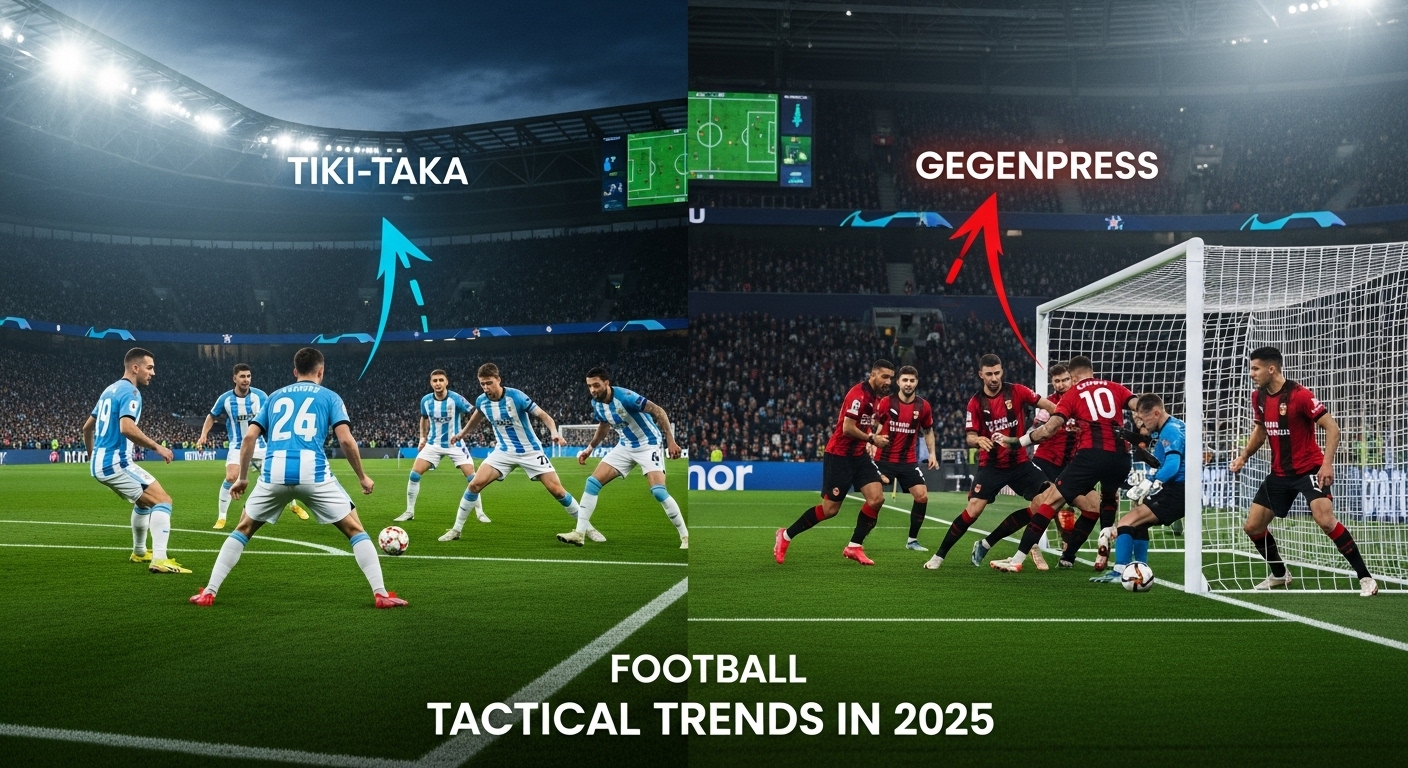
Sports have long been a cornerstone of culture, entertainment, and physical well-being across the world. From football to cricket, basketball to tennis, the excitement of competition brings people together in ways few other activities can. However, the true essence of sports is not always confined to what happens on the field. There are layers to sports that go far beyond the visible moments of victory and defeat. This blog explores the unseen aspects of sports—those that transcend the game itself, from mental resilience to community impact, and everything in between.
The Mental Toughness Behind the Athlete
When we watch athletes perform at the highest level, it’s easy to assume their success is solely due to physical prowess or sheer talent. However, mental resilience is often the secret ingredient that separates the good from the great.
Athletes are constantly under pressure to perform, facing not only external expectations but also personal ones. The mental fortitude required to deal with setbacks, injuries, and the stress of competition is something that rarely gets the attention it deserves. Whether it’s a tennis player bouncing back from a double fault or a football player recovering from a lost game, it’s mental resilience that allows them to stay focused and rise again.
In sports psychology, much emphasis is placed on visualization, self-talk, and concentration exercises, helping athletes build the mental muscle necessary for peak performance. The ability to stay calm under pressure or stay motivated during a losing streak is as critical as physical conditioning.
The Power of Teamwork: More Than Just a Group of People
While individual sports showcase the personal effort of an athlete, team sports highlight the importance of collaboration and unity. A single individual may be able to win a match or a race, but a team working in unison can achieve far greater feats.
Sports like football, basketball, and rugby demonstrate how collaboration, communication, and trust are essential. Successful teams often have leaders who keep morale high, players who complement each other’s skills, and a coach who builds cohesion and strategy.
However, it’s not always easy. Tensions can arise, egos can clash, and success or failure can hinge on one mistake. But it’s the way a team comes together after adversity that often defines the true power of teamwork.
Sports and Community: A Bridge for Connection
Sports have a unique ability to unite people across various divides, whether geographical, cultural, or social. The local sports team or community league offers a space for people to come together, share a common identity, and celebrate victories, big or small.
The influence of sports on local communities is profound, as they can act as catalysts for social change. From charity matches to youth mentorship, sports programs can provide crucial life skills, foster social responsibility, and bring economic growth to the area.
In many parts of the world, sports serve as the heartbeat of a community. Whether it’s a Sunday afternoon football match at the local park or a national championship that brings together millions of viewers, sports provide a shared experience that transcends age, background, and social status.
The Rise of Esports: A Digital Revolution
In the digital age, sports are no longer confined to traditional fields and courts. The rise of esports has brought competitive gaming to the forefront, challenging the definition of what constitutes “sports” and who qualifies as an athlete.
Esports players train just as rigorously as their physical counterparts, engaging in long hours of practice, strategic planning, and mental conditioning. The popularity of esports has exploded in recent years, with major tournaments drawing millions of viewers and players earning multi-million-dollar contracts. Games like League of Legends, Dota 2, and Counter-Strike: Global Offensive have created their own global communities, and competitive gaming is now a legitimate career path for many young individuals.
Though some may still question whether esports can be considered “true” sports, the level of competition and dedication required to succeed in these games cannot be overlooked. Esports represents a new frontier where digital competition and athleticism intersect.
The Role of Technology in Modern Sports
Technology has revolutionized the way sports are played, watched, and analyzed. Advances in equipment, training tools, and performance analysis have transformed how athletes train and compete.
Wearables, such as heart rate monitors and GPS trackers, help athletes optimize their performance by providing real-time data on everything from speed to recovery time. Additionally, video analysis tools allow teams and coaches to break down each movement during a game to identify areas for improvement.
Off the field, technology has made fan engagement more interactive and immersive than ever. Virtual reality, augmented reality, and social media have enabled fans to experience sports in innovative ways. The fan experience is no longer limited to attending live events or watching games on TV; now, they can interact with players, access exclusive content, and be a part of the action from the comfort of their homes.
Conclusion: The Enduring Legacy of Sports
Sports are much more than mere games—they are a reflection of human nature. They showcase our ability to push boundaries, test our limits, and come together in unity. Whether through individual triumphs or team victories, sports teach us valuable lessons about perseverance, hard work, and community.
As technology continues to evolve and new sports emerge, one thing remains certain: sports will always have a place in society, offering a space for us to connect, compete, and celebrate life’s most important values. From the local leagues to the global stage, the world of sports will continue to inspire and unite for generations to come.