Sports have always been more than just games. They are the heartbeat of cultures, the pride of nations, and the universal language that connects people beyond borders. From ancient times to the modern digital era, sports have evolved into one of the most powerful forces shaping human society. Whether it is the roar of a stadium, the thrill of competition, or the emotional stories of victory and defeat, sports continue to inspire billions around the world.
The Origin and Evolution of Sports
The story of sports begins thousands of years ago. Early humans used physical games and activities as ways to train for survival, hunting, and warfare. Over time, these physical contests evolved into organized competitions. The ancient Greeks introduced the Olympic Games in 776 BCE, where athletes from different city-states gathered to compete in running, wrestling, and chariot racing. These early games symbolized peace and unity, even during times of political rivalry.
The Romans later adapted Greek sports into their own culture, emphasizing gladiator battles, horse racing, and combat sports. In medieval Europe, sports took the form of jousting, archery, and hunting, often as entertainment for kings and nobles. As society advanced, so did sports. The 19th and 20th centuries saw the formal codification of modern sports such as football, cricket, basketball, and tennis. The introduction of global tournaments like the modern Olympics and World Cup transformed sports from local traditions into global celebrations.
The Universal Appeal of Sports
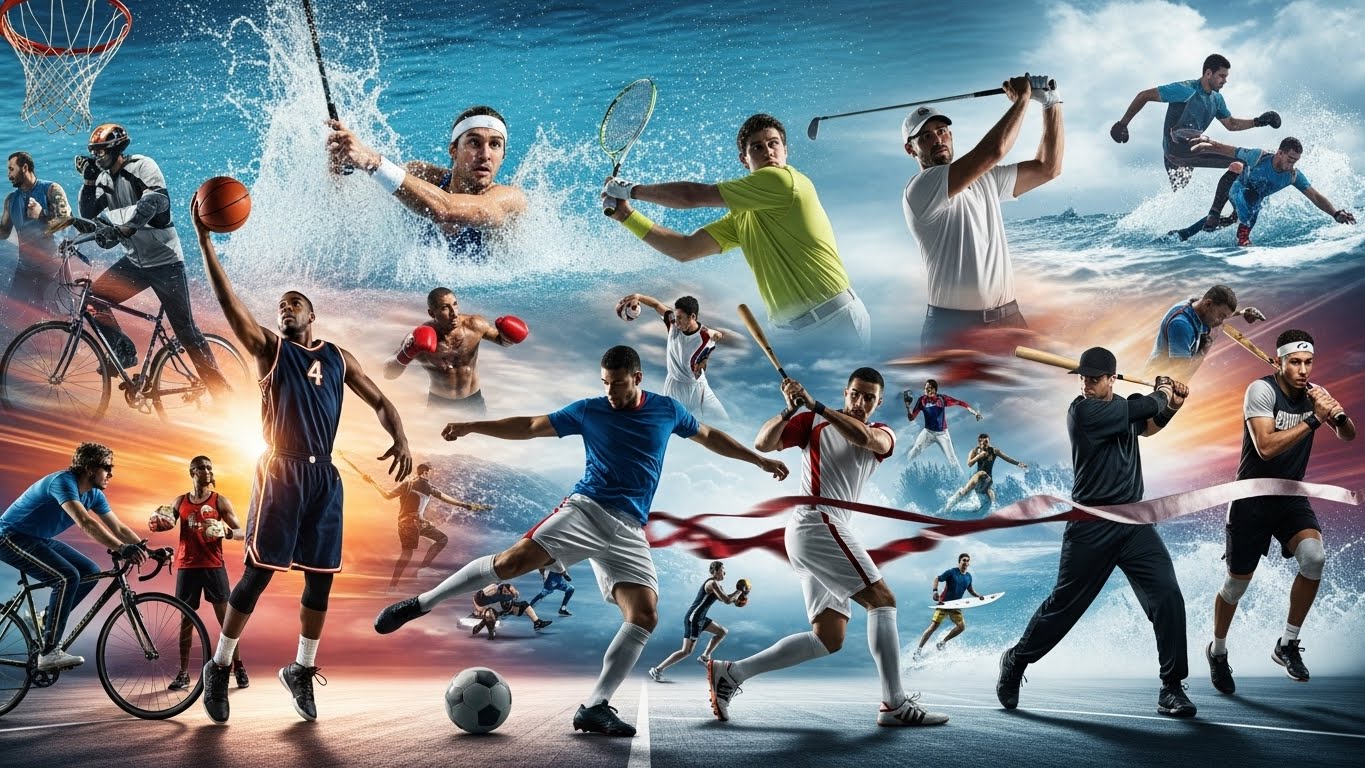
Sports have a universal appeal that transcends nationality, religion, and language. Every country, regardless of size or power, celebrates some form of athletic excellence. A small island nation might dominate in sprinting, while a vast country could produce world-class basketball players or wrestlers. The beauty of sports lies in its inclusivity—anyone, anywhere, can participate or dream of greatness.
Sports embody emotions that everyone can relate to—hope, pride, joy, and sometimes heartbreak. When a team wins a championship, an entire nation feels victorious. When an underdog triumphs against all odds, it becomes a symbol of perseverance and courage. This emotional connection is what makes sports so deeply human.
The Role of Sports in Building Character
Sports are not just about physical competition; they are powerful teachers of life lessons. From a young age, children who engage in sports learn teamwork, discipline, patience, and resilience. They understand that success requires effort, failure is part of growth, and respect for opponents is as important as winning.
In team sports, players learn the importance of collaboration—each individual contributes to a shared goal. In individual sports, athletes face the challenge of self-motivation and mental strength. Both scenarios teach responsibility and self-belief. Coaches, mentors, and sports organizations often emphasize values like honesty, integrity, and sportsmanship. These values extend far beyond the field and into everyday life, shaping good citizens and leaders.
Sports and Global Unity
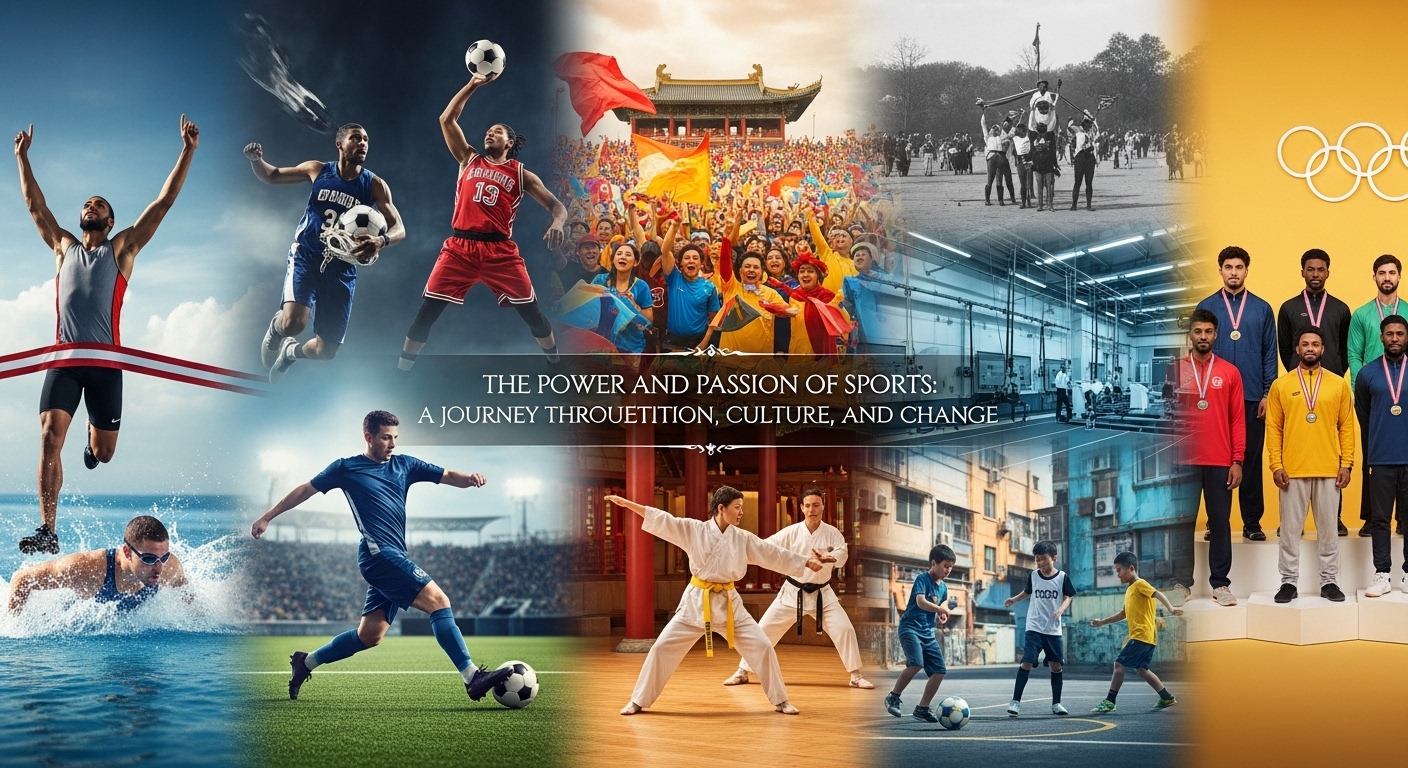
Few things unite the world like sports. When international tournaments take place, millions of people tune in, regardless of language or nationality. The Olympic Games, for instance, bring together over 200 countries, each proudly represented under one peaceful platform.
Similarly, football’s FIFA World Cup is perhaps the most watched sporting event globally. Streets, cafes, and homes come alive with excitement as people from every continent gather to cheer for their favorite teams. In moments like these, cultural and political differences fade away, replaced by shared passion and respect.
Sports diplomacy has also played a key role in easing international tensions. Historical examples include the famous “Ping Pong Diplomacy” between China and the United States in the 1970s, which opened doors for improved relations between the two nations. Such instances prove that sports can achieve what politics sometimes cannot—a sense of mutual understanding and connection.
The Economic Impact of Sports
Sports are not just a source of entertainment; they are also a major global industry. Billions of dollars flow through sponsorships, broadcasting rights, merchandise, and ticket sales. Major events like the Olympics or the Super Bowl generate immense revenue for host countries, boosting tourism, infrastructure, and employment.
Professional athletes today are global icons and often among the highest-paid individuals in the world. Their influence extends beyond the field into fashion, business, and philanthropy. However, this commercialization of sports has also brought challenges—rising costs, corruption, and the pressure of excessive media scrutiny. Balancing business interests with the true spirit of competition remains a constant challenge.
The Role of Technology in Modern Sports
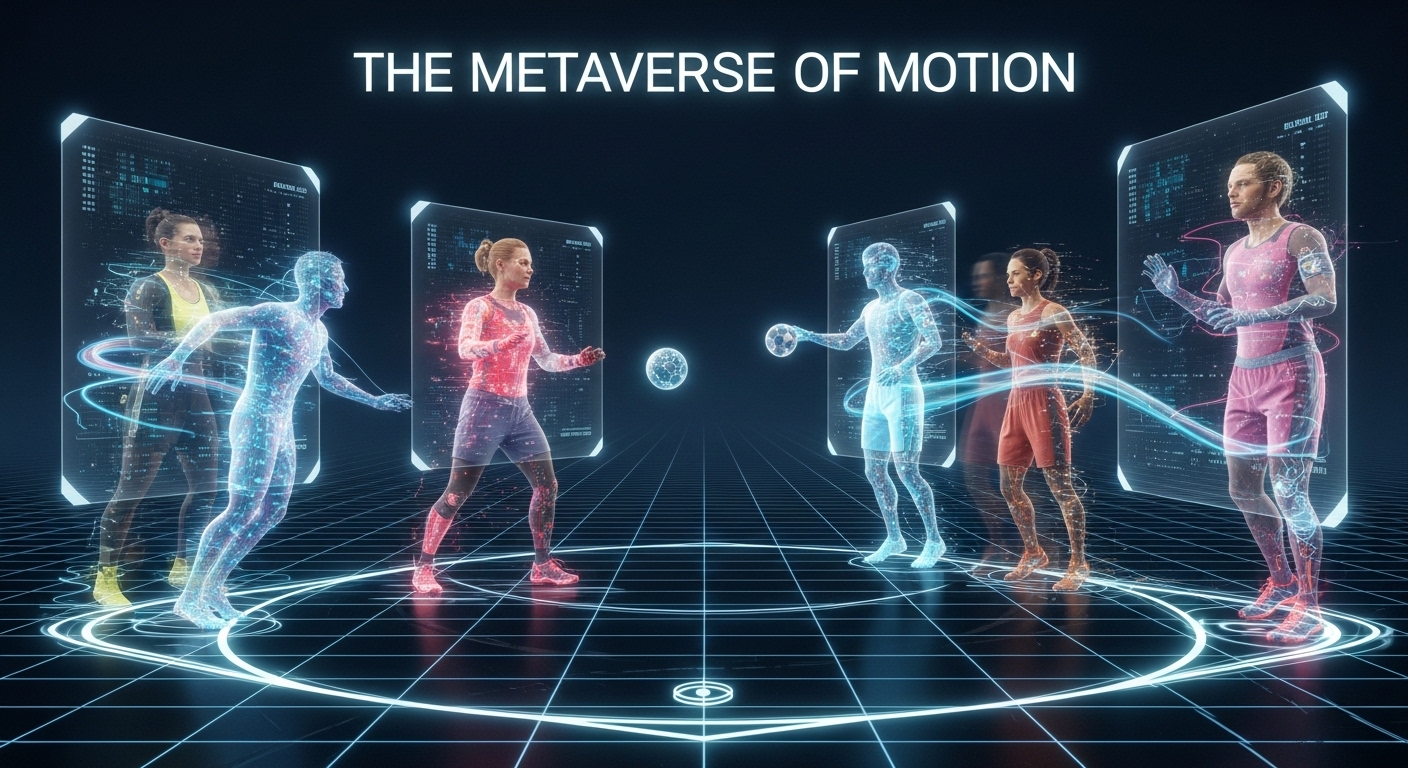
The digital age has revolutionized how sports are played, watched, and analyzed. Technology now plays a crucial role in training, performance analysis, injury prevention, and fan engagement.
Video analysis tools help coaches study player movements in detail, while wearable devices monitor heart rate, stamina, and overall fitness. Referees rely on systems like VAR (Video Assistant Referee) in football and Hawk-Eye in tennis to ensure fairness. Advanced medical technology helps athletes recover from injuries faster, extending their careers and enhancing performance.
Meanwhile, fans have access to live streaming, virtual reality experiences, and social media interactions with their favorite athletes. The relationship between players and supporters has become more personal and interactive than ever before.
The Challenges Facing the World of Sports
Despite its global appeal, sports also face serious challenges. Issues such as doping, match-fixing, corruption, and discrimination continue to harm the integrity of competition. The use of performance-enhancing drugs has led to many scandals, damaging the credibility of sports organizations and the reputations of athletes.
Gender inequality is another persistent issue. Although women’s sports have gained more recognition in recent years, female athletes still face unequal pay, limited opportunities, and less media coverage compared to their male counterparts.
Racism in sports also remains a concern. Incidents of racial abuse toward athletes highlight the need for stronger education, awareness, and disciplinary actions. Organizations and fans must work together to create a more inclusive and respectful sporting culture.
The Psychological Side of Sports
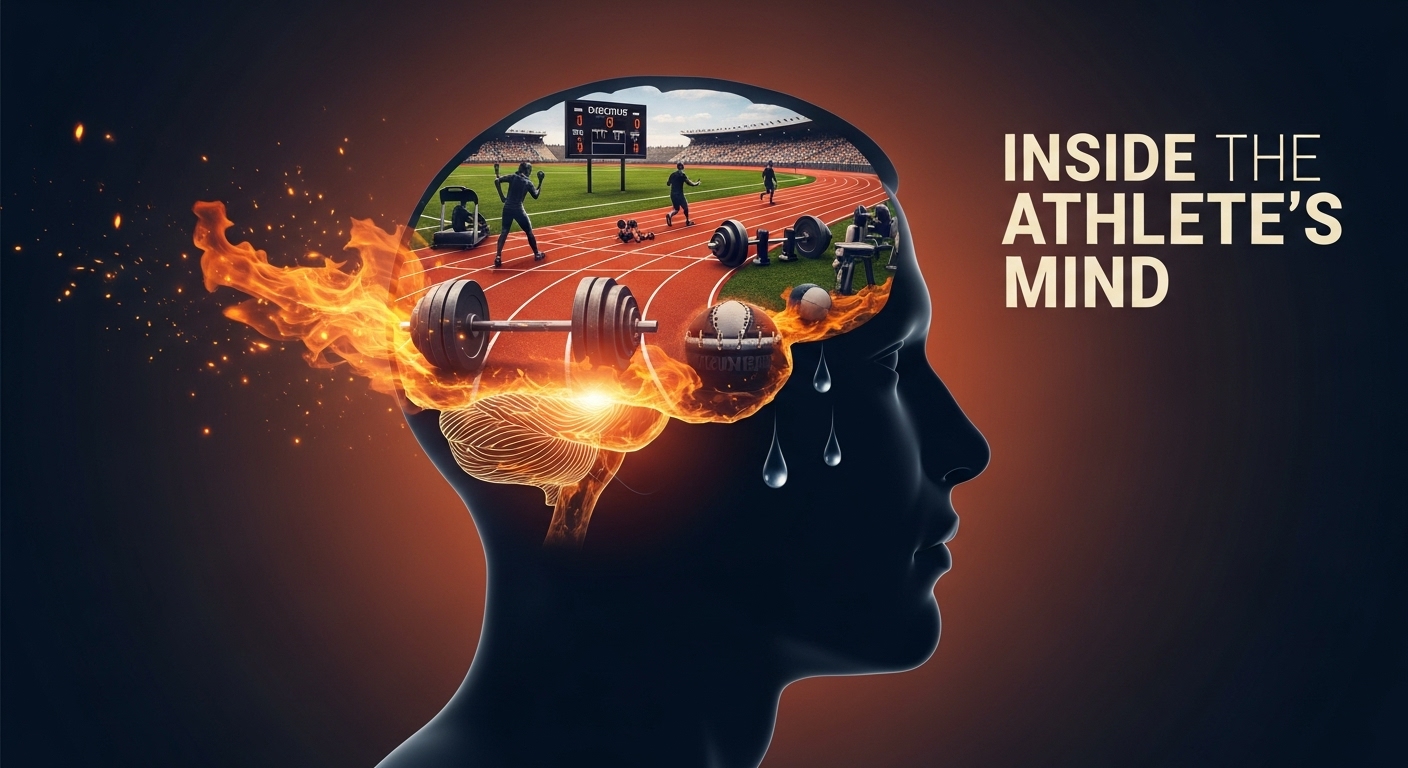
Sports are as much a mental game as they are physical. Athletes face enormous pressure to perform, often under the scrutiny of millions. Mental health has become an increasingly important topic, as athletes open up about anxiety, stress, and burnout.
Many sports teams now employ psychologists and counselors to help players build mental resilience. The focus on mental well-being has become essential, as a healthy mind often leads to better performance. Sports psychology also emphasizes visualization, focus, and emotional control—tools that not only improve athletic results but also enhance personal growth.
Sports and Society
Sports mirror society’s values, struggles, and transformations. They can be a platform for activism and social change. Many athletes use their fame to raise awareness about important causes such as racial justice, gender equality, and environmental protection.
For instance, kneeling during an anthem, wearing symbolic armbands, or speaking out in interviews has become a form of peaceful protest. These actions demonstrate that sports are not isolated from the real world—they are part of the ongoing dialogue about justice and humanity.
Moreover, community-level sports programs bring people together and reduce social divides. In neighborhoods and schools, sports encourage inclusion, friendship, and healthy living. They also help reduce crime and promote education by providing young people with structure and purpose.
The Power of Inspiration in Sports
Every great athlete’s story carries a message of hope. From humble beginnings to world fame, these journeys inspire millions. The story of a runner overcoming poverty, a disabled athlete achieving Olympic gold, or a team winning against all odds reflects the human spirit’s incredible capacity for perseverance.
These stories remind us that success is not just about talent—it is about determination, hard work, and belief. Sports heroes often become role models, teaching future generations to dream big and never give up, no matter the challenges.
The Future of Sports
The future of sports looks exciting yet unpredictable. New technologies, global challenges, and shifting cultural attitudes are reshaping how we play and watch sports. Esports, or competitive video gaming, has emerged as a new frontier, attracting millions of players and viewers. Some argue it is not a “real sport,” but its growing popularity and competitiveness suggest otherwise.
Environmental sustainability is another important focus. Major sporting events now aim to reduce their carbon footprints, promoting eco-friendly venues and practices. The idea of “green sports” will likely define the coming decades as the world becomes more conscious of climate change.
Youth engagement also remains critical. Encouraging participation in physical activities helps combat issues like obesity, sedentary lifestyles, and mental stress. Governments, schools, and organizations are working to make sports more accessible to all, ensuring that the next generation carries forward the same passion and respect for the game.
The Eternal Spirit of Sports
Sports are a celebration of human potential. They capture everything that defines us—our struggles, triumphs, emotions, and dreams. They remind us that effort matters more than results, that teamwork triumphs over individual glory, and that respect for opponents defines true victory.
In every stadium, playground, and training ground, the spirit of sports lives on. It exists in the laughter of children chasing a ball, in the tears of an athlete who gave everything, and in the applause of fans who believe in fair play. Sports unite us as one global family, teaching us lessons that extend beyond boundaries and generations.
As long as humans exist, the love for sports will never fade. It will continue to evolve, inspire, and remind us of our shared humanity. The world may change, but the passion for sports will forever remain a symbol of unity, hope, and endless possibilities.