
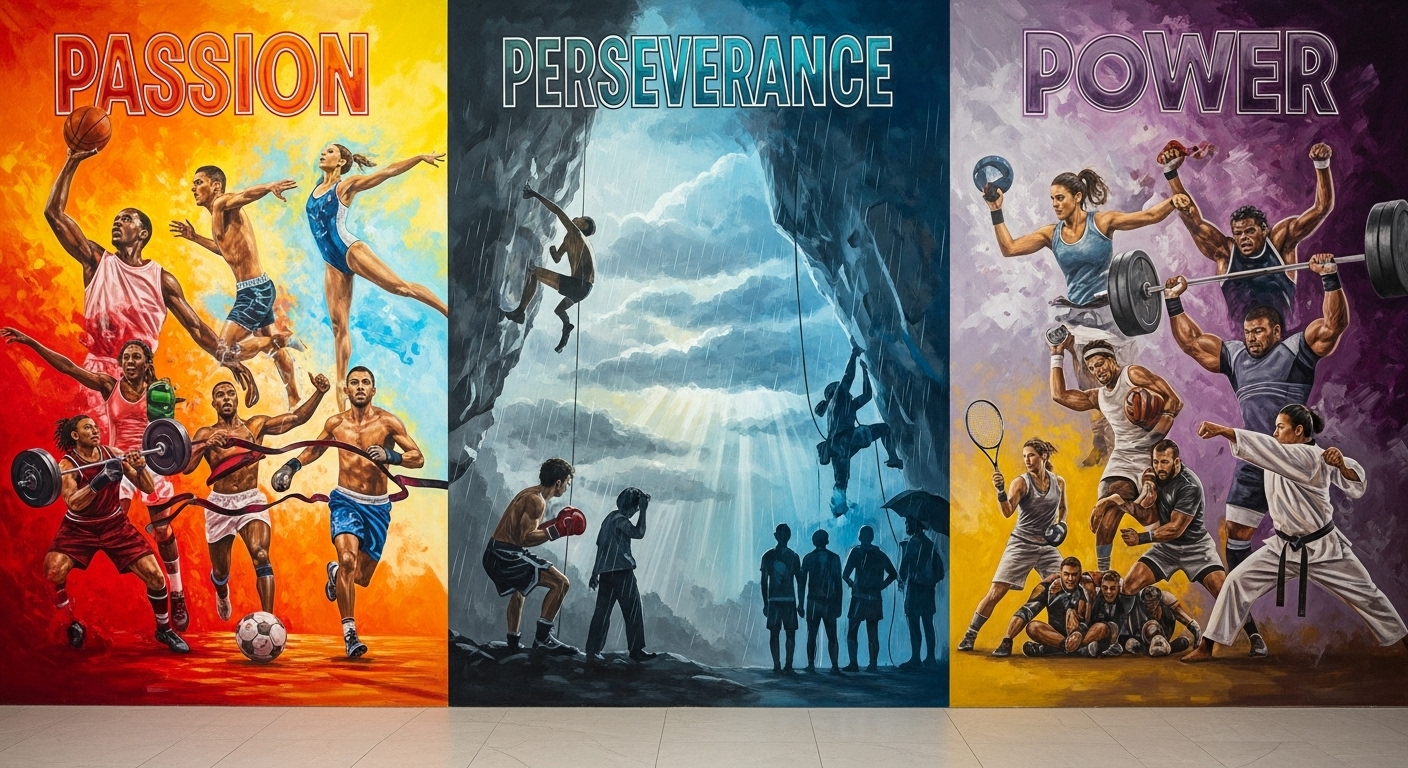
Sports have been an integral part of human civilization for centuries. From the primitive contests of strength and skill in ancient societies to the multi-billion-dollar professional leagues of today, sports have evolved into a universal language that transcends culture, geography, and age. They are more than just games; they are a reflection of society, a medium for personal growth, and a celebration of human potential.
The History of Sports: From Ancient Times to Modern Era
The roots of organized sports trace back thousands of years. Ancient civilizations like the Greeks, Egyptians, and Romans valued physical contests as a means of showcasing strength, discipline, and strategic skill. The Olympic Games, originating in Greece around 776 BC, epitomized the spirit of athletic excellence and unity. These early competitions were not only a display of physical prowess but also a way to honor gods and foster community spirit.
The Roman gladiatorial contests, though brutal, were another form of sports that entertained large audiences and tested the limits of human endurance. Similarly, traditional sports in Asia, such as martial arts in China and sumo wrestling in Japan, combined physical skill with cultural rituals, emphasizing respect, discipline, and heritage. Over time, sports became more structured, with codified rules and organized competitions, laying the foundation for the modern sports industry.
The Role of Sports in Physical Fitness
One of the most obvious benefits of engaging in sports is the enhancement of physical health. Regular participation in sports improves cardiovascular health, strengthens muscles, enhances flexibility, and promotes overall endurance. Sports like football, basketball, and swimming offer full-body workouts, combining aerobic and anaerobic exercise. Even non-contact sports such as tennis or golf can improve coordination, balance, and agility.
Moreover, sports can prevent lifestyle-related diseases such as obesity, diabetes, and heart conditions. Engaging in sports from an early age encourages healthy habits that last a lifetime. Schools, colleges, and community organizations recognize the value of physical activity, promoting sports programs to instill fitness and well-being in younger generations.
Mental Health Benefits of Sports
While the physical advantages of sports are widely acknowledged, their impact on mental health is equally significant. Participation in sports helps reduce stress, anxiety, and depression by releasing endorphins, the body’s natural mood enhancers. Team sports foster social interaction, encouraging communication, cooperation, and a sense of belonging.
Sports also enhance cognitive abilities, including concentration, decision-making, and problem-solving. Athletes learn to stay focused under pressure, strategize effectively, and maintain discipline. These skills are transferable to academic, professional, and personal life, demonstrating how sports contribute to holistic human development.
Popular Sports Around the World
The world of sports is diverse, with each region boasting its unique favorites. Some sports have achieved global popularity, captivating millions of fans.
Football (Soccer)
Football, known as soccer in some countries, is the most popular sport globally. With simple rules and minimal equipment requirements, it has become accessible to people of all ages. Major tournaments like the FIFA World Cup attract billions of viewers, uniting fans from different cultures in celebration of the sport.
Basketball
Originating in the United States, basketball has grown into a global phenomenon. The fast-paced nature of the game, combined with spectacular athletic feats, makes it thrilling to watch and play. Leagues like the NBA have elevated the sport to international fame, inspiring young athletes worldwide.
Cricket
Cricket is more than just a sport in countries like India, Pakistan, and Australia—it is a way of life. With formats ranging from Test matches to T20s, cricket combines patience, skill, and strategy. Iconic tournaments such as the ICC Cricket World Cup and regional leagues like the Indian Premier League have turned cricket into a cultural celebration.
Tennis
Tennis offers a perfect blend of physical agility and mental toughness. Grand Slam tournaments, including Wimbledon and the US Open, showcase the sport’s elegance and competitive spirit. Tennis also allows both individual and doubles formats, providing versatile opportunities for players to excel.
Other Popular Sports
From athletics and swimming to martial arts and volleyball, each sport brings unique challenges and rewards. Adventure sports like rock climbing, surfing, and skiing attract thrill-seekers, while disciplines such as gymnastics and figure skating emphasize artistry and precision.
The Influence of Sports on Society
Sports are more than entertainment; they shape societies, inspire change, and bridge divides. Major sporting events often foster national pride and unity. For instance, when a national team performs well in international competitions, it sparks celebrations that transcend social, economic, and political differences.
Moreover, sports have historically played a role in promoting equality and social justice. Figures like Muhammad Ali, Billie Jean King, and Jackie Robinson not only excelled in their fields but also challenged societal norms, paving the way for future generations. Sports provide a platform to highlight issues such as gender equality, inclusivity, and accessibility.
Sports as a Career
For many, sports are not just a passion but a profession. Becoming a professional athlete requires immense dedication, talent, and perseverance. Athletes often start young, honing skills through rigorous training, competitive leagues, and guidance from experienced coaches. Successful careers in sports extend beyond playing; they include opportunities in coaching, management, commentary, fitness training, and sports medicine.
The commercial aspect of sports has also grown exponentially. Sponsorship deals, merchandising, and media rights have transformed sports into a multi-billion-dollar industry. Athletes today are not only role models but also influential public figures, shaping trends, lifestyles, and even politics.
Women in Sports: Breaking Barriers
The inclusion of women in sports has revolutionized the athletic landscape. Despite historical barriers, women have excelled in numerous disciplines, earning recognition and respect on the global stage. From Serena Williams in tennis to Megan Rapinoe in football, female athletes continue to challenge stereotypes and inspire millions.
Efforts to promote women’s sports include increased media coverage, sponsorship opportunities, and grassroots programs encouraging girls to participate. Celebrating female athletes and their achievements fosters equality and empowers the next generation to pursue their athletic dreams without limitation.
The Role of Technology in Modern Sports
Technology has dramatically transformed sports in recent decades. From performance analytics and wearable fitness trackers to instant replay and virtual reality training, technological advancements have improved accuracy, safety, and fan engagement. Athletes now have access to detailed performance metrics, helping them refine techniques, prevent injuries, and enhance overall performance.
Fans also benefit from technology through live streaming, interactive apps, and social media, creating a more immersive and connected sports experience. Esports, a digital extension of traditional sports, has emerged as a competitive and entertainment powerhouse, attracting millions of viewers worldwide.
Sports and Education: Building Character
Participation in sports complements education by teaching essential life skills. Discipline, time management, teamwork, resilience, and leadership are cultivated through regular training and competition. Schools and universities often emphasize athletic programs, understanding that sports contribute to both physical development and character building.
Furthermore, scholarships and professional pathways provide opportunities for talented athletes to pursue higher education while continuing their athletic careers. This combination ensures a well-rounded development, preparing individuals for challenges both on and off the field.
The Cultural Significance of Sports
Sports are deeply embedded in culture and identity. Local traditions, regional games, and international tournaments celebrate heritage, community, and passion. Sports festivals, such as the Olympics or Asian Games, bring together diverse cultures, promoting understanding, camaraderie, and global unity.
Sports also inspire art, literature, and media. Films, documentaries, and biographies capture the drama, triumphs, and struggles of athletes, reflecting the emotional power and societal impact of sports. Through storytelling, sports transcend boundaries, becoming a shared human experience.
Challenges in the World of Sports
Despite its many benefits, the sports industry faces challenges. Issues such as doping, corruption, inequality, and commercialization threaten the integrity of competitions. Athletes often face immense pressure, both physically and mentally, which can lead to burnout, injuries, and psychological strain.
Addressing these challenges requires a collaborative approach involving governing bodies, coaches, athletes, and fans. Promoting fair play, ethical standards, mental health support, and equal opportunities is essential to preserve the true spirit of sports.
The Future of Sports
The future of sports promises innovation, inclusivity, and global engagement. With advancements in technology, sports will become more data-driven and immersive. Virtual competitions, artificial intelligence coaching, and interactive fan experiences are shaping the next era of athletics.
Moreover, sports will continue to champion social causes, environmental sustainability, and community development. Grassroots programs, global tournaments, and awareness campaigns will ensure that sports remain a powerful force for connection, inspiration, and personal growth.
Conclusion: More Than a Game
Sports are far more than competition—they are a celebration of human potential, a bridge between cultures, and a catalyst for personal and societal growth. They teach us resilience, teamwork, discipline, and the joy of striving for excellence. Whether played professionally or recreationally, sports enrich our lives, challenge our limits, and bring people together in ways few other activities can.
From ancient arenas to modern stadiums, sports continue to inspire generations. They remind us that no matter our background, abilities, or beliefs, the love of the game unites us all. In essence, sports are not just a pastime—they are a testament to the enduring spirit of humanity.