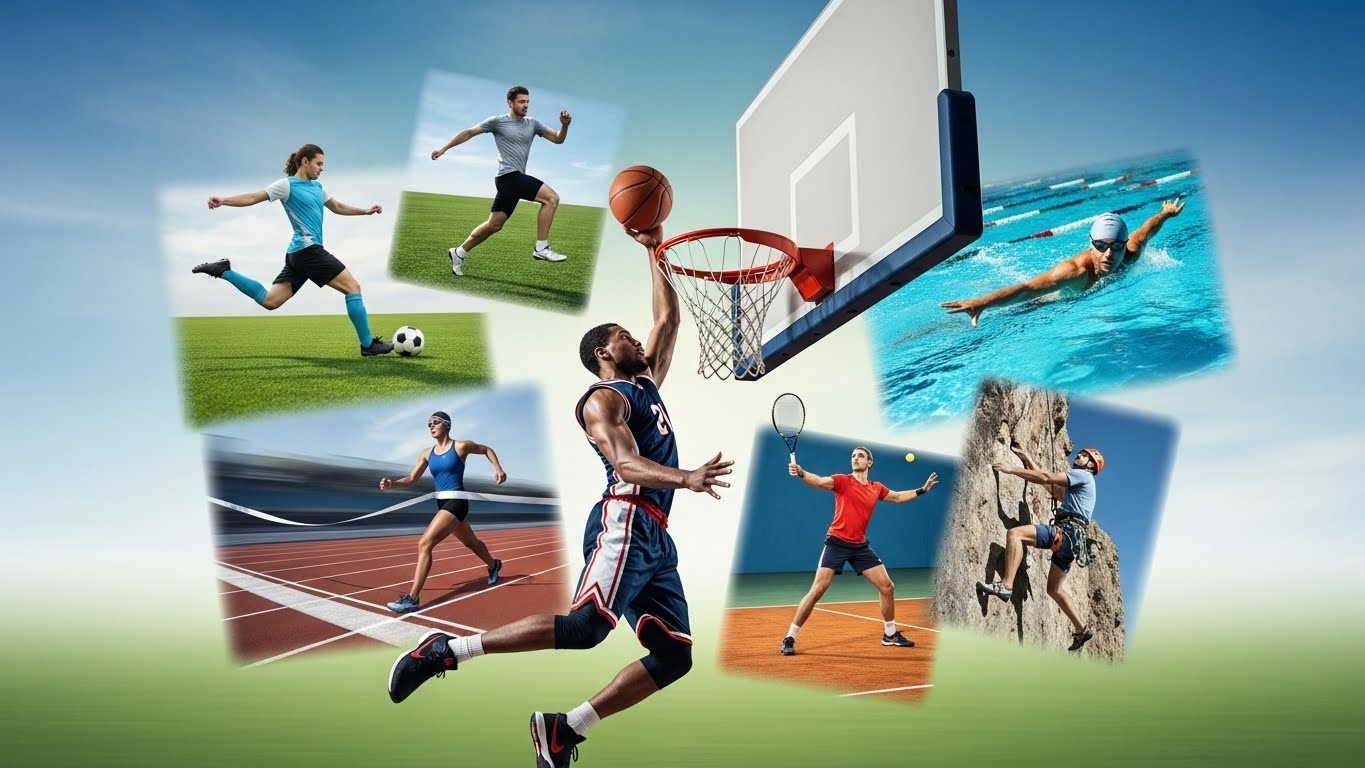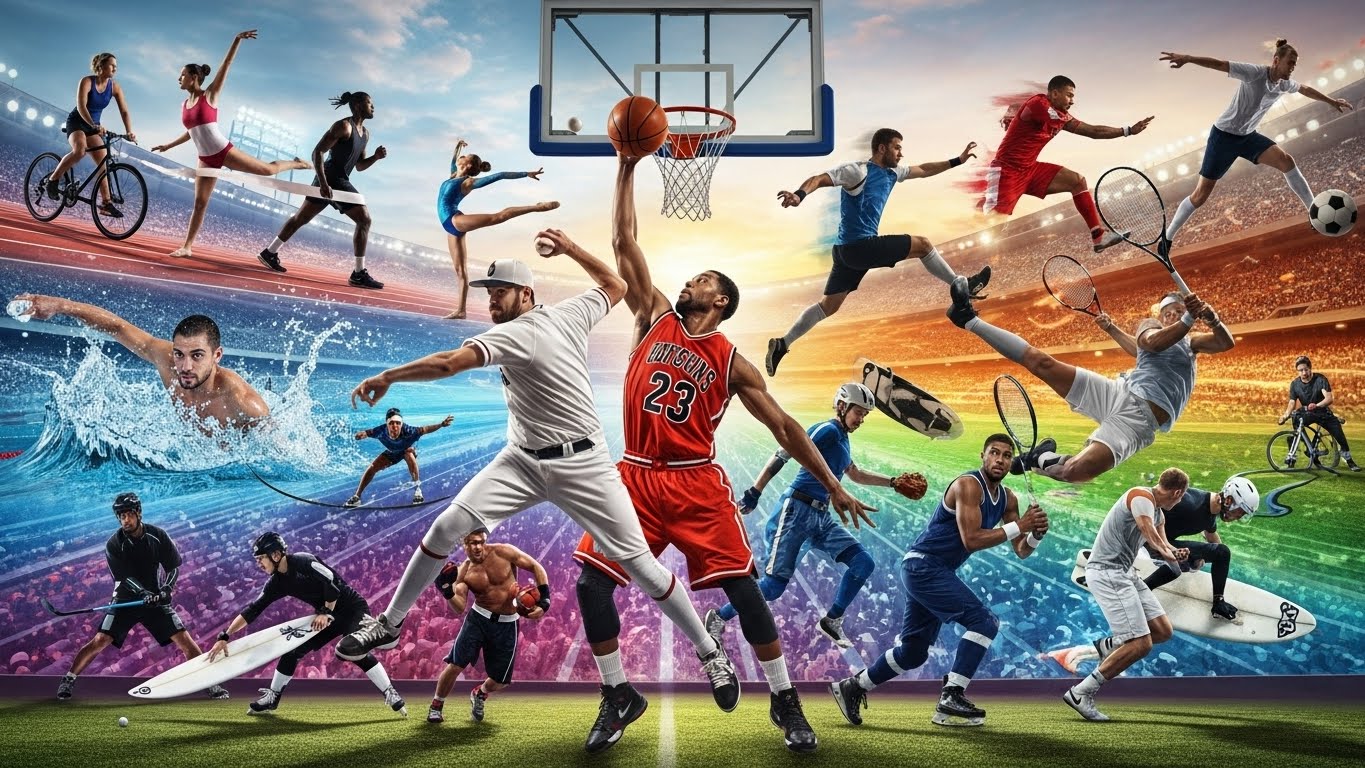
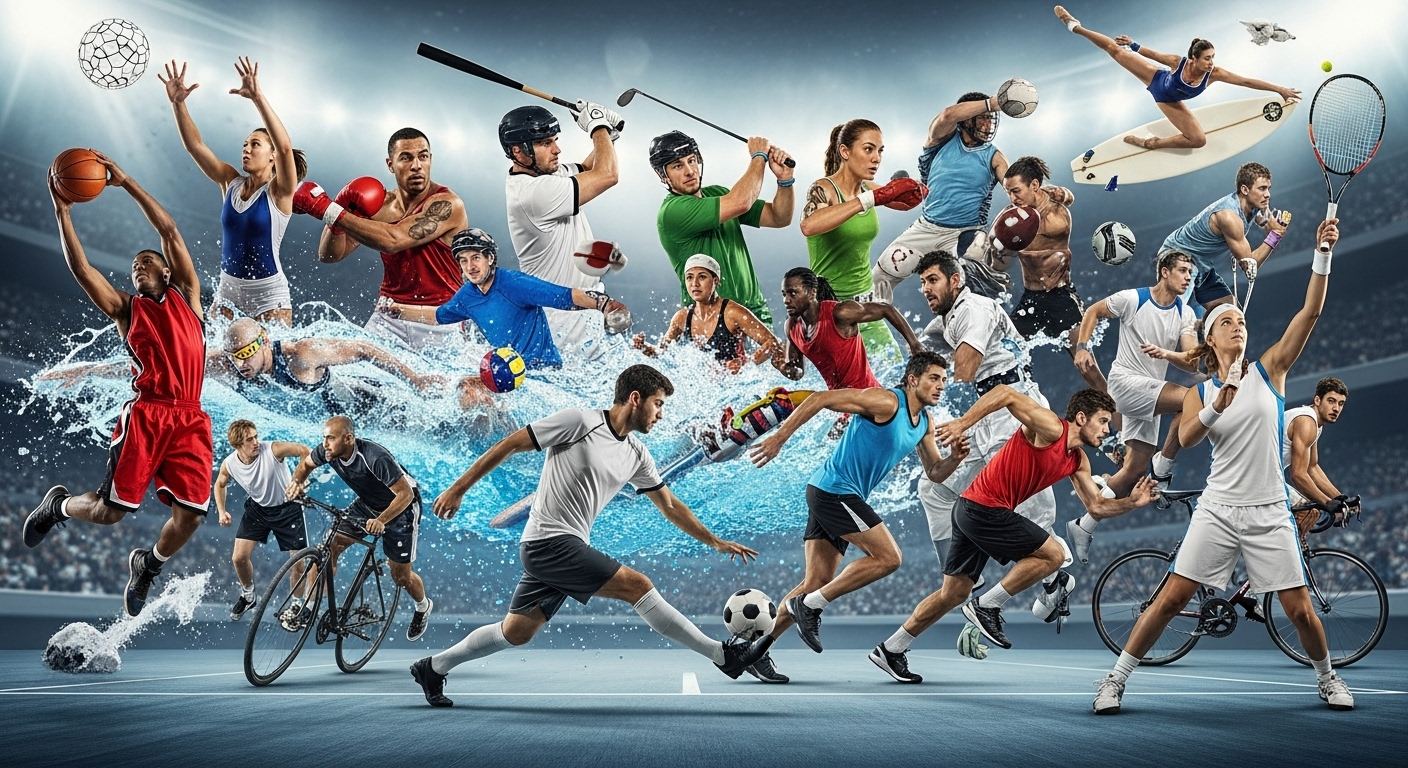
Sports are much more than just games played for entertainment. They are powerful tools for personal development, social cohesion, and cultural expression. Whether it’s the rush of competition, the joy of teamwork, or the lessons learned from defeat, sports have an enduring impact on individuals and communities alike. In this blog post, we’ll explore how sports influence not only physical health but also mental well-being, relationships, and societal growth.
The Role of Sports in Personal Growth
When we think of sports, we often focus on the physical prowess required to compete. However, the benefits extend far beyond the body. Sports are a breeding ground for personal growth, teaching valuable life skills such as discipline, resilience, and time management.
For any athlete, consistency is key. Training for a sport demands a level of discipline that transcends the field. Athletes learn to follow routines, stick to schedules, and push their boundaries. These habits translate directly into other areas of life, such as school or work, where discipline and focus are essential for success.
Moreover, sports teach resilience. Losing a game or facing an injury can be disheartening, but it also offers a powerful lesson in bouncing back. Athletes learn how to handle failure, pick themselves up, and come back stronger. This ability to persevere in the face of challenges is a skill that serves them well in all aspects of life.
Teamwork and Communication: The Social Skills Sports Foster
While individual performance is often in the spotlight, sports also emphasize the importance of teamwork. Whether in a team sport like soccer or a more individual pursuit like tennis, athletes must learn to communicate, cooperate, and support each other. These social skills are not only crucial for success in the game but also for building strong relationships in personal and professional life.
In team sports, each player has a role, and collaboration is essential for victory. This teaches athletes how to be selfless, how to work with others toward a common goal, and how to resolve conflicts effectively. These lessons are vital in the workplace, in families, and in communities, where cooperation is key to achieving shared objectives.
Even in individual sports, athletes rely on coaches, trainers, and teammates for support, feedback, and motivation. The bonds formed through shared effort and struggle create a deep sense of camaraderie that extends far beyond the playing field.
The Psychological Benefits of Sports: Mental Health and Well-Being
While the physical benefits of sports are well-known, their impact on mental health is equally profound. Regular participation in sports has been shown to reduce stress, improve mood, and increase overall mental well-being. Physical activity releases endorphins, which are the body’s natural mood elevators. For many, sports provide an outlet for stress and anxiety, offering a healthy way to release pent-up emotions.
In addition to the immediate mental health benefits, sports help individuals build confidence. As athletes improve their skills, achieve personal bests, and overcome challenges, they experience a sense of accomplishment that boosts their self-esteem. This newfound confidence often carries over into other aspects of their lives, helping them tackle challenges outside of sports with a positive mindset.
Sports as a Bridge Between Cultures
Sports have a unique ability to bring together people from different cultures and backgrounds. International competitions like the Olympics or the World Cup offer a stage for athletes from all over the world to come together and showcase their skills. These events remind us that, despite our differences, we are all united by a shared love of the game.
On a smaller scale, local sports leagues and community games also bring people together. A weekend soccer match or basketball game can create bonds between individuals who might otherwise never interact. Sports create a sense of belonging, providing a space where individuals from diverse backgrounds can come together, share experiences, and celebrate one another’s talents.
Moreover, sports have often been a tool for social change. Athletes have used their platforms to raise awareness about important issues, from racial inequality to gender discrimination. The ability of sports to influence culture and spark social movements makes them much more than just a form of entertainment—they become a vehicle for social progress.
Building Stronger Communities Through Sports
Sports play an integral role in building stronger communities. Local leagues, school teams, and recreational activities provide spaces for people to connect and create lasting friendships. These shared experiences help individuals feel more connected to their community and foster a sense of pride in their collective achievements.
For young people, sports offer a positive outlet for their energy and a chance to develop important life skills. Through youth sports programs, children learn about teamwork, discipline, and leadership, all while staying physically active. These early experiences with sports often shape their future, helping them become responsible, goal-oriented individuals.
In many communities, sports events also serve as gathering points. Local games, tournaments, and charity matches bring people together to support a cause or simply enjoy a day of friendly competition. These events create an opportunity for neighbors to meet one another, share experiences, and strengthen their social fabric.
Sports and the Global Economy
While the personal and social benefits of sports are clear, the global economic impact is also significant. From professional leagues to grassroots programs, the sports industry generates billions of dollars annually. The economic activity surrounding sports includes everything from sponsorship deals and broadcasting rights to the construction of stadiums and the creation of jobs in sports-related industries.
Sports tourism also plays a major role in local economies. Major events like the Super Bowl or the Olympics attract thousands of visitors, creating economic opportunities for cities and countries. Hotels, restaurants, transportation services, and merchandise sales all experience a boost during large-scale sporting events. This ripple effect helps create jobs and stimulates economic growth.
Additionally, the rise of sports as a media spectacle has led to a flourishing entertainment industry. The broadcasting of sports events, from local games to global tournaments, generates huge revenue. As sports continue to be a major driver of cultural and economic activity, their role in shaping the global economy cannot be overstated.
Conclusion: More Than Just a Game
In conclusion, sports are much more than just a form of entertainment or a way to pass the time. They are a powerful tool for personal development, social connection, and cultural exchange. Whether through teaching resilience, fostering teamwork, or promoting mental well-being, sports offer lessons that shape individuals for life. They provide a platform for people to connect with others from different walks of life, creating stronger communities and breaking down societal barriers.
At their core, sports are a reflection of the human experience—filled with challenges, triumphs, setbacks, and victories. By participating in or simply appreciating sports, we are reminded of our shared humanity and the power of physical and emotional connection. In the end, sports are more than just games; they are a lifelong journey of growth, unity, and self-discovery.